June 2, 2016

Avoid Muscle Cramps! PhysioPhyx LPR available at BikeParts.com
June is finally here! Welcoming the summer months also means riding in hotter temperatures. As the weather improves, it makes it easier to increase your mileage and saddle time. Yet, to the unprepared cyclist, riding longer in hotter weather can be counterproductive to training.
Over enthusiastic riders may take on too much, suffer from improper fueling, and maybe even fatigue from not having a properly fit bike or the ideal bike parts for the ride planned. The best approach is to ease into the summer riding months and aim to balance nutrition, hydration, recovery along with the increased mileage and intensity.
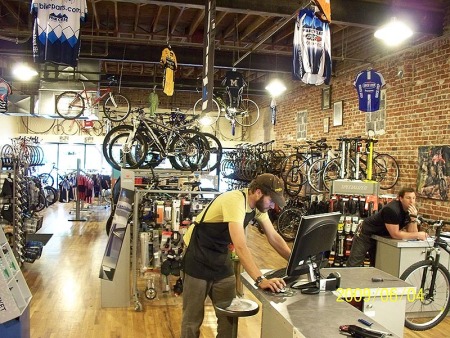
Not sure how to do it? Well, at Peak Cycles Bicycle Shop, we’ve got you covered. Read our favorite posts to optimize recovery, avoid heat stress and unnecessary fatigue, and actually train effectively in the warmer temps.
There are lots of resources online for you to learn about recovery best-practices and get the fuel and equipment you need for adequate recovery. Bikeparts.com has lots of different types of nutritional supplements all in one place as well as bikes, bike parts, cycling accessories, and cycling apparel that can help you with your recovery training. And if you just want to talk to an expert, stop into Peak Cycles in Golden, CO to talk to one of our competitive cyclists. Have fun with your summer training!
 Leave a Comment » |
  Peak Cycles Bicycle Shop | Tagged: bike parts, BikeParts.com, bikes, cycling accessories, cycling apparel, Eat Smart, How to Dial in Your Race Day Nutrition Needs, Keys to a Successful Cycling Race: Think Smart, nutrition, nutritional supplements, On Bike Nutrition: It’s Different for Girls, Our Favorite Nutritional Products to Avoid Muscle Cramps, Why Our New POC Cycling Gear Makes You a Better Rider |
  Permalink
 Posted by staffwriter8
May 26, 2016
 Wondering what to do with your day off this upcoming Memorial Day weekend? Ride, of course! As the cycling season kicks off, there are plenty of casual and competitive cycling activities to do.
Rescheduled from a previous date, the infamous Koppenberg Race leads the weekend actives for competitive road bike athletes. The Koppenberg Race featuring a 17% grade climb and is considered the queen of the spring time cycling events in Colorado. This event jump starts the cycling season with an impressive 5.5 mile road race circuit, with 300ft of elevation gain per lap, and includes 2 miles on a packed dirt road. Join in the fun if you are ready for a lung burning, leg twitching feast! More information can be found here. And, while you’re at it, you can prepare to recover well from this race with our compression gear and nutritional recovery supplements- specifically bars, gels, and recovery drinks. You have to get ready for the next ride, right?
Speaking of next rides, the 2016 – Cafe Velo Gran Fondo is on Sunday. This event starts and finishes in Monument, Colorado at the Pikes Peak Brewery. What’s great about this ride is that you have the option to choose from 1, 2, 3, 4 or up to 5 loops (110 miles, 9110 foot elevation gain) making it a great recovery ride from the Koppenberg Race or a great season starter if you are just now getting back on the bike. The ride covers a scenic 22 mile loop with an 1822 foot elevation gain through scenic Northern El Paso County; so plan according to your level of fitness.
While not local to the Front Range, this weekend also hosts the famous Iron Horse Bicycle Classic in Durango, Colorado. The Iron Horse Bicycle Classic is one of the oldest cycling events in the country (since 1972) and is a multi-event bicycling weekend for cyclists of all levels. Beautiful 10,000-foot mountain passes on the ride or race to Silverton on Saturday. Wonderful Sunday events in downtown Durango including kid races, the costume ride, road circuit race and mountain bike race. Monday completes the weekend with an individual time trial.
You’ll want to visit their website for more information.
If road riding isn’t your thing, consider making the trip to Gunnison, Colorado for The Original Growler endurance mountain bike race. This popular event usually fills up so fast you generally can’t get in to the event. Fortunately, this year’s Sunday’s Full – Growler and Half Growler are still open for registration. Keep in mind, the course takes place in rugged, isolated backcountry terrain. That means, check your bike for the right bike parts, have your hydration pack full, bring your nutritional items, and have all your necessary cycling apparel on hand. Why? Because the event is remote, organizers responding to mechanicals or an injured rider could be time consuming and difficult on this course. Plan accordingly.
Finally, maybe traveling this weekend isn’t your thing. No worries – we’ve got you covered! Check out Our Guide to The Best Bike Trails in Golden, Colorado to create an adventurous day of trail riding. Or spend some time preparing for the upcoming season. Consider performing bike maintenance, schedule a bike fit, or shop for new cycling apparel. We bet Our New POC Cycling Gear Makes You a Better Rider.
Whichever rides or races you opt to do, Happy Memorial Day weekend to you!
Leave a Comment » | Peak Cycles Bicycle Shop | Tagged: bike fit, bike maintenance, bike parts, Cafe Velo Gran Fondo, Colorado, compression gear, cycling apparel, Iron Horse Bicycle Classic, Koppenberg Race, Memorial Day, mountain bike, nutritional recovery supplements, Our Guide to The Best Bike Trails in Golden, road bike, The Original Growler, tubes | Permalink
Posted by staffwriter8
May 19, 2016
 Now that the rain has passed and spring has officially sprung, the roads and mountain bike trails on the Front Range trails are beckoning us to ride them. Anticipating the fresh air and the sun on our faces, it’s easy to get caught up in the experience and forget critical riding safety tips that were all so familiar at the end of last season.
Now is the time to check your bike for spring riding! Do you have a flat that needs changing? Are your brakes working properly? Is your chain lubed? Do you need new bike parts? But wait! It’s not all about the bike, right? Spring is also the time to reacquaint yourself with bike safety, the rules of the road, and proper cycling etiquette. In fact, the most important thing a cyclist can do to ensure bicycle safety is to follow the rules of the road.
To help you start the season off right, Peak Cycles/Bikeparts.com in Collaboration with the Foothills Running and Cycling Club is hosting a League of American Bicyclists Bike Safety Class. The feature presenter will be Golden’s very own Megan Hottman aka “The Cyclist Lawyer“. This is a great opportunity to get caught up on bike safety and the current rules of the road in Colorado. Learn what the laws are for cyclists; how you legally and appropriately ride on public roads; what the rules are for turning, stopping, passing; your rights and obligations; become educated on bike safety, commuting and much, much more! And…it gets even better! On the night of the event, Peak Cycles will be offering a 15% discount for all items, including bikes. Keep in mind, discount excludes already discounted bikes and items.
- When: Thursday, June 16th from 6PM – 9PM
- Where: Peak Cycles, 1224 Washington Ave #145, Golden, CO 80401
- Who’s it for: All cyclist! We will provide you with materials and guidance, as well as the laws and etiquette you need to take to the roads and trails. You will leave feeling more informed, more secure in your rights and obligations as a cyclist, and more confident and comfortable as you embark on your cycling journey.
Join the fun! There will be food, drinks, cycling education, and even bike parts to drool over! Become a street smart, savvy, safe, educated, conscientious cyclist. Register today!
Leave a Comment » | Peak Cycles Bicycle Shop | Tagged: bicycle safety, bike parts, bike safety, BikeParts.com, Foothills Running and Cycling Club, laws are for cyclists, League of American Bicyclists Bike Safety Class, The Cyclist Lawyer | Permalink
Posted by staffwriter8
May 12, 2016

Peak Cycles/Bikeparts.com cyclists enjoy the evening views off Lookout Mountain
Are you new in town? Or maybe you are just getting into mountain biking? If you are in the Golden area, you are in for a treat. We have a broad variety of trails that cater to a range of skill and athletic abilities. The mountain views will take your breath away (as well as some of the hills) and we can guarantee you’ll be coming back for more.
All of Golden’s trails can be found on the City of Golden website. For your convenience, however, we thought we would highlight some of our favorite cycling trails.
Chimney Gulch Trail
Skill Level: Moderate – Advanced
Not too far away from downtown Golden, Chimney Gulch is a visitor and local favorite because it ascends the well-known Golden landmark — Lookout Mountain. Chimney Gulch is mostly an uphill climb which winds through the Golden foothills and emerges at the top of Lookout Mountain. At the summit, you can park your bike to enjoy gorgeous mountain and city overlooks or visit the Lookout Mountain Nature Center and Preserve. And the way down is all downhill!
Apex Trail
Skill Level: Moderate – Advanced
Similar to (but less popular than) the Chimney Gulch Trail, the Apex Trail winds up and up into Golden’s western foothills. For much of the way, the track is surrounded by pine forests, giving you a feeling that you are far away from the bustle of city life. The Chimney Gulch and Apex trails can actually be connected for an extended ride up one and down the other. If you are combining the trails, you may want to consider stopping at Buffalo Bill’s grave at the top of Lookout Mountain.
North and South Table Mountain
Skill Level: Easy – Moderate
Both North and South Table Mountain (located on the east side of Golden) offer a unique mountain biking experience. The flat-top mesa makes for relatively easy cycling, which gives riders the chance to enjoy the open prairie. Both mesas have multiple access points and extensive trails that weave on top and along the side of the mountains, just out of reach of urban Golden. We find that morning and evening light glancing off the prairies make for an especially special ride on these trails.
White Ranch Trail
Skill Level: Moderate
If you are looking for solitude, this is one of your best bets. On the north end of Golden, the White Ranch Park offers a different type of beauty from the rest of town and encompasses meadows, pine forests, views of buttes, and unique rock formations. It has about 20 miles of trails that wind through both rugged and gentle terrain.
Before taking your mountain bike for a spin, it’s important to be prepared. Having plenty of water, food and nutrition, extra tire tubes, and repair kits, as well as the right tires and maps will ensure you have an enjoyable and stress free experience.
If you need a bike, we have a large selection of rental bikes at our store – Peak Cycles in downtown Golden. Don’t hesitate to stop in to ask questions, take a bike for a spin, or peruse our array of bikes, bike parts, cycling accessories, and cycling apparel.
Leave a Comment » | Peak Cycles Bicycle Shop | Tagged: Apex Trail, bike demos, bike parts, bike tire tubes, bike tires, Bike Trail, bikes, Chimney Gulch Trail, cycling accessorites, cycling apparel, food and nutrition, hydration pack, mountain biking, North Table Mountain, peak cycles, rental bikes, South Table Mountain, tire repair kit, trail maps, White Ranch Trail | Permalink
Posted by staffwriter8
May 5, 2016
 We’re excited for what the month of May holds. Do you know why? May is National Bike Month, and that means we get the share the streets with many more cycling aficionados.
If you want to join in the fun, consider leaving your car in the garage and using your bike to commute to work. In fact, we will give you 7 essential gear items to make your bike commute safe, enjoyable, and utilitarian.
- Bike — Choosing a commuter bike will depend on what you are carrying and how far you are traveling. Most people have to haul a load to work, so you are going to want something sturdy with a wide-range of gearing. Many touring and commuter bikes, like this Detroit Bikes A-Type bicycle are already built for towing your luggage. For a little longer ride, you might consider something like this Cinelli Mystic Rats bicycle (on sale!) or even a road bike.
- Helmet — For those who want to get on the bike the next morning, this is a given. We love the POC Octal helmet which is light and comfortable.
- Fenders — If you don’t want to get your cloths wet or muddy, buying fenders is a wise decision. Particularly in May, there are quite a few puddles on the roads that you might have to ride through. Fenders come in all types of shapes and sizes but full coverage fenders are ideal to keep your legs, feet, and butt dry.
- Pump and Repair Kit — While it is unlikely you will have to use a pump or repair kit very often, having them in a pinch could save you from making major excuses to your boss. A full size frame pump will make it easier to pump your tire.
- Panniers, Backpacks, and Racks — People are carrying their things in all kinds of contraptions these days. Most, however, use either a pannier or a backpack. Axiom and Banjo Brothers provide a variety of options included…wait for it…a backpack pannier!
- Lights — When you’re riding on the streets in the morning or evening, a bike light might just be your most valuable item on hand. Essentially, it allows you to be seen by other cars and be alive the rest of the month to bike commute. We recommend a front light that has at least 1000 lumens as well as a couple of tail lights.
- Shoes — Bike shoes help with efficiency. Especially if you are biking a long way, a clipless shoe will keep your foot on the pedal and get you to work faster. One of our favorites that we have in store is the Specialized 2FO Cliplite. This is a good all-around shoe that has a stiff sole for efficiency but can easily be walked in off the bike.
For more gear, don’t hesitate to visit our website or stop into our store – Peak Cycles in Golden, Colorado. We have tons of advice, as well as bikes, bike parts, cycling accessories, and cycling apparel.
1 Comment | Peak Cycles Bicycle Shop | Tagged: bike commuting, bike fenders, bike helmet, bike lights, bike month, bike pannier, bike parts, bike pump, bike rack, bike shoes, bikes, cinelli mystic rats, cycling accessories, cycling apparel, detroit bikes a-type, National Bike Month, peak cycles, poc octal helmet, repair kit, road bike, specialized 2fo cliplite | Permalink
Posted by staffwriter8
April 28, 2016
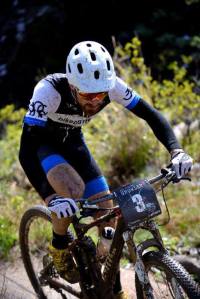 It’s inevitable, if you are riding your bike on trails in the spring you are going to hit mud. But a muddy trail shouldn’t be the doom of your ride. Knowing how to prepare for and ride in muddy conditions will help you be a successful wet-weather cyclist.
Preparation
Start by doing your research before a ride to get a sense of what the trails will look like. Ask a friend who has ridden recently, read online forums or social media updates, or scope out the trail yourself (this is especially important if you are racing on a potentially muddy course).
Know which bikes, bike parts, cycling accessories, and cycling apparel are appropriate for the trail and weather conditions. Some important considerations include:
- Extra Wheels — Cyclists will often have multiple sets of wheels in preparation for mud and grime. Riding in poor conditions can be disastrous to your bike! It’s not fun to have to deal with broken spokes, loose skewers, and cemented mud, especially while racing. If you have a set of wheels in the pit, you can make a change and be underway pretty quickly.
- Tires with Traction — Choosing the right tires really hinges on you doing your homework before your ride. Really muddy conditions sometimes warrant extra grippy bike tires with aggressive edges and sticky rubber. But these kinds of tires usually also add some extra weight. For less severe wet-weather conditions, you might want to choose something a little less aggressive. If you’re unsure about which tire is best for your upcoming event, stop by Peak Cycles Bicycle Shop and we’ll help you dial it in.
- Chain Lube — As on any ride, taking care of your drive chain is one of the most important considerations for your bike. Using a wet lubricant during soggy and muddy conditions is ideal because it is thick enough to stay on the chain and thin enough to penetrate all of the small moving parts.
- Wet-Weather Apparel — If mud is on the ground, then there is a chance that you might face wet weather on your ride. Keeping warm and staying dry, especially in a race, is key. Layering with base layers and jackets that won’t absorb water is your best option.
Knowledge
Now that you have your bikes, bike parts, cycling accessories, and cycling apparel in gear, you should make sure that you know how to ride in mud. During your ride or race, mud threatens to slow you down or topple you over. Your ability to (1) select a good line and (2) pedal smoothly through mud will likely keep you moving and maybe even give you an edge over other riders. See Bike Radar’s article, “Technique: Winter Skills — Mud Master” for more tips.
Cleaning
After your bike ride, it’s very important to TAKE CARE OF YOUR BIKE. If you like your bike and want to keep it for a while, giving it a good cleaning is of upmost importance. This doesn’t have to be a laborious process but we recommend being thorough. Grab a good brush and do some scrubbing. See How To Clean Your Mountain Bike in 10 Easy Steps from Singletracks for a more thorough explanation.
For more information, or to get a bike check-up after a sloppy ride, stop into our store – Peak Cycles in Golden, Colorado. We have tons of advice, as well as bikes, bike parts, cycling accessories, and cycling apparel.
Leave a Comment » | Peak Cycles Bicycle Shop | Tagged: base layers, bike apparel, bike jackets, bike parts, bike tires, bike wheels, bikes, chain lube, cycling accessories, cycling apparel, cycling preperation, cycling training, muddy conditions, muddy cycling, wet-weather cycling | Permalink
Posted by staffwriter8
April 21, 2016
 There are so many things to pay attention to in order to prepare for a race. As a competitive cyclist, you have to be savvy in a number of different key areas such as cycling nutrition, bike maintenance, repairing or replacing bike parts, and knowing how to use various cycling accessories such as power meters and heart rate monitors to maximize performance.
If you also have a full-time job, it’s a lot to think about! In this article, we’re going to help take the load off your mind by focusing on a very specific aspect of race prep – eating before, during and after a race. Hopeful you can glean some useful information for you upcoming competition.
Keep in mind that eating changes depending on the distance and intensity of your race/workout. Not all suggestions may apply.
Before:
We typically find lots of articles that talk about what you should eat after a race, but not as many about what you should eat before. The key is, if you are already eating healthy and balanced meals, you probably don’t have to change much before a race.
One thing you want to make sure you are including in your pre-race diet the night before a race are carbohydrates. Carbs store glycogen in your muscles, which will be burned during the race the next day. Foods like pasta, breads, and rice are carb-heavy that could be on your dinner plate. Try to keep protein dense foods at a minimum.
If you have a long or particularly intense race the next day, you can do what’s called “carb-loading.” Cycling Tips explains that carb-loading typically takes place 2 days before your race. Male athletes can typically store about 1,500 to 1,900 calories of carbs in the blood, liver and muscles combined. And after two hours of exercise, glycogen levels will be depleted. Cycling Tips recommends eating 10 grams of carbs per kg of body weight daily in the two days before the race.
During:
There is no formula that stipulates how much you should eat during a race because different body types and habits cause athletes to have different eating patterns. Some of the variables that determine how much athletes should eat include: lean body mass, metabolic efficiency, intensity, race distance, and environmental conditions.
CoachLevi.com offers some valuable insights into what cyclists might eat during rides at varying distances and intensity.
If you feel that you should be eating differently, here are some questions from Training Peaks that guide your eating habits:
Do you find that you have enough energy for your workouts and races?
- You should finish strong but spent, not crawling home or hitching a ride!
- Eat more often if you bonk!
Do you ever get “grumpy” during a long session?
- If so, you likely aren’t consuming enough carbohydrates.
Do you experiencing GI distress?
- You might be consuming too much or need to combine different sources of carbohydrate (i.e., glucose, fructose, sucrose, maltodextrin).
- You can try fewer calories or read labels to find products made with multiple carbohydrate sources and try different brands of products.
- You might also work on metabolic efficiency to see if you can reduce the number of calories you need.
Do you seem to be able to eat whatever you want, even when the intensity is high?
- No reason to back off if it is working for you!
After:
Right after a race you want to digest simple carbohydrates such as bananas, a bagel, or maybe even a slice of pizza. These things are often offered at the end of a race. Eating caloric-dense foods will restore your glycogen levels in your liver and muscles and getting some protein will help your muscles recover.
Stay away from the really fatty foods and foods high in protein. We know that some of you may be craving potato chips and whole pizzas, but its not the best thing for you.
See the article, “Maximize Your Post Race Recovery“ from Training Peaks for more information.
For more information, don’t hesitate to visit our website or stop into our store – Peak Cycles in Golden, Colorado. We have tons of advice, as well as bikes, bike parts, cycling accessories, and cycling apparel.
1 Comment | Peak Cycles Bicycle Shop | Tagged: bike maintenance, bike parts, bikes, cycling accessories, cycling apparel, cycling nutrition, cycling tips, eating smart, heart rate monitors, peak cycles, power meters, race nutrition, training peaks | Permalink
Posted by staffwriter8
April 14, 2016
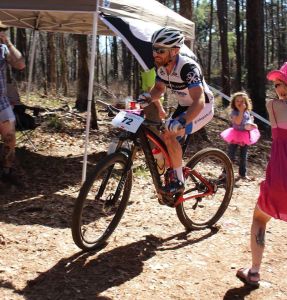 For those of you preparing for endurance trail races, we know that you are getting ready to ride long, get dirty, and have the time of your life. And while some you may have trained through the winter months, many have not. So we warn you winter sofa spuds that the alluring call of gorgeous spring days will tantalize you to ride too hard, too fast. This could lead to injuries, poor performances, and an overall unhappy 2016 cycling season.
Here are some ways not to meet that unfortunately end:
Endurance trail cyclists are on the cusp of some of the most favored mountain bike races in Colorado and the American west — races like Rocky Mountain Endurance Series, Thaw Massacre, 18 Hours of Fruita, Desert RATS Classic, 12 Hours of Mesa Verde, and The Half/Original Growler. And being success in these races requires you to closely monitor early season training.
Key points to keep in mind include training intensity, duration, and frequency. There are coaches and coaching plans to assist with specific and customized training. Or, you can create your own training program.
Regardless of your approach, for precise bio feedback to align your training plan, you’ll need to use cycling accessories available to you – such as power meters, GPS computers, and/or heart rate monitors. Early season training lends itself to “false” feedback. Meaning, because you may be fresh, your perceived effort on the bike may be low causing you to push too hard, too soon. As a result, your training suffers later due to increased recovery time or even injury. By monitoring your efforts with specific data, you objectively know when you are pushing beyond your targeted indictors, as well as when you aren’t pushing hard enough. This allows your body to adjust to increased training load over time and in a manner that meets your 2016 cycling season goals.
Now, just because you can’t go all-out in your early training, doesn’t mean that you can’t build the mental toughness and focus that you will need during an endurance race. As described in the post, Developing Mental Toughness: Are you Tough Enough?, “mental toughness is your ability to persevere in the face of challenges, to keep going even when things get hard, and to have an unrelenting commitment to your goals. When you develop your mental toughness, obstacles are only temporary and one bad performance doesn’t shake your belief in your ability.”
For more information, don’t hesitate to visit our website or stop into our store – Peak Cycles in Golden, Colorado. We have tons of advice, as well as bikes, bike parts, cycling accessories, and cycling apparel.
Leave a Comment » | Peak Cycles Bicycle Shop | Tagged: 100 mile endurance mountain bike races, 12 Hours of Mesa Verde, 18 Hours of Fruita, bike parts, bikes, cycling accessories, cycling apparel, Desert RATS Classic, Developing Mental Toughness: Are you Tough Enough?, endurance bike races, endurance cycling, Endurance Trail Cyclists, endurance trail races, GPS computers, heart rate monitors, peak cycles, power meters, Rocky Mountain Endurance Series, Thaw Massacre, The Half/Original Growler, training program | Permalink
Posted by staffwriter8
April 7, 2016
Joshua Murdock (Peak Cycles/bikeparts.com team cyclist) climbing Old Three Mile Highway in Linnville, North Carolina.
When spring comes around every year, the temptation for many cyclists is to jump into race training with all the intensity, determination, and vigor they can muster. While these are positive mentalities to have, its important that competitive bicyclists not let their excitement for spring training cause them to overwork themselves. One of the key stages of training where this takes places is cycling recovery.
While it may not always seem like it, a recovery ride is just as important to a cyclist’s race training as a workout. Together, recovery and workouts are the ‘yin and yang’ that balances a riders preparation and optimizes performance. Three key areas of recovery to pay attention to include post-workout recovery, post-race recovery, and balanced nutrition.
Post-Workout Recovery
One of the easiest ways to undermine training is to ride too hard during a recovery ride. The article, “7 Ways to Nail Your Recovery Rides” from Bicycling Magazine explains this well –
When you train hard you do damage—that’s part of the plan. Your workout breaks down your muscle, empties out your fuel stores, and generally taxes your metabolism above and beyond its status quo. When you recover, your body repairs the damage so you can come back stronger and ready for more. If you skip the recovery part, you’re cheating yourself out of the maximum return on your hard work.
Even though it seems counter intuitive, recovery rides should feel easy! Here are some ways to ensure that you are getting a proper recovery:
- Ride by yourself. You won’t be tempted to keep up with anyone else.
- Pull out the beater bike. If you have an older bike, you can spin easy and not be tempted to go faster.
- Get casual. Wear cloths that will make you feel like you’re just out for a cycling stroll
- Use a bike computer. Let your gadgets tell you if you are going too fast
Post-Race Recovery
Races are often the hardest workout cyclists will do. They redline for longer periods of time than their training workouts and expend more energy. As a result, the mind sends signals to the body that aren’t always what the body needs – such as exclusively eating junk food and sitting on the sofa for the rest of the day. The article, “Maximize Your Post Race Recovery“ from Training Peaks offers some ways that you can recover more quickly from a race:
- Right after the race, eat simple carbohydrates. Go for that orange slice, banana, and slice of pizza offered at the race.
- Supplement your post-race pizza and beer with other nutritional and caloric dense foods. Getting some protein will help your muscles recover (high protein intake is not good post-race, however) and caloric-dense foods restore glycogen levels in your liver and muscles.
- Stay away from really fatty foods and foods that are high in protein.
- Hydrate, hydrate, hydrate!
- Get your feet up after the race. Yes, we’re giving you permission to chill and get off of your feet. This is best if done right after you are off the bike.
- Take a walk later that day. Getting up on your feet and moving around a while after the race helps speed the recovery process.
There are lots of resources online for you to learn about recovery best-practices and get the fuel and equipment you need for adequate recovery. bikeparts.com has lots of different types of nutritional supplements all in one place as well as bikes, bike parts, cycling accessories, and cycling apparel that can help you with your recovery training. And if you just want to talk to an expert, stop into Peak Cycles in Golden, CO to talk to one of our competitive cyclists. Have fun with your Spring Training!
1 Comment | Peak Cycles Bicycle Shop | Tagged: bike computer, bike parts, bikes, cycling accessories, cycling apparel, cycling nutrition, Cycling recovery, cycling training, early season training, nutrition, nutritional supplements, peak cycles, post-race recovery, post-workout recovery, spring training | Permalink
Posted by staffwriter8
March 31, 2016
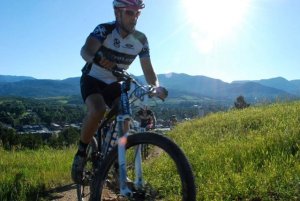 You know that dark place in the garage where you never go? You know, the area where all the spiders hang out and no human dares approach for months on end. Well, we are aware that some of you store your bike there over the winter months. But now that spring is here and the roads are clear, you’re going to have to find some courage and release your bike from its dungeon; It’s ready to be ridden.
Before you mount your neglected steed, however, you should conduct a bike maintenance and safety check. Here are some steps that you can follow to make sure your bike are in tip-top shape for the spring cycling season:
- Clean Your Bike: Chances are that if your bike has been sitting in the garage for a while, it has accumulated some dust. Dust somehow finds its way into all of the secret nooks and crannies that often don’t see the light of day, so being thorough and methodical in the way that you clean your bike is to your advantage. Grab a rag, a brush, and a biodegradable cleaner and clean everything — the frame, chain, chain rings, cassette, derailleurs, pedals, brakes, and seat.
- Paying Attention to Your Chain: When you are cleaning your bike, you are going to eventually get to your chain and cassette. You will want to pay extra attention to these as they are essential for making your bike go. For an easy clean, scrub your chain and cassette with a brush and eco-friendly degreaser and re-lubricate the chain when you are done. For something more thorough, you could buy a chain cleaner like Park Tool’s Cyclone Chain Scrubber, fill it with a non-aerosol degreaser like Pedros Oranj Peelz, turn your crank 15-20 revolutions and let your scrubber do the job for you.
- Check your Wheels and Tires: Both your wheels and tires are essential for bike safety and efficiency and are important to inspect before jumping on the saddle. Clean the wheels with rubbing alcohol and dry with a cloth. Check the rims for damage and examine for loose spokes. Your wheel should run smoothly without any side-to-side wobble.
- Inspect Your Brakes: When your shredding down a long, winding road or a steep trail grade, what’s going to stop you? Your brakes! Bike brakes use brake pads to stop your wheels from turing. Brake pads wear down over time so you should examine your brake pads for any uneven or extensive wear. If you do find uneven abrasions, you probably need to get your brakes adjusted.
Some basic bike tools that you’ll want to have include:
If you are interested in learning more about how you can maintain your bike, we’d be happy to share information with you. And all the bikes, bike parts , cycling accessories, and cycling apparel you’ll need can be found on our website – bikeparts.com. We also highly recommend that you get a tune-up by a professional before taking it out on serious rides. Call or stop in to Peak Cycles in Golden, CO to schedule your bike for a full tune-up. We encourage you to think ahead because we get a large influx of bike tune-up requests in the spring.
1 Comment | Peak Cycles Bicycle Shop | Tagged: bike cleaning, bike maintenance, bike parts, BikeParts.com, bikes, bio, biodegradable cleaner, cycling accessories, cycling apparel, eco-friendly degreaser, Park Tool Cyclone Chain Scrubber, Pedros Oranj Peelz, spring cycling | Permalink
Posted by staffwriter8
March 24, 2016
 The introduction of POC Sports’ 2016 line of cycling gear turned some heads in the biking community. New designs and innovations make the gear an attractive choice for cycling accessories and can even make you a better rider.
Aside from the sleek style, the integration of new technology and compatibility adds a new-age touch to POC’s elegant design. For example, Separate components of the new 2016 line are designed to work together to make a more enjoyable and hassle-free cycling experience.
The POC Do Blade sunglasses – light-weight, flexible, and durable – are designed to be used in tandem with the POC Octal Road Helmet. Along with the sensitive lenses designed to increase contrasts on the road surface, the POC Do Blade sunglasses optimize airflow, aerodynamics, anti-fog, and comfort when worn with the Octal Helmet.
Similarly, both the Octal helmet and the POC Tectal mountain bike helmet provide high levels of protection with reinforced EPS liners and unibody shell construction without compromising their low weight and ventilation features. As far as we’re concerned, there is a reason why pros like UCI ProTeam Trek–Segafredo team member Ryder Hesjedal are wearing this POC gear combination.
POC also uses MIPS technology in some of its helmets. MIPS stands for Multi-directional Impact Protection System and is essentially a brain protection system which allows for the helmet to slide relative to the head when a head strikes the ground at an angle (which happens in most falls). The POC Trabec Race MIPS helmet uses this technology, which also improves the life the helmet.
At Peak Cycles, we have just received all this POC gear and more. If you would like to learn more, or see hundreds of other types of bikes, bike parts, cycling accessories, and cycling apparel don’t hesitate to stop into our store or visit bikeparts.com
Leave a Comment » | Peak Cycles Bicycle Shop | Tagged: bieks, bike helments, bike parts, bike sunglasses, cycling accessories, cycling apparel, MIPS Technology, POC Do Blad Sunglasses, POC Octal Road Helmet, POC Sports Cycling Gear, POC Tectal helmet, POC Trabec Race MIPS Helmet | Permalink
Posted by staffwriter8
March 17, 2016
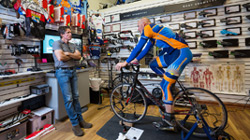 When you get sized for a bike in a bike shop, most people generally think, “will I need a small, medium, or large frame?” But the reality is that there is much more to a bike fit than the size of a frame. Even if you have had your bike for a long time, you might not actually “fit” your bike.
Bikes come in all sizes and shapes, and are endless bike parts and cycling accessories that can be added or swapped to make bikes a better fit for you. When considering a bike that will actually fit you, most bike experts consider things like frame size, frame dimensions, saddle height, top tube and stem dimensions, knee and cleat position, handle bar size, crank length and body angle. While each of these things are important, they don’t cover a complete bike fit.
At Peak Cycles, we believe that there is much more to fitting a cyclist to his/her bicycle than just the physical dimensions of a bike. Each cyclist has a different history, experience, comfort level, and goal on the bike; each of these variables are important to the bike-fit process.
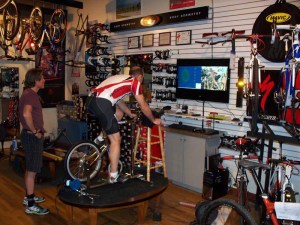
George Mullen runs our fit studio at Peak Cycles and, through his experience, he has learned that understanding the athlete’s needs are by far the most important component in the fit. With over fifteen years of fitting experience, over 3000 fits, certifications from Serotta Elements™ and Serotta Advanced Fit™ courses as well as Specialized™ Body Geometry fit school, George has learned that simple but significant questions like these drive a proper fit:
- What are your body’s dimensions? Are you long in the inseam or long in the torso?
- What is your injury history?
- What does your flexibility look like?
- What is your sustainable core strength like?
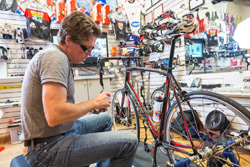
These questions help channel an understanding of your body type, experience, ability level, and past riding technique to inform a more complete fit using an eleven element functional movement screen. This 3-dimentional assessment covers things like:
- Detailed personal profile interview (cycling history, injuries, nagging pains, goals, etc.)
- Functional movement screen (in-depth body flexibility testing and assessment)
- Pre-fit assessment of your current riding position on your bike
- XYZ plane adjustments (X=horizontal/length reach adjustment, Y=vertical/height seat adjustment, Z=frontal area adjustment)
- Pedal/cleat adjustment(includes verus/valgus cleat shimming as necessary for pedaling alignment)
We also have a new Chamois fit system, which matches the right chamois size with the right bib size (again small, medium, and large doesn’t usually cut it). If you would like to learn more about how you can get a complete and proper bike fit, please stop into Peak Cycles and ask.
1 Comment | Peak Cycles Bicycle Shop | Tagged: bike fit, bike fit expert, bike fit studio, bike frame, bike parts, bikes, Body Geometry Bike Fit, cycling accessories, fit consult, peak cycles bike shop, Serotta Advanced Fit, Serotta Elements, Specialized BG fit school | Permalink
Posted by staffwriter8
March 10, 2016
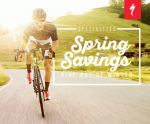
If you are a cyclist, you don’t just own a bike. At a minimum, you have a helmet, bike pump, and water bottle; you might also own bike shoes, bike gloves, various sets of tires, bike tools, bike lights…the list goes on! The fact is that keeping yourself and your bike in tip-top riding condition throughout the year requires the use of various bike parts, cycling accessories, and cycling apparel. And that can get expensive.
But taking advantage of yearly sales like our Spring Savings event throughout March eases the cost burden. Here are some of our favorite cycling accessories that are marked off between 35-45%.
Specialized Ambush and Airnet Helmets
These are both simple and stylish helmets that modestly boast a lightweight and ventilated structure. The Specialized Ambush has the support and durability for anything from easy-going trail rides to enduro races, and the Specialized Airnet has ultra-light and cooling technology for any type of road adventure.
Specialized Men’s Comp MTB and Women’s Motodiva Bike Shoes
Both shoes offer an all-mountain experience that is hard to compete with. They have a stiff sole that improves efficiency when pedaling and SlipNot™ rubber outsole for traction when walking around on rough terrain. We are big fans of the Boa® S2-SV adjustable dial that is easy to secure and doesn’t slip! For additional features, see these links for the Specialized Comp MTB and Specialized Motodiva.
Specialized Enduro and BG Grail LF Gloves
For serious trail riders, the Specialized Enduro glove offers a variety of advantages including comfort, mobility, durability, and protection. Airpreen® knuckles keep your fingers protected and Wiretap™ technology give you access to your phone while you’re on the bike!
Specialized BG Grail LF gloves are ergonomically designed to reduce hand numbness by improving circulation and equalizing pressure on the soft tissues of the hand. With Internal Equalizer™ padding and external gel padding, you won’t be regretting this comfortable glove for your long rides.
If you want to see all of our bikes, bike parts, cycling accessories, and cycling apparel on sale, don’t hesitate to stop into our store – Peak Cycles in Golden, Colorado. We also have tons of bikes, bike parts, cycling accessories, and cycling apparel online at http://www.bikeparts.com/.
Leave a Comment » | Peak Cycles Bicycle Shop | Tagged: bike gloves, bike lights, bike parts, bike pump, bike shoes, bike tires, bike tools, bikes, cycling accessories, cycling apparel, Helmet, peak cycles, specialized ambush, specialized bg grail lf, specialized comp mtb, specialized enduro, specialized motodiva, water bottle | Permalink
Posted by staffwriter8
March 3, 2016
It’s that time of year again when we have fantastic deals on bikes, bike parts, cycling accessories, and cycling apparel. We’re talking 35-45% off! So we’re going to highlight three of our favorite and most popular bikes that are now on sale.
Mountain Bike – S-Works Camber FSR 29 or 650B
This bike is currently the cadillac of mountain bikes. With a suspension that easily soaks up bumps and offers a gentle ride, you’ll be biking over challenging terrain with ease and comfort. Described by Specialized as the “do-anything” trail bike, the Camber gives you superb handling without compromising your ability to efficiently climb hills. If you are looking to have fun on trails without a ton of extra effort, this is the bike for you.
Road Bike – S-Works Roubaix SL4 Disc
The S-Works Roubaix SL4 Disc is designed to be to a smooth ride on some of the toughest road conditions. The carbon frame maximizes vertical compliance and Zertz inserts and a CG-R seatpost work to absorb feedback from the road giving you the comfort you need for long rides and races. And as an added bonus, they hydraulic disc brakes give you more control.
Fat Bike – Specialized Fatboy
If you’re looking for some good old classic fun on a bike, a Specialized Fatboy is a good way to go. The Fatboy can be ridden at anytime of year – in the snow, slush, mud, and hard-packed trail. The security and control that come from the jumbo wheel system is unparalleled. Similarly, if you’re looking to test your endurance and skills, you can get a Fatboy with a lightweight carbon frame, fork and wheelset (see Specialized Fatboy Expert Carbon) that will be race-ready from the get-go.
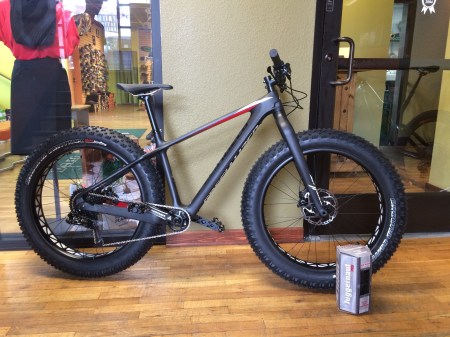
If these bikes tantalize your bike senses, stop into Peak Cycles in Golden, Colorado to see what you might find at our sale. We have over 50 different types of bikes on sale and even more different types of bike parts, cycling accessories, and cycling apparel.
Leave a Comment » | Peak Cycles Bicycle Shop | Tagged: bike parts, bike sale, bikes, cycling accessories, cycling apparel, S-Works Camber FSR 29, S-Works Camber FSR 650B, S-Works Roubaix SL4 Disc, Specialized Fatboy, Specialized Fatboy Expert Carbon, spring bike sale | Permalink
Posted by staffwriter8
February 25, 2016
The temperatures may be getting a little warmer this time of year, but we know that many of you are still thinking fat bike! And, in reality, it’s still prime fat bike season. So we thought that we would provide you with some fat bike candy — everything you want to feast your eyes on in regards to fat bikes, bike parts, cycling accessories, and cycling apparel.
The Intrepid Specialized Fatboy
(Other models include Fatboy Comp, Comp Carbon, Expert Carbon, Trail, and Pro Trail see details here)
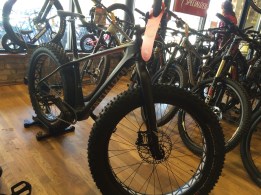
We find that the Specialized Fatboy models continually maintain a positive reputation among fat bike riders and critics as a reliable, light weight, and enjoyable all around bike. If you ride around Golden, CO in the winter, you will have most certainly seen Fatboy prints in the snow because we see them all the time, and regularly take our bikes out on test rides.
If you race fat bikes, bikerader.com published a glowing review of the Fatboy Expert Carbon with the verdict that, with a lightweight carbon frame, fork and wheelset, the bike is “race-ready out of the box.”

Bike bags, bike bags, and more bike bags!
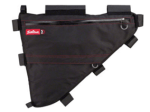
We’ve been hearing more and more that our riders really appreciate having quality bike bags when they are out on their fat bike for long periods of time. Whether you’re bike packing, bike commuting, our just out for an extended ride, you might find a bike bag for your fat bike very useful.
Similarly, weather is changeable in the winter and spring months so riders are often putting on and taking off layers. And where do they store them? Bike bags! We recommend that you look into bike bags from Apidura, Revelate Designs, and Salsa. These are well-priced, durable bike bags that fit on your frame, handlebars, saddle, or top tube. You won’t regret purchasing one of these!


Fat Bike Apparel for the Tough Cyclists
If you’re a winter cyclist, you are tough. You’re love of cycle overcomes any inhibitions to stay inside during cold, windy, and snowy winter weather. And while it’s not always easy to be outside in winter, you love the chill on your face and the wind whipping through your helmet holes.
But winter cycling doesn’t have to be a tough experience. Having the right gear can make an otherwise grueling outdoor ride into a much more enjoyable experience. Winter apparel staples include boots, poagies, and layers.
Your feet and hands are critical. bikerumor.com recently released a review of a favorite boot of ours — 45NRTH Wölvhammer which bike rumor described as “burly,” “rugged,” and the “warmest” and “most waterproof” boots tested. Similarly, we always recommend a pair of pogies to keep your hands nice and toasty.

If you have have any questions about what you should be riding or wearing for fat bike season, feel no hesitation to stop into our store or see our extensive inventory of bikes, bike parts, cycling accessories, and cycling apparel online. Happy fat biking!
3 Comments | Peak Cycles Bicycle Shop | Tagged: 2016 Fatboy Comp Carbon, Apidura, bike parts, cycling accessories, cycling apparel, Fatboy Comp, Fatboy Expert Carbon, Fatboy Pro Trail, Fatboy Trail, Pogies, Revelate Designs, Salsa | Permalink
Posted by staffwriter8
February 18, 2016
 It’s that time of the year when road rides alternate between dry pavement and sloppy slush. And, with the warmer temperatures gracing the Front Range, riding trails is a treat but there is the complication of dealing with mud, slush and a mixture of dry trail. What does this mean to cyclists? Choose your chain lube wisely!
Picking the right chain lubricant can be one of the more frustrating things you’ll do as a cyclist. There’s a million different types to pick: wet lubes, dry lubes, waxes, spray ons, drop ons, biolubes, and others. Scratching your head, you might think, can’t just one chain lube do the trick? Well, when you consider that different chain lubricants are designed for different environments, the answer is a maybe. Think of it this way, what may protect a chain or drivetrain component in one climate may actually do harm in another. There’s an assortment of manufactures from Pedro’s, Finish Line, Pro Gold, Bike Medicine, Squirt, and White Lightning, how do you choose? Start with the basics in understanding bike chain lubricants.
Wet Lubes – A wet lube is thick enough to stay on the chain, thin enough to penetrate all of the small moving parts, and will remain wet (to the feel) till it is cleaned off or washes away. This lube cleans, lubricates and protects the chain from corrosion. The best time to use this type of lube is in wet or muddy conditions and areas where there is not a lot of dust. The down side to using a wet lube is that because they stay wet on the chain they collect a lot of dirt and debris.
Dry Lubes – A dry lube, on the other hand, is a lube that has an alcohol base and dries on the chain leaving a waxy film that protects and lubricates the chain. Most dry lubes take about 3-4 hours to dry and should be applied with enough time to dry before the ride. The major advantage to a dry lube is that it does not collect much, if any dirt. The down side is dry lubes wear off quickly, especially in wet or muddy conditions.
Wax Lubes – Wax lubes are essentially very dry lubes and, as the name suggests, are very waxy. In addition to lubricating your drivetrain, wax lubes also help keep your chain clean. Part of the reason it is so clean, however, is the number of applications that are required. Wax lube will either need to be washed off or it will have the ability to flake away on its own. This kind of lube does not last long when used in wet or muddy conditions, but it also leaves the least amount of messy residue – which is nice for your surrounding bike parts.
Bike maintenance isn’t always fun to do, but obviously necessary. So, what about which bike lubricant to use in different conditions? Basically, wet lubes are ideal for rainy, wet conditions. Dry lubrication is perfect for dry conditions. In varying conditions, many cyclist prefer dry lube over wet, despite the fact that it requires more application and drying time.
An interesting little-known fact about chain lubricants, is that at Peaks Cycles Bicycle Shop, we have the largest assortment of chain lubricants available. Stop by the shop in Golden, Colorado to check out our display and while you’re at it, be sure to view our 2016 cycling apparel and accessories. Nothing pairs better with chain lube than new bike parts or cycling apparel, right?
3 Comments | Peak Cycles Bicycle Shop | Tagged: bike maintenance, Bike Medicine chain lubricant, bike parts, chain lube, cycling accessories, cycling apparel, drivetrain component, dry lubes, Finish Line chain lubricant, Pedro's chain lubricant, Pro Gold chain lubricant, Squirt chain lubricant, wax lubes, wet lubes, White Lightning chain lubricant | Permalink
Posted by staffwriter8
February 11, 2016

Peak Cycles joy ride on Apex Park/Chimney Gulch – Golden, CO
Friends, the weather conditions have been changeable as of late with abrupt transitions between heavy snows and 50 degree temperatures. The warming trend this week may have even caused some of you to think that we are on the cusp of spring season. But we know that variations in late-winter weather make for prime fat biking conditions. So whether you’re riding on icy, hard-packed trails or sloppy snow banks, we wanted to give you some tips for late-season fat biking.
Coming away from the Big Mountain Enduro Fat Bike World Championships in Crested Butte in late January (see results and pics on Twitter , Facebook, Instagram) our customers couldn’t be more excited to get on their fat bikes. There are a couple of Colorado races still on the horizon that will likely be well attended. One big one is the Leadville Winter Mountain Bike Series with races from February – April (see below):
If you are training for a race, there are some things you should pay attention to:
- Even thought fat bikes have big fat tires, they still don’t have traction on ice. Watch out for icy patches a go slow. You don’t want to jeopardize your ability to race before the actual event!
- Strengthening exercises off the bike can improve your performance. We highly recommend that you look into Foundation Training (see our blog post for more details) which strengthens your core back muscles trains you how to move and bend correctly on the bike.
- Light weight = fast. The lighter your fat bike is the faster it will be. There are ways that you can cut down on weight such as changing to a light-weight tire. We recommend the Kenda Juggernaut Pro Tire which is currently the lightest fat bike tire on the market and is designed for speed & performance.
- Go tubeless. Tubeless fat bike wheels are more reliable and don’t require as much maintenance from you. With new fat bike FattyStripper technology we can convert your wheels to tubeless for just $95.
If you are looking to just enjoy the Colorado outdoors on your fat bike, Colorado.com offers a great fat biking resource that will give you ideas about where you can go and enjoy prime fat bike trails. You can also join the Facebook group, Front Range Fattys to get to know a very engaged and enthusiastic crew of fat bike aficionados.
What’s that? You’ve never tried a fat bike? You can demo one of our Specialized FatBoys at our store! And if you want even more fat bike ideas, or need for cycling apparel, bike parts, and cycling accessories, stop into Peak Cycles Bicycle Shop. We would love to help you!
Peak Cycles/Bikeparts.com Team Update: We were thrilled that three members of our BikeParts.com team placed in the Fat Bike World Championships Junior race. Lander Turner (1st), Dillon Turner (3rd), and Conrad Turner (4th) all had spectacular performances during this challenging and world-class event. Great job guys!
Leave a Comment » | Peak Cycles Bicycle Shop | Tagged: Big Mountain Enduro Fat Bike World Championships, bike parts, cycling accessories, cycling apparel, Eastside Epic, fat bike racing, Foundation Training, Kenda Juggernaut Pro Tire, Leadville Winter Mountain Bike Series, Mineral Belt Mayhem, Specialized FatBoys, Tennessee Pass Night Jam | Permalink
Posted by staffwriter8
February 4, 2016

Winter Cycling Apparel at BikeParts.com
Cold, winter weather is finally here. With nearly 3 feet of snow in Golden, Colorado, the thought of riding outside can be daunting. This is especially so if you’ve been taking some time off or haven’t had to endure cold-weather riding in awhile. However, the beauty of riding in the clear air after a fresh snowfall far outweighs the extra work involved in getting dressed appropriately. So, what do you need to do to wrap up and roll out on a chilly winter day?
Understanding the basics of keeping warm is a good start. When you are riding, you want to balance your warmth and comfort with the intensity of your bike ride. If you are really bundled up when you start riding, you will likely want to start shedding layers. It may feel good to sweat in 25 degree weather, but you want clothes that are both breathable, wind-stopping, and sometimes waterproof. You also want to evaluate the type of ride you are doing. Is this a training ride? Will you be working really hard? Or are you just going to chill and casually ride? At Peak Cycles Bicycle Shop in Golden, Colorado, we’ve been asked all of these questions. Here is what we have found works, and works best! Following are the winter cycling clothing options we can’t live without!
Hands: Keep those digits nimble! Cold hands makes it hard to maneuver the bike. Definitely go for long-figured gloves or liner gloves with thicker gloves. Fatbike riders may opt for porgies. Great for keeping the digits warm, the Endura gloves are our most popular wind chill gloves.
Feet: Who likes cold toes? Nobody! It’s really important to keep the feet warm on winter rides. Road and mountain bike cyclist may opt for thick wool socks. As for the keeping your toes warm, we have two favorite options. The Giant Sojourn cycling shoes have a stiff and grippy bottom which are good for walking. A great option for bike commuters. The other favorite is the Defroster cycling shoe. It’s a great option for fall and winter riding and especially on the cold days because these shoes doesn’t require shoe covers.
Fatbike riders will want to go with insulated shoes with thick socks. If you can get waterproof shoes, that is even better. For fatbike enthusiast, there are a number of options out there depending on if fatbike riders want to ride with flat pedals or clip less pedals. Riding your fat bike in the winter, you can ride with winter snow boots which will keep your feet warm. If you are riding with clipless pedals, Specialized and other companies make insulated biking boots. Regardless of what type of bicycle you are riding, polypropelene shoe covers are a must when keeping your feet warm because they deflect wind. You can also carry chemical toe warmers in case your feet get really cold.
Lower Body: In the winter you want to have something covering your entire legs. Fleece lined chamois are often a good choice. Many bikers also use cross country ski tights under their biking shorts. Peak Cycles Bicycle Shop has Endura and Mavoc pants, chamois, which will all be good down to about 10 degrees. There are also waterproof pants to keep the wet off your legs. This is important if you are riding in snowy conditions. We have a variety of knickers, knee warmers, and pants. These are essential items to have on hand because sunny days can tempt cyclist to opt for less clothing but we think it’s a good idea to cover your knees. Many cyclist prefer tights whereas others prefer leg warmers. There are also knickers which allow more airflow over the legs, and they are good for layering as well. Consider trying out each option and experiment to dial in your preference.
Upper Body: The key with upper body warmth and comfort in the winter is layering. Here in Colorado, as in other parts of the country as well, temperatures can change pretty quickly. It’s best to plan ahead based on varying conditions, as well as, plan for your workout requirements. You might find that you are either over dressed when you start working hard. Consider a light, long-sleeved jersey that has pockets in the back is a good base layer and gives you the opportunity to put extra cloths in the back pockets. Next, put another thermal layer on top of the long-sleeved jersey. You want something fairly light, warm, and breathable. As a final option you want to top your upper body layering with a wind-stopper jacket that deflects wind and preferably is also waterproof. Stop by Peak Cycles Bicycle shop and see which brand fits you best: Endura, Mavic, or Pearl Izumi.
Last but not least, cover your head! You can wear a buff or a cap and headgear. Buffs are really good for neck protection as well. Another option are balaclavas – especially so if you want to keep almost your entire face warm. Remember to wear appropriate eye protection too! The glare from the snow can be blinding. While not as stylish as some of the cycling eyewear we carry on BikeParts.com, you could consider wearing goggles to help protect our eyes and face in snowy conditions.
So, what’s in your cycling wardrobe? Stop by Peak Cycles Bicycle shop to fill in your cycling wardrobe with the necessary items to get you rolling during these chilly winter days.
When you think about it, it’s easy to embrace winter riding when you are warm and toasty. Being mindful of the best clothing options, cycling apparel, bike parts, and nutritional needs during your winter rides helps too! So, whether you are enjoying the fresh snow from a scenic a bike path, or clear road, winter bike rides in Colorado are the best way to get ready for the upcoming cycling season while filling up your lungs with fresh, crisp Colorado air.
Leave a Comment » | Peak Cycles Bicycle Shop | Tagged: balaclavas, bike parts, BikeParts.com, cap and headgear, Defroster cycling shoe, Endura gloves, Endura jacket, Endura pants, eyewear, fatbike, Giant Sojourn cycling shoes, goggles, jacket, knee warmers, long fingered gloves, long-sleeved jersey, Mavic, Mavoc pants, mountain bike, Pearl Izumi jacket, shoe covers, winter cycling apparel | Permalink
Posted by staffwriter8
January 28, 2016

Cycling Motivation from BikeParts.com
“I love riding the trainer!” – said no one – ever! The trainer can be a love / hate relationship. As a training aid, you love it because it offers training options during poor weather and winter months. Yet, on the flip side, trainer rides can be boring, lead to muscle- specific fatigue, and basically, offer uninspired riding. Ugh. Is there a way to make it work? Yes! There is! With a mixture of planning and dose of discipline, you can motivate yourself to get in quality trainer rides. Here’s how.
First and foremost, set up your trainer right. Having the right equipment and bike parts can make your indoor workouts less boring and more effective. When we’re talking about equipment, sure, we mean having your road bike on the trainer, but we’re also talking about having a fan, a trainer tire, a riser block, a sweat towel, a trainer mat, indoor riding clothes, a cadence sensor, a power meter, and a heart rate monitor. You might not think all of these cycling accessories add up to a great trainer workout, but according to the post, How I Learned to Stop Worrying and Love the Trainer, it can make all the difference in the world. Aside from the actual cycling components, setting up your trainer right means creating an inviting cycling environment. Do you need bright lights to keep you motivated? An upbeat playlist? Be mindful to the “little things” that either inspire you or detract you from getting on the trainer. By noticing those elements that dissuade you, you can take actions to create a better trainer environment for yourself.
Another way to make riding indoors work is to shorten your ride and add strength training to your workouts. One way to do this is to avoid long rides on the trainer all together. Year round strength training for cyclists matters and substituting your indoor rides with strength training will do more for your cycling later on in the season than doing another trainer session. In fact, a one hour hard trainer workout will do more to improve your cycling and race fitness than 2 to 4 hours easy on the trainer. So, plan your time on the trainer accordingly and substitute ride time for strength training time.
Sometimes seeing is believing! Keep your motivation strong with visual effects. Pop in a DVD training video or select a few YouTube clips to get your mind in the game. Posters, a vision board, books, maps, apps, or pictures of upcoming races can trigger your motivation to not only get on the bike, but maybe even dig a little deeper than you would have otherwise. If that doesn’t motivate you, another option is to focus on form. One way to improve form is by not rocking your hips while seated and spinning. Maintaining level hips, along with a tight core will place more emphasis on the leg muscles, working them just a little harder through the revolution. This will lead to increased leg strength over time. The torso, shoulders and arms also need to be engaged at all times. Focusing on strong arms, bent elbows and a strong upper torso will increase upper body muscle endurance, being of great value on race day. Shifting your mental focus to your riding form can make the minutes on the trainer tick away faster.
Granted, trainer rides will never replace the joy of cycling outside. However, you can take pride in that you are getting your rides in and building your cycling base for the season ahead.
1 Comment | Peak Cycles Bicycle Shop | Tagged: bike parts, cadence censor, cycling accessories, DVD training video, heart rate monitor, indoor riding, road bike, strength training, trainer | Permalink
Posted by staffwriter8
January 21, 2016

S-works Stumpjumper FSR Comp 6Fattie at BikeParts.com
January is prime winter cycling time. The holidays are behind us and all that’s left on the cyclist’s mind is, “when can I get out on those chilled, hard-packed trails that I love”. With winter races just on the horizon, we at Peak Cycles wanted to provide you with a guide to the best ways to enjoy winter riding.
- Plus-size Tires: Plus-size tires are a relatively new trend in winter riding this year. They are popular because the 3” tires handle snow really well but have a reasonable tire weight so you aren’t compromising speed performance. As a result, bikes with plus-size tires turn out to be an ideal all-season mountain bike and a purchase you won’t regret. The S-works Stumpjumper FSR Comp 6Fattie is our top-performing and most popular plus-size tired bike right now. Come to our store to check it out!
- Fat Bikes Are Still Fun: Fat biking is still a favored activity in the winter. You can’t beat the feeling of control on snow with big fat tires. We were excited to see that our well-liked Specialized S-Works Fatboy Carbon made the top of Outside Magazine’s Best Fat Bikes of 2016 and the top of The MTBGuide’s 2016 Top Fat Bikes list.
- Introduce Kids to Mountain Biking: Fat bikes are also a great way to introduce your kids to mountain biking. In a Fat-Bike.com post, a cycling-enthusiast father talks about his son’s experience on a 24” Specialized Fatboy. The father proudly claimed that after riding the Fatboy, his son “changed from a timid kid who would put up with going out to ride with a lot of coaxing to asking to go mountain biking on more and more challenging trails.” We have found the Specialized Riprock Plus-size Kids’ Bike to be an excellent all-season starter for younglings.
- Get Your Winter Cycling Accessories: If you’re going to be comfortable riding in the winter, you’re going to need the right bike parts and cycling accessories. For you fat bikers, Kenda released its Juggernaut Pro tires that are lightweight (only 767 grams!) and serve as an excellent racing tire. Some of our other most loved winter riding accessories include the Specialized Defroster cycling boot, Pogies, and long-lasting Endura jackets.
- Enter a Race: There are a number of winter races/rides coming up including:
Peak Cycles Bicycle Shop wishes you the best with your winter cycling! And don’t forget that if you ever need advice, don’t hesitate to stop into our store.
Leave a Comment » | Peak Cycles Bicycle Shop | Tagged: bike parts, cycling accessories, Endura jackets, fat bike, Fat Bike World Championships, Juggernaut Pro tires, Leadville Winter Mountain Bike Series, mountain bike, Old Man Winter Rally, Plus-size Tires, Pogies, S-works Stumpjumper FSR Comp 6Fattie, Specialized Defroster cycling boot, Specialized Riprock Plus-size Kids’ Bike, Specialized S-Works Fatboy Carbon, winter cycling | Permalink
Posted by staffwriter8

 Peak Cycles - BikeParts.com Blog