July 16, 2015
The Tour de France is under way, and the buzz has never been so great! The world’s fastest cyclists and bike manufacturers have sharpened this year’s competition with increased fitness, improved road bikes, better bike parts – leaving us all inspired and gripped on the watching the next day’s stage.
With the addition of GoPro Hero 4 on the riders bikes, it has changed forever how we watch the Tour de France. Ultimately, as spectators, we gain a greater perspective of the event along with a longing for the gear, bikes, and thrill experienced by the pro cyclist. Granted, we may never race in the Tour de France, but we do have access to the great gear the pro cyclist ride!
Watching the Tour de France might give you the itch for a new road bike and it’s perfect timing because shortly our 2015 road bikes and mountain bikes in our Golden, Colorado Peak Cycles Bicycle Shop will be going on sale to make way for the 2016 product releases. Here’s what’s coming in and a brief description of why we like them.
If you can’t stand the wait and are looking to get that new bike thrill now, check out a really nice S-works bike in our store with Shimano XTR components and 11-speed in back. It’s light and fast for racing – just like the tour riders like it!

Be sure to like us on Facebook and follow us on Twitter to keep up with news on bikes, bike parts, and new product releases.
 Leave a Comment » |
  Peak Cycles Bicycle Shop | Tagged: bike parts, bikes, Cycling Clothing, Endura FS260 pro race cape, Endura Singletrack mountain bike gloves, Endure lite gloves, Giant - Liv shorts and jersey, Giant 2016 TCR Advanced SL, Giant Any Road Gravel Grinder, Giant Trance Advance 27.5, GoPro Hero 4, road bike, Specialized Fuse 6Fattie, Specialized S-Works Stump Jumper FSR 6Fattie, Specialized S-Works Venge Vias DI2 USA, Tour De France |
  Permalink
 Posted by staffwriter8
July 9, 2015
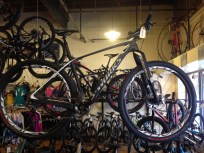
S-works bike at BikeParts.com
July – the best month of the year!
As cyclist, we all love July because the Tour de France is in full swing and so is the touring and racing season in Colorado.
With envy, many cyclist watch the pro riders and wonder how they can mimic the fitness and performance of such talented athletes. In fact, it seems that pro cyclists are often all thought to be blessed with nature’s special gifts – a huge heart, enormous lungs and infinite leg power. Yet, in reality this is hardly the case. The truth is that most of us have the physiology to be a decent racer – if we trained as much as they do. Granted, most of us don’t have the time or the resources available to pro cyclists but we can all optimize the talents bestowed upon us by training properly. Here’s what pro cyclist are doing that you can do too.
Cool things first. If you noticed, pro riders are wearing the new GoPro Hero 4. You might wonder how this could help your training? Considering that the winter months can be bleak, capture your favorite training rides on video and reply when riding the rollers or trainer during the winter months. We at Peak Cycles Bicycle Shop can order the GoPro Hero 4 if you like!
Pro rider ride really nice bikes! That’s a given. Great road bicycles don’t have to come at a hefty price tag either. Right now, in our Golden, Colorado shop we have a really nice S-works bike in the store with Shimano XTR components and 11-speed in back. Light and fast for racing. If a new bike isn’t in your budget, then start with the basics. Have good equipment. Meaning, have a bike that fits, get the right bike parts, and wear the appropriate cycling accessories. It may seem obvious but the small things add up to bigger gains.
Pro riders take nutrition seriously – on and off the bike. Many cyclist have different preferences as to how they prefer to get their fuel while riding – whether that is in nutrition bars, gels, and liquids. However, oftentimes, the course may dictate other options. Regardless, proper on bike nutrition is critical. Many of our customers ask us what are the best on-bike nutrition options available? Following are our favorites at Peak Cycles Bicycle Shop:
Osmo nutrition – This product is specific to women offering three options:
- active hydration
- acute recovery
- preload hydration
What we like about this product is that it is nutrition “based on peer-reviewed science. The science is simple. Hydration, which refers to the maintenance of water in your blood, is critical to maximizing power, endurance and reducing fatigue. When you’re thirsty, you’ve already lost two percent of your body water—and 11 percent of your power.” Stop by the shop in Golden, Colorado to learn more.
Another option is Skratch Labs. Again there are several options to sleet including:
- All day – daily electrolyte mix
- Single workout – exercise hydration mix
- Hyper nutrition – hyper hydration mix
- Rescue hydration – for dehydration
Finally, an all time favorite! Honey Stinger products – tasty edibles on the ride.
- waffles
- gels
- energy bars
- organic chews
Pro riders train with power and heart rate. Some mistakingly think that technology takes away the “riding experience” or that it is too costly for their level of riding. However, times have changed and power meters are much more affordable. They offer objective bio feedback to help you perform your best. Our most popular are Stages Power Meters beginning at $1000. Stages Power meter is the lightest, smallest, most technologically advanced unit available today. Another option is the Pioneer Power Meter offered at $2000 and is a bit more sophisticated. A third favorite is a company that’s been around for a while now – PowerTap Power Meter.
Last but not least, a little R&R or active recovery is good too. Some of the most elite cyclists use yoga as part of a successful training program, including 2012 Tour De France winner Bradley Wiggins. Wiggins’ benefits from the focus it brings to his cycling, while others, such as pro mountain biker and Olympian Jeremy Horgan-Kobelski, use yoga to gain strength. From power to endurance, athletes at all levels are incorporating yoga to gain an edge over the competition, and prevent injury.
While you may not be a pro cyclist, you can certainly benefit from the training elements of a Tour rider lifestyle. Stop by the Peak Cycles Bicycle Shop or connect with us on Twitter and Facebook for more training tips and cycling information to make the best of your summer cycling season.
Leave a Comment » | Peak Cycles Bicycle Shop | Tagged: and liquids, bike fit, bike parts, cycling accessories, gels, GoPro Hero 4, Honey Stinger, hydration, nutrition bars, Osmo nutrition, Pioneer Power Meter, power meters, PowerTap Power Meter, pro cyclist, road bicycles, s-works, Shimano XTR components, Skratch labs, Stages Power Meters, yoga | Permalink
Posted by staffwriter8
July 2, 2015
The beautiful scenery and challenging terrain of Colorado’s cycling scene beckons riders from all over the world to ride along the backdrop of blue skies and snow capped mountains. In fact, Colorado has some of the greatest road bike rides and mountain bike trails in the country. And, it’s host to one of the world’s favorite bike races – the US ProCycling Challenge. However, one of the toughest challenges a cyclist can face is how to prepare for a tour or race when traveling from out of state.
A first step in preparation is selecting the road rides, mountain bike trails, and or road and mountain bike races you want to do. July is packed with events including some of our top favorites:
- Firecracker 50
- Tour de Ladies
- Clasica de Rio Grande
- Big Mountain Enduro Keystone
- Triple Bypass
- Longmont Criterium
- SOS Outreach Colorado-Eagle River Ride
- Tour de Steamboat
- Breckenridge 100
- Salida Classic
- Bob Cook Memorial Mt. Evans Hill Climb
- Leadville Stage Race
- Colorado Freeride Festival
Next, you’ll want to gather event intelligence. As in, what are key elements you should know about the event for planning, preparation, etc. You’ll want to know the course profile. If you are a flatlander, most likely, you’ll be interested in knowing how much climbing and descending to expect. Obviously, a no brainer is to have your bike and the correct bike parts in order! If you are accustomed to riding on flat terrain, you’ll also want to have the appropriate gearing for your event. Your legs will thank you for this!
As the event gets closer, you will want to be aware of the weather conditions before, during, and soon after you expect to ride. Colorado weather changes quickly and sometimes, radically. It’s critical to prepared. With that in mind, it is important to know which cycling apparel to pack and have available during your stay.
More importantly, travelers coming from sea level to higher altitudes will want to plan their trip accordingly to allow for acclimation. Specific to altitude acclimations, there is definitely science and research behind acclimating for cycling performance but without getting too technical, following are some of most common approaches. You may consider spending time at higher elevations prior to your event which enables the body to adapt and increase the number of oxygen-carrying red blood cells. This improves your ability to deliver oxygen to the brain and working muscles at all levels of activity, including high-intensity exercise. The longer you can acclimatize – the better. Keep in mind, true acclimation can take three weeks or more.
Another option and an important one is to hydrate and drink plenty of liquids. High elevations can cause fluid loss, so it’s important to stay well hydrated. Your best course of action is to stick with water or liquids that replace electrolytes and avoid sugary or caffeinated beverages. These liquids act as diuretics and can dehydrate you.
Finally, during training and racing, use your training tools for biofeedback. It’s important to know your limits going into an event and modify your strategy if necessary. This includes dialing in your race day nutrition requirements, heart rate limits, and using your power meter for feedback. Power meters are especially useful because they help riders to gauge their efforts.
Colorado tours and races in July can be rewarding experiences. Part of what makes them fun is the scenery and the great Colorado experience. However, to make the even more memorable, it’s important to evaluate your results based on your goals. What worked? What didn’t? What can you do for the next race or tour to get a better result? Be objective and explore how your mental and physical training helped prepare you for this event.
It might seem unimportant to evaluate the experience, but post event evaluation is an important element in deciding if you want to do that event again the following year. If you do, it’s helpful to make note of your bike and cycling accessory selections. What would you change or do differently next time? As in, you might wonder, did you race the right bike? Would a different wheel set make a difference? Build on this foundation to create success in planning and preparing going into next year’s event.
If you are coming in from out of state to participate in one of Colorado’s July cycling events and need help making bike part selections or deciding on the right gear for an event, give us a call at Peak Cycles Bicycle shop. We’re also on Facebook and Twitter and happy to help! Happy riding!
Leave a Comment » | Peak Cycles Bicycle Shop | Tagged: acclimation, Big Mountain Enduro Keystone, bike parts, Bob Cook Memorial Mt. Evans Hill Climb, Breckenridge 100, Clasica de Rio Grande, Colorado Cycling in July, Colorado Freeride Festival, cycling apparel, cylcing accessories, Firecracker 50, Leadville Stage Race, Longmont Criterium, power meter, race day strategies, road bike, Salida Classic, SOS Outreach Colorado-Eagle River Ride, Tour de Ladies, Tour de Steamboat, Triple Bypass, wheel set | Permalink
Posted by staffwriter8
June 25, 2015
 Course strategies, break aways, riding in a small group or a large peloton – these are the thoughts and questions of cyclist wondering how to perform their best at bicycle racing. Now that the cycling season is in full swing, many are filling up their calendars with the big events of the summer season. While not a comprehensive list, following are some of the favorite Colorado races and tours on tap for late June and July.
- 40 in the Fort Endurance Mountain Bike Race
- The Bicycle Tour of Colorado
- Boulder Stage Race
- Firecracker 50
- Triple Bypass
- Big Mountain Enduro Keystone
- Breckenridge 100
Sounds good, right? Absolutely! So many different road and mountain bike events to choose from. The main question is how to prepare? How do you know if you are race ready? How do you handle the heat or prepare to ride at altitude? All good questions and we’ve got answers. Ultimately, the best way to approach any of these rides is to come prepared: mentally, physically, and have fully inspected your bike parts.
Previously, we shared in our Peak Cycles blog post 5 race day strategies to prepare for the Spring races in Colorado highlighting the importance of setting goals, knowing the race route, establishing race day rituals and getting into the proper mental state for racing. The post, 5 Steps to Being Race Ready, reinforces the need for mental and physical preparation, as well as nutrition and bike parts checks, but part of racing is using your energy effectively – especially during the summer heat.
Here in Colorado, we’re now into warmer temps and managing the heat while riding and racing is critical not only to comfort, but also performance. Many cyclist, whether recreational or competitive, find dealing with the heat an issue. Suffering from some degree of cramps at one time or another or heat related stomach issues, the heat brings on specific challenges to overcome in the summer months. What, if anything, be done to help you train and race best in the heat?
When it is hot, especially when temps are in the 90-100F (36-40C) range, your body needs to work harder to keep your core temperatures in a safe range to allow the organs to function normally. There are numerous heat–coping strategies to consider when planning a high-intensity workout or doing a race, like those mentioned above, in hot weather.
If you can, acclimate. It takes about 10 to 14 days of frequent exposure to heat for your body to adapt. During this period of time workout daily in hot conditions at a lower-than-normal intensity. After a couple of weeks of near-daily exposure to hot conditions you will begin perform better in the heat than prior although performance will still likely be diminished from what you might have done in cooler conditions.
Focus on nutrition. You want to eat “quality” carbs leading up to, and including, a hard effort or race day. That includes eating plenty of fruits, veggies, etc. Watermelon is a great fruit (carb) to consume even during race day. Also, remember to stay away from the simple carbs. i.e. sugars, sweets, prior to the race or training in hot conditions.
This is obvious, but an often overlooked component. Hydrate. Water is 60% of your body weight and the number one concern on any athlete’s intake list. For both performance and health, the importance of your water intake exceeds that of your vitamin, calorie, and electrolyte consumption. For your road racing needs, be sure to carry the water bottles and containers that you need on your bike but have extras available for bottles that are tossed and extras for immediate refueling post race. If you’re a mountain bike rider, you know tricky descents can bump a bottle right out of its cage. This time of year, it’s best to wear a full camelback as well as have extra bottles on hand.
To train and compete at your best during this upcoming events, it is important to understand how your body copes with heat, and what you can do to keep cool. Everyone adapts differently to heat stress. Need more tips? Stop by the Peak Cycles Bicycle Shop in Golden, Colorado to chat with our racers, mechanics, and other cyclist to see what works for them. Maybe you’ll learn some new heat-coping strategies that will keep you cool when the racing and riding gets hot!
Leave a Comment » | Peak Cycles Bicycle Shop | Tagged: 40 in the Fort Endurance Mountain Bike Race, Big Mountain Enduro Keystone, bike parts, Boulder Stage Race, Breckenridge 100, Colorado cycling, cycling in the heat, Firecracker 50, Heat Acclimation, mountain bike, The Bicycle Tour of Colorado, Triple Bypass, water bottles and containers | Permalink
Posted by staffwriter8
June 18, 2015

Happy Father’s Day from BikeParts.com
What do you get a Dad who has everything? Father’s Day can be a tough one. Everyone knows Dad’s are impossible to shop for. Sure, you could just pick him up another tie or another box of golf balls. But why not get him something unique this year? Why not tap into his true passion and gift him with items he will appreciate year round!
To help you in the ideas department, at Peak Cycles Bicycle Shop, we’ve put together this list of suggestions that we’re sure will help turn his Father’s Day into more than just another game night or round of golf.
1. Get a Fat Bike! Peak Cycles Bicycle Shop is passionate about fat bikes in the winter months but they can actually be ridden year round! They are fun and versatile bikes that can be used in almost any terrain. We have found the Specialized Fatboy to be a highly rated, mid-range fat bike that is usable for a wide range of ages and skill-levels. Splurge and get him a fat bike or get him a bike demo so he can try it out himself!
2. Get New Bike Parts! So many bike parts – the question is what to purchase? Consider getting your Dad a high quality wheel set. A good wheel set impacts ride quality, ease of pedaling, reliability, and functionality. Maybe purchase some new, lighter tires for your Dad’s wheels. Another option is to reconsider the current crank set and pedals setup.
3. Get a Power Meter! Is your Dad a data junkie? Then, this is the ideal gift for him! The main idea behind using cycling training tools is to dial in training to optimize performance as it relates to specific goals and objectives. Our post, The Best Training Aids to Launch into Spring Cycling, dives into the benefits of training with power. As for which power meter to get for your Dad, consider our most popular one, Stages Power Meters, beginning at $1000. Stages Power meter is the lightest, smallest, most technologically advanced unit available today. Another option is the Pioneer Power Meter offered at $2000 and is a bit more sophisticated. A third option is a company that’s been around for a while now – PowerTap Power Meter.
4. Get Cycling Accessories! So what do you get a Dad that has everything? Cycling apparel! You can’t have too many jerseys, shorts, tights, jacket, sunglasses, and cycling shoes! Cycling apparel is much better than just getting another tie!
5. Get a Bike Fit! A bike fit isn’t just for professional riders – they are for anyone who rides whether they are a beginner or advanced rider. A bike fit helps ensure riding comfort but it also impacts technique which is crucial to preventing overuse injuries and how an athlete rides. Give your Dad the gift of riding comfortably. Give us a call (303) 216-1616 or stop by the shop in Golden to schedule your bike fit.
6. Get Gift Certificates! Gift certificates can be used for purchasing bike parts and cycling accessories. Also consider a variety of gift certificates, as in, those to Starbucks for after ride coffee. Or, even a trial member ship for yoga. If your cycling Dad complains of tight muscles, yoga helps ease the tightness, creating core strength, and aligning the spine.
7. Get a Cycling Vacation! The lifestyle here in Colorado celebrates the great outdoors. Even better, Colorado has some of the greatest road bike and mountain bike rides in the country. Some rides are shorter and convenient whereas others offer steeper, longer climbs and extended distances. There are several Destination Hotspots for Colorado Summer Cycling Trips that the whole family can enjoy.
8. Get Riding! Riding together with your Dad on Father’s day could be one of his most favorite and memorable shared activities to do. Consider selecting one of the 20 Colorado Front Range Bucket List Rides or keep it local and ride some of the best mountain bike trails Golden, Colorado has to offer.
Make your Father’s Day memorable! Gift him with bike parts and cycling accessories that tap into his cycling passion. Happy Father’s Day!
4 Comments | Peak Cycles Bicycle Shop | Tagged: 20 Colorado Front Range Bucket List Rides, bike fit, bike parts, Colorado Summer Cycling Trips, cycling apparel, fat bike, Father's Day Gifts, mountain bike, pedals, Pioneer Power Meter, power meter, Power Tap Power Meter, road bike, Specialized Fatboy, Stages Power Meter, tires, wheel set | Permalink
Posted by staffwriter8
June 11, 2015

BikeParts.com Team Rider Kyle Crawley on his way to finishing in 4th Place at the Gunnison Growler 32
Guess who is rocking the coolest bikes, the best bike parts, and crushing it in Colorado’s toughest road and mountain bike races?
You guessed it – Peak Cycles Racers! We’re super proud of Peak Cycles Bicycle Shop Sponsored Cycling Teams including Peak Cycles XC, Gravity and BMX teams, Colorado School of Mines, The Golden High School mountain bike team, Tough Girl Cycling, Twin Peaks Racing, and The Colorado Collective. Early season success has come easily to these athletes. Countless podium finishes and successful racing has caused many followers of the teams to wonder what are the secrets to combining racing and training for a successful summer cycling season? What are these athletes doing that we all can do to improve our cycling performance?
For starters, there are many different approaches to training and racing. Typical training weeks may vary in distance, intensity, and training hours. Some athletes prefer a structured approach to their racing season; whereas others prefer to keep it casual by mixing in shop rides and even front range bucket list rides to test fitness and keep training fresh.
But at a minimum, there are the basics which pretty much everyone follows. This includes ongoing bike maintenance, repairing and/ or replacing bike parts, continued bike nutrition while riding, and a strong focus on hydration on and off the bike. It sounds simple enough but a properly fit bike – that is ready to ride – makes cycling fun, easy, and keeps you riding!
Regardless of your approach, one of the winning secrets for training and racing is using tools for bio feedback. Cycling accessories, as in power meters and /or heart rate monitors offers bio feedback monitoring of your efforts with specific data so that you objectively know when you are pushing beyond your targeted indictors, as well as, when you aren’t pushing hard enough.
Our post, The Best Training Aids to Launch into Spring Cycling, dives into the benefits of training with power. You may also want to check out our post, Heart Rate Training – What You Need to Know for our staff picks at Peak Cycles Bike Shop. You can also learn steps in discovering your “threshold” heart rate range, setting up heart rate training zones, and identifying the daily variables that affect heart rate.
While it’s not a secret, and we hinted at it earlier, an often overlooked component of successful racing and training is a bike fit. If you haven’t ridden much this Spring, now is the best time for a bike fit. Why? Because your body is unaccustomed to the riding position. You have an opportunity to optimize your position and make needed upgrades to your road bike or mountain bike.
There are countless suggestions that we can offer for training and racing tips but nothing can replace the passion, discipline, and love of the sport that our staff and team riders embrace. For more winning race and training secrets, stop by the Peak Cycles Bicycle Shop and ask our staff for ideas and suggestions. Also, keep current by following our Facebook page for updates. Happy riding!
3 Comments | Peak Cycles Bicycle Shop | Tagged: bike fit, bike maintenance, bike parts, Colorado School of Mines Cycling, cycling accessories, heart rate monitors, hydration, power meters, Racing and Training Secrets, The Colorado Collective, The Golden High School mountain bike team, Tough Girl Cycling, Twin Peaks Racing | Permalink
Posted by staffwriter8
June 4, 2015
As part of our introduction of the Peak Cycles Bicycle Shop 2015 Roster of Sponsored Cycling Teams, we’d like to introduce to you a new and notable cycling team in Colorado – the Colorado Collective.
The Colorado Collective is a brand new cycling team founded in October, 2014. What is exciting about this team is that the group is youthful and competitive! This team includes some of the strongest and talented young cyclists in Colorado. Currently the team is made up of 8 young cyclists whose goal is to “bridge the gap between cycling’s unmatched passion and the energy of life’s most fundamental experiences.”
While the team is new, they are forging ahead at a blistering pace making their mark on the cycling race scene. Most recently, the team has experience numerous successes with a 4th place finish at the Koppenburg circuit race and top 5 placings at the Tour of the Gila in New Mexico. Team riders, Kit Recca, Andrew Clemence, and recently raced in the Koppenburg circuit race in Boulder – a rugged 5.5 mile road race circuit featuring a 17% grade climb. Jon Tarkington took an impressive 4th place finish. Also, new recruit, Taylor Warren, led the team at the Lafayette circuit race on Sunday May 3rd with a 5th place finish!
Other recent achievements include Neal Shepherd racing in the Tour de Gila in early may getting 5th in TT and 4th in GC and Andrew Clemence took the win at the Maverick Classic TT at the Colorado Mesa University Cycling Team in late April.
With impressive achievements such as these, it’s easy to see why we at Peak Cycles Bicycle Shop support the team with the best selection of bike parts and components for road cycling and bike parts for their mountain bike racing. Help us support them too! Stay engaged with this promising group of young cyclists. Visit the team website, follow them on Twitter @cocollective15 and connect on Facebook.

1 Comment | Peak Cycles Bicycle Shop | Tagged: bike parts, bike parts and components, Colorado cycling teams, Peak Cycles Bicycle Shop 2015 Roster of Sponsored Cycling Teams, The Colorado Collective | Permalink
Posted by staffwriter8
May 28, 2015
 With countless mountain bike trails and exquisite road rides available throughout the state of Colorado, it’s no wonder the state boasts of high percentage of recreational cyclist. Many enjoy the joys of recreational cycling yet some yearn to challenge themselves a bit more and begin to explore ideas of racing road bicycles and mountain bikes.
The idea at first is exciting! But not long after, questions emerge and sometimes the idea of stepping out from recreational riding to racing can seem a tad intimidating. Some cyclist making the transition struggle to find a network for training and racing. Whereas others just can’t seem to find the answers they are looking for to help them make that jump.
Peak Cycles Bicycle Shop staff helps answers questions related to the best bike parts for different race venues. We’ll help get your bike in order prior to racing with a proper bike fit as well as any bicycle maintenance needed before or after your event. We even take it a step further! We have a local group ride to support camaraderie and training and we also support several local race teams. One in particular, Twin Peaks Racing, is the ideal solution for a cyclist taking that first step towards racing.
Twin Peaks Racing is the Colorado front-range racing team for the average joe. Known for its “laid-back culture” and “grass-roots bicycle racing,” the team aims to give cycling enthusiasts of all abilities an outlet for bike racing. The group was found in 1986 and is made up of a group of about 40 men and women. During the 2014 race season, the team competed in 31 races and had 96 individual finished. 40 of those finishes were ranked among the top 10 finishes and 25 ranked within the top 5. In 2015, the team has already seen 3 top ten finishes by Omar Dickson, Mark Mortell, and Jeff Warner.
If you have ever wondered if bicycle racing is for you, this team would be the best next step in moving towards those racing goals. Peak Cycles Bicycle Shop is proud to support Twin Peaks Racing with
bike parts and the
cycling accessories they need for the 2015 season. You can stay up to date with Twin Peak races on their
website or on their
Facebook page. With a great team like Twin Peaks Racing, it’s easy to make the jump from recreational riding to racing!
1 Comment | Peak Cycles Bicycle Shop | Tagged: bicycle racing, bike fit, bike parts, Colorado bicycle racing, road cycling, Twin Peaks Racing | Permalink
Posted by staffwriter8
May 21, 2015

Tough Girl Cycling Team – Sponsored by BikeParts.com and Peak Cycles Bicycle Shop
At Peak Cycles Bicycling Shop, we all love bikes and we share our passion for the sport by supporting eight cycling teams in the Colorado Front Range area.
Members of our teams race in all levels and in multiple disciplines and plan to race a full arsenal of events throughout the 2015 cycling season. That’s why we are proud to support the cyclists who are a part of the Peak Cycles – BikeParts.com Race teams – especially the Tough Girl Cycling Team.
In case you are unfamiliar, the
Tough Girl Cycling Team is a non profit cycling group for women started in 2005
and “promotes active outdoor lifestyles through bicycle racing both regionally and nationally.” Their goal is to “have fun, stay fit, be competitive, and look great doing it!” You will notice from their pictures, they do look great! But their
team members are also great cycling advocates sharing cycling knowledge around
nutrition; bike skills and drills; identifying the best
bike parts for women riders; and also, tips on keeping
mentally tough during training and racing.
When they aren’t inspiring others to ride, they are often found on the podium! There are countless achievements to share but following are a few highlights. Champion Titles include:
- Kay Levesque is 2008 24-Hour Duo Mountain Bike National Champion and 2010 24-Hour Women’s Masters Mountain Bike National Champion
- Lisa Strong is 2006 W’s Team 24-Hour National Champion, 2009 CO State Cyclocross Champion, 2008, 2010 Runner Up CO State Cyclocross Champion, and 1999 Runner Up Collegiate Cyclocross National Champion
- Lynn Bush – 2009 Super-D National Champion – Open Women and 2006 W’s Team 24-Hour National Champion
- Margell Abel – 2004 Cyclocross National Champion, Master Women 35-40, 2000 Cyclocross National Champion, Master Women 30-34, and 1st ever Collegiate Cyclocross National Champion – 1997, University of Colorado
- Rebecca Gross – 2012 Masters Cyclocross World Champion 30-34, 2012 Collegiate Short Track D2 National Champion, 2011 Collegiate Short Track D2 National Champion
Members of the Tough Girls team have had multiple triumphs with podium finishes at various local Colorado and regional races such as 18 hours of Fruita in Fruita, CO and Turkey Cross in Lakewood, CO.
Be sure to spot these inspiring ladies on the trail! Look for them at upcoming events and keep current with Tough Girl activities and successes on their
website, their
Facebook page, on Twitter @ToughGirlTeam and on
Instagram.
1 Comment | Peak Cycles Bicycle Shop | Tagged: bike nutrition, bike parts, On Bike Nutrition: It’s Different for Girls, Tough Girl Cycling Team | Permalink
Posted by staffwriter8
May 14, 2015
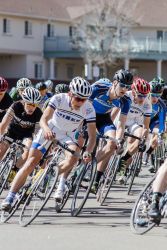
BikeParts.com – Proud supporters of CSM Cycling Team
At Peak Cycles Bicycle shop, we recognize the importance of encouraging young people to ride bikes. Sure, cycling is a fun, youthful activity; but it can also be a lifestyle choice that serves a greater purpose throughout the course of a person’s life.
Cycling, whether it is riding, training for competitive events, or a combination of both can be inspiring and empowering. That’s why we support our many cycling teams and encourage them with a focus on principles and values; good sportsmanship, attitude and teamwork. For us at Peak Cycles, it’s a great opportunity to reach the cycling community in Golden, Colorado.
Last week, we introduced you to the BikeParts.com – Peak Cycles Bicycle Shop 2015 Roster of Sponsored Cycling Teams. This week we’d like to take a closer look and share the background and accomplishments of one of those teams – Colorado School of Mines Cycling Team.
First, a brief history of the team. “There is a long history of cycling at the Colorado School of Mines. The school fielded strong club teams in the 1970’s and 1980’s and hosted the Collegiate Cyclocross National Championships in the area where Mines Park now stands in the 1980’s. The club was somewhat stagnant in the early 2000‘s until 2005 when a new group of motivated riders came to CSM and began rebuilding the cycling tradition at Mines. Since then, the team has become a perennial force in collegiate cycling, with many individual national champions and the 2007 Mountain Bike Team Omnium National Title. The team has not finished off of the podium at the Collegiate Mountain Bike National Championships since first attending in 2006.”
Just this past weekend at the 2015 Road Cycling Nationals, the team secured many accomplishments:
- The team placed 2nd in men’s DII Team Time Trial
- Team member Chad Young finished 3rd in DII Individual Time Trial
- Team member Andrew Hemesath placed 3rd in Collegiate Nationals Criterium
- Team member Andrew Hemesath placed 6th in Men’s DII Road Race
As impressive as those results are, success isn’t new to the team. “The CSM Cycling Team has grown into a perennial powerhouse in collegiate cycling since its rebirth in 2005. Highlights have included the 2007 Mountain Bike Team Omnium National title, 7 individual national titles, 8 team podium appearances at national championships, and 28 individual podium appearances at national championships.”
But it isn’t just about accomplishments that make this team special. Like us at Peak Cycles Bicycle Shop, they support the local community. Annually, Mines holds the annual Oredigger classic in March which includes a hill climb, street sprints, and criterium.
As supporters of this team, we proudly offer the best selection of bike parts and components for road cycling and bike parts for their mountain bike racing. Join us in cheering them on this season! Follow them on Facebook and on Twitter @minescycling.
Leave a Comment » | Peak Cycles Bicycle Shop | Tagged: 2015 Roady Cycling Nationals, bike parts, bike parts and components, Colorado School of Mines Cycling Team, Golden Colorado, mountain bike racing, Oredigger Classic, road cycling | Permalink
Posted by staffwriter8
May 7, 2015

BikeParts.com – Peak Cycles Bicycle Shop 2015 Roster of Sponsored Cycling Teams
What is the secret to success? Happiness! And what doesn’t bring more happiness than riding a bike? Well, having access to the best selection for bikes, bike parts, cycling accessories, and cycling equipment!
At Peak Cycles Bicycling Shop, we all love bikes and we share our passion for the sport by supporting eight cycling teams in the Colorado Front Range area. Members of our teams race in all levels and in multiple disciplines and plan to race a full arsenal of events throughout the 2015 cycling season. That’s why we are proud to support the cyclists who are a part of the Peak Cycles – BikeParts.com Race teams.
Join us in welcoming and supporting the official BikeParts.com – Peak Cycles Bicycle Shop 2015 Roster of Sponsored Cycling Teams. Make sure to like their Facebook pages, visit their websites, and most of all, cheer them on at the races! Here’s our comprehensive list of teams:
First and foremost, it’s easiest to get to know our XC, Gravity and BMX teams by liking our Peak Cycles Race Team Facebook page. Following is a breakdown of the members per team. You may also want to stay up to date with what is going on in our shop by liking the Peak Cycles BikeParts.com Facebook page. Not only will you stay current with our racers’ events, but you’ll also be privy to shop rides and other cycling activities throughout the summer.
School of Mines – ~30 members
CSM Cycling is the official cycling team of the Colorado School of Mines in Golden, CO. The club is an all-inclusive group of men and women sporting a variety of ability levels from beginner to professional. Currently, there are about 70 members with around 35 active racers. The club’s mission is to “introduce new riders to the sport of cycling, field successful racing teams, and, above all, have fun.” Get to know the CSM Cycling club by watching their race video in Crested Butte. You’ll want to support the CSM Cycling team members that are racing at USA Cycling Collegiate Road Nationals this weekend, May 8-10, in Asheville, NC! Follow them on Facebook and on Twitter @minescycling.
Golden High School – ~35 members
The Golden High School mountain bike team started in 2011 with 15 competing students and has been a highly successful and popular program. Finishing 4th place overall in the Colorado High School Cycling League race series and 3rd place in the State Championship race during their first year, the GHS mountain bike team is a competitive group of individuals looking to push themselves both on and off the bike. The team has grown to include over 30 racers and is currently one of the largest high school teams in Colorado. Stay current with team activities on their Facebook page and Twitter @MinesCycling.
Tough Girls – ~25 members
By definition: a “tough girl” is an adventurous, athletic, and strong-minded woman who is passionate about cycling. The ultimate female athlete who rides bikes day in and day out. A tough girl will be found competing in every event in any weather condition. A tough girl is a female cyclist who is able to withstand great strain without tearing or breaking; strong and resilient; physically hardy; rugged.” The non-profit cycling group for women started in 2005 and “promotes active outdoor lifestyles through bicycle racing both regionally and nationally.” Their goal is to “have fun, stay fit, be competitive, and look great doing it!”
Members of the Tough Girls team have had multiple triumphs with podium finishes at various local Colorado and regional races such as 18 hours of Fruita in Fruita, CO and Turkey Cross in Lakewood, CO. It’s easy to keep current with Tough Girl activities and successes by visiting their website, Facebook page and connecting on Twitter @ToughGirlTeam.
Twin Peaks Racing – ~35 members
Twin Peaks cycling is the Colorado front-range racing team for the average joe. Known for its “laid-back culture” and “grass-roots bicycle racing,” the team aims to give cycling enthusiasts of all abilities an outlet for bike racing. The group was found in 1986 and is made up of a group of about 40 men and women. During the 2014 race season, the team competed in 31 races and had 96 individual finished. 40 of those finishes were ranked among the top 10 finishes and 25 ranked within the top 5. You can stay up to date with Twin Peak races on their website or on their Facebook page.
Colorado Collective – ~10 members
The Colorado Collective is a brand new cycling team founded in October, 2014. The group is youthful and competitive at it’s core, comprised of some of the strongest and talented young cyclists in Colorado. Currently the team is made up of 8 young cyclists whose goal is to “bridge the gap between cycling’s unmatched passion and the energy of life’s most fundamental experiences.” Most recently, the team has experience numerous successes with a 4th place finish at the Koppenburg circuit race and top 5 placings at the Tour of the Gila in New Mexico. Stay engaged with this promising group of young cyclists on Twitter @cocollective15, Facebook, or on their website.
Good luck to all racers and all of our teams! At Peak Cycles Bicycle Shop, we wish you great joy in your cycling experiences and continued success throughout the 2015 cycling season!
7 Comments | Peak Cycles Bicycle Shop | Tagged: 2015 cycling season, bike parts, BikeParts.com / Peak Cycles Bicycle Shop, Colorado School of Mines Cycling, cycling accessories, Golden High School Mountain Bike Team, Peak Cycles BikeParts.com Facebook Page, Peak Cycles Race Team Facebook Page, The Colorado Collective, Tough Girl Cycling, Twin Peaks Racing, USA Cycling Collegiate Road Nationals | Permalink
Posted by staffwriter8
April 30, 2015
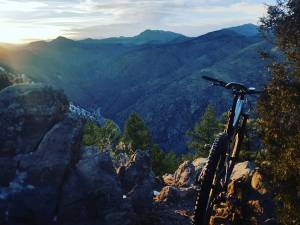 As cyclist, we know the more we ride, the more we want to ride! So, how can you make cycling get even better? Make a whole month celebration of it! Whether you bike to work or school; ride to save money or time; pump those pedals to preserve your health or the environment; or simply to explore your community, May is National Bike Month and is an opportunity to celebrate the unique power of the bicycle and the many reasons we ride.
As cyclist, we experience the benefits that cycling has to offer but to those new to the sport, embarking in unfamiliar territory may seem a tad intimidating. National Bike Month is an opportunity to inspire others to our sport. Fortunately, bike commuting is on the rise! In fact, among the 51 largest U.S. cities, 43 hosted Bike to Work Day events in 2010. The City of Denver reported the highest rate of participation with one out of every 28 adults participating in its 2010 Bike to Work event. That effort makes a difference: Many people who participate in their Bike to Work Day promotion as first-time commuters become regular bike commuters. But Bike Month is more than one day — or week! It’s an entire month!
There are countless ways to inspire others to bike commute, ride, or race this month. See which activities inspire you to help others enjoy our fabulous sport!
Inspire with a bike-friendly shopping program. Everyone likes to shop, right? Inspire new cyclist with bike parts bling! Many aspiring bike riding enthusiast appreciate a shop that offers quality bike components along with solid advice on bike parts and cycling apparel. Convenience helps too. Look for a shop that offers online and store front shopping to aid in your cyclist needs. Fortunately, Peak Cycles offers both!
Inspire with bike education programs. Having the right bike setup, cycling accessories and gear makes all the difference. Consider offering a bike safety class for new riders or participate in a bike maintenance class. All tools aren’t created equal – some are good for mountain bike parts while others are designed for road bike parts. Knowing which tools to use on the appropriate bike components can make all the difference in making bike maintenance easy. Our post, Bike Inspections: A Guide for Injury Free, Enjoyable Spring Cycling, offers bike inspection tips and bike accessories you need to maintain your bike.
Inspire with a list of rides and events. Colorado has some of the greatest road bike rides in the country. Some are shorter, convenient rides whereas others offer steeper, longer climbs and extended distances. Locals and vacationers alike welcome the challenge of pushing the limits while taking in breathtaking views that only Colorado has to offer. Inspire new riders by checking out a few of 20 Colorado Front Range Bucket List Rides or invite them to spectate at one of the MTB races in Colorado.
Inspire with bike events! Check out one of the events held in your area. The League of American Bicyclist has countless events scheduled. Keep in mind, in 2015, Bike to Work Week will be May 11-15, with Bike to Work Day on May 15. To keep the momentum going, join our shop ride on Wednesday evenings and like our Peak Cycles Race Team Facebook page to keep informed of other rides and events.
Have fun, be active! Enjoy and inspire others to enjoy the outdoors and experience the joy of cycling this National Bike Month!
Leave a Comment » | Peak Cycles Bicycle Shop | Tagged: 20 Colorado Front Range Bucket List Rides, bike commuting, bike maintenance, bike parts, Bike to Work Month, Bike to Work Week, bike tools, cycling accessories, cycling apparel, National Bike Month, road bike | Permalink
Posted by staffwriter8
April 23, 2015

John Luif racing in Winter Park
When we catch ourselves visualizing or fantasying about racing, winning or accomplishing something big in our race dreams, rarely do we visualize ourselves falling apart. On the contrary, we view the victory as coming rather easily. Even if the scene involves us digging to the depths of our inner being to pull something out of nothing, that agonizing pull from our inner selves is viewed in fantasy world as masterfully manifested. In real life, we all know it doesn’t actually work like that. Many of us can suffer but there are breaking points and limitations to the line we cross. The mechanism that enables us to reach deeper within ourselves is mental toughness.
As described in the post, Developing Mental Toughness: Are you Tough Enough?, “mental toughness is your ability to persevere in the face of challenges, to keep going even when things get hard, and to have an unrelenting commitment to your goals. When you develop your mental toughness, obstacles are only temporary and one bad performance doesn’t shake your belief in your ability.”
The Spring Racing Season in Colorado is here! With upcoming events like the Karen Hornbostel Memorial Time Trial Series, Rocky Mountain Endurance Series, and Fruita Fat Tire Festival, road and mountain bike racers are ready to ride. But, don’t think that just showing up on the line is enough. Preparing mentally, physically, and being bike ready will ensure a successful start to the season. Following are 4 mental skill drills to bring your a game to the spring cycling season.
Set Goals – For some, early season races are just about getting harder efforts in and saddle time. However, having defined goals can help reduce pre race anxiety and also help you better evaluate your performance post race. Identify what you want to accomplish with this event whether it be a targeted heart rate or power zone, a solid nutrition plan, or attacking certain areas on the race course. Bio feedback is important in early season races. Why? Think about it. We’ve all had those moments when we swear we’re cranking it out on the bike, giving it all we’ve got, leaving it all on the table – and then – we finish the ride and think, I’ve got more in the tank! I didn’t leave it all out there! So, how can you tell that you’re working hard enough? Use cycling accessories that are available to you – as in power meters and /or heart rate monitors. Our post, The Best Training Aids to Launch into Spring Cycling, dives into the benefits of training with power. You may also want to check out our post, Heart Rate Training – What You Need to Know for our staff picks at Peak Cycles Bike Shop.
Set Your Nutrition – As you approach your first race of the season, you may want to read the post, A Guide to Race Day Nutrition. Many cyclist have different preferences as to how they prefer to get their fuel – whether that nutrition is in bars, gels, and liquids. However, oftentimes, the course may dictate other options. As in, for mountain bike riders, a technical course may present obstacles in taking solid food while riding versus taking fluids. Furthermore, as the post suggest, “having all of these different (nutrition) options can tend to create confusion and challenges for athletes as to which is ideal and which is best for them. In addition, selecting the right type of fuel depends on many factors such as duration, intensity and what type of activities such as cycling, running or multi sport.” The end result: experimentation during training and early season races will aid in dialing in proper race day nutrition for your “A” races and events.
Get Race Ready – The post, 5 Steps to Being Race Ready, reinforces the need for mental and physical preparation, as well as nutrition and bike parts checks, but part of racing is using your energy effectively – on and off the bike. Balancing work, family responsibilities, training and racing is a key component to being mentally and physically ready to tackle the demands of early season races. As you transition from winter training to spring racing, your mental and physical demands will change. You need to have a transition plan in place to find balance in your life as the cycling season demands more and more of your time.
Get Your Bike Race Ready – It’s obvious, but often overlooked with the excitement of a race – but that is getting your bike ready to race. Notice any bike parts that need to be replaced. Saddle injuries are the result of poor seat position, height, angle or design. While your saddle may look and feel fine, looks can be deceiving. Materials and composition deteriorate beyond what is visible. Also, neck, shoulder, and bike pain can result of an improper fitting bike. Handlebars, stems, and bike position all contribute to a rider’s stability, endurance, and safety. Make sure all is well before embarking on longer rides and races which could lead to lasting discomfort.
How important are brakes? Obviously, a lot! When you don’t have them, or they aren’t working properly, then you know the importance of well maintained brakes for your road or mountain bike. Sure, brakes help stop your bike but they also aid in redirecting the bike, navigating technical terrain, cornering, and overall balance. As the cycling season starts up, bike maintenance is essential. We’re happy to help you at Peak Cycles Bicycle Shop so bring your bike in for a spring tune up, or you can do bike maintenance at home. Demonstrated by our staff, at Peak Cycles Bike Shop, using the Avid Professional Bleed Kit are step by step instructions on how to bleed your mountain bike brakes for strong and reliable stopping power: Our Tips on Bleeding Brakes.
Another important component to spring riding is checking out your wheels. Unquestionably, wheels matter! They impact ride quality, ease of pedaling, reliability, and functionality. Spring is a great time to upgrade bicycle components. The question is, once you’ve decided it’s time for a wheel upgrade, how do you know how to select the best ones? Check our our video, Wheelset Buyer Guide: What You Need to Know.
As for mountain bike riders, you may be thinking about going tubeless. For anyone who wants higher performance and less flats but doesn’t mind a little extra installation time and maintenance, going tubeless is the best choice. The trick is having the right set up and knowing which bike parts or products to use. Again, stop by the shop to ask any questions or watch our video for help. GoingTubeless? How to use Stans NoTubes by BikeParts.com
With a little preparation and planning, bringing your A Game to you early season racing can pave the way for a long, healthy, and enjoyable 2015 cycling season. Stop by Peak Cycles Bicycle Shop to pick up the bike parts you need to launch your best cycling season ever!
1 Comment | Peak Cycles Bicycle Shop | Tagged: Avid Professional Bleed Kit, bike parts, cranks, cycling accessories, Fruita Fat Tire Festival, heart rate monitor, Karen Hornbostel Memorial Time Trial Series, race day nutrition, Rocky Mountain Endurance Series | Permalink
Posted by staffwriter8
April 16, 2015
 You’ve worked hard the past year and expect a healthy tax refund from the government. With anticipation, you’re thinking of how to spend that money wisely. Maybe you’re thinking you should save that money, put it in the bank, or invest in those long over due house projects. Yet, the other side of you is taunting you with images of bike parts and bike purchases. You might even feel these ideas are a guilty pleasure. However, spending your tax refund money on a new mountain bike or a road bike, or even cycling accessories, does more for your health and longevity than you know.
Investing in your cycling regime is an investment in you. Physical activity can improve your health and reduce the risk of developing several diseases like type 2 diabetes, cancer and cardiovascular disease. Physical activity and exercise can have immediate and long-term health benefits. Most importantly, regular activity can improve your quality of life. With that being said, investing in your bike and cycling program is a great way to spend your tax refund wisely. Enjoy our top 5 ways to do just that!
1. Get a Fat Bike!
Peak Cycles Bicycle Shop is passionate about fat bikes in the winter months but they can actually be ridden year round! They are fun and versatile bikes that can be used in almost any terrain. We have found the Specialized Fatboy to be a highly rated, mid-range fat bike that is usable for a wide range of ages and skill-levels. The fun isn’t exclusive to adults either! Specialized has also created a 20” and 24” Fatboy for kids at half the price of a full sized Fat Boy. If you’re not sure a fat bike is for you, demo one! Book a fat bike demo today and up the giggle factor to your normal riding program. Who can’t smile while riding a fat bike?
2. Get New Bike Parts!
So many bike parts – the question is what to purchase? Consider getting a high quality wheel set. A good wheel set impacts ride quality, ease of pedaling, reliability, and functionality. Maybe purchase some new, lighter tires for your wheels. Another option is to reconsider the current crank set and pedals setup. Who can’t justify spending tax refunds on losing lighter handlebars, a lighter saddle, and seat post?
3. Get a Power Meter!
The main idea behind using cycling training tools is to dial in your training to optimize your performance as it relates to your goals and objectives. Our post, The Best Training Aids to Launch into Spring Cycling, dives into the benefits of training with power. As for our favorite power meter options, our most popular are Stages Power Meters beginning at $1000. Stages Power meter is the lightest, smallest, most technologically advanced unit available today. Another option is the Pioneer Power Meter offered at $2000 and is a bit more sophisticated. A third favorite is a company that’s been around for a while now – PowerTap Power Meter.
4. Get Cycling Accessories!
Maybe your refund check wasn’t as large as you wanted it to be? This doesn’t exempt you from spending money on quality bike parts – it just means you might spend less. Items for purchase in this category include a variety of cycling apparel: jerseys, shorts, tights, jacket, cycling shoes.
5. Get a Bike Fit!
A bike fit isn’t just for professional riders – they are for anyone who rides whether they are a beginner or advanced rider. A bike fit helps ensure riding comfort but it also impacts technique which is crucial to preventing overuse injuries and how an athlete rides. We can help you use your refund dollars wisely. Not only can we help you with the fit, but we carry all the bike parts required to get your bike in the very best setup for your riding needs. Give us a call (303) 216-1616 or stop by the shop in Golden to schedule your bike fit.
Considering how regular physical activity can produce long term health benefits, investing your tax refund dollars in your cycling program couldn’t be a wiser choice!
4 Comments | Peak Cycles Bicycle Shop | Tagged: bike fit, bike parts, cycling accessories, cycling apparel, fat bike, handlebars, mountain bike, pedals, Pioneer Power Meter, PowerTap Power Meter, road bike, saddle, seat post, Specialized Fatboy, Stages Power Meters, Tax Refund, tires, wheel set | Permalink
Posted by staffwriter8
April 9, 2015
 As the temperature gets warmer, the days grow longer, and the weather improves, cyclists everywhere are beckoned to ride their bikes. While some may have trained through the winter months, many have not. And the alluring call of gorgeous spring days lures many unprepared cyclist to ride too hard, too fast which can lead to injuries or a set back in the 2015 cycling season.
Whether you are planning to ride a century, multi-day rides, race or aspire to longer or more frequent rides in 2015, monitoring your early season training sets the stage for a successful year ahead.
Key points to keep in mind include training intensity, duration, and frequency. There are coaches and coaching plans to assist with specific and customized training. Or, you can create your own training program.
Regardless of your approach, for precise bio feedback to align your training plan, you’ll need to use cycling accessories available to you – as in power meters and /or heart rate monitors. Early season training lends itself to “false” feedback. Meaning, because you may be fresh, your perceived effort on the bike may be low causing you to push too hard, too soon, and then training suffers later due to increased recovery time or even injury. By monitoring your efforts with specific data, you objectively know when you are pushing beyond your targeted indictors, as well as, when you aren’t pushing hard enough. This allows your body to adjust to increased training load over time and in a manner that meets your 2015 cycling season goals.
Our post, The Best Training Aids to Launch into Spring Cycling, dives into the benefits of training with power. You may also want to check out our post, Heart Rate Training – What You Need to Know for our staff picks at Peak Cycles Bike Shop. You can also learn steps in discovering your “threshold” heart rate range, setting up heart rate training zones, and identifying the daily variables that affect heart rate.
An often overlooked, yet incredibly powerful tool for improved cycling is a bike fit. If you haven’t ridden much through the winter, now is the best time for a bike fit. Why? Because your body is unaccustomed to the riding position. You have an opportunity to optimize your position and make needed upgrades to your road bike or mountain bike. Think of it this way – leg strength, endurance, and fitness are at the heart of cycling speed, but without a proper bike fit, you are sabotaging your training efforts. In a sport based on such a highly repetitive action, like pedaling, the first line of defense against injury is a proper bike fit. And, a bike fit goes beyond just setting saddle height and bar reach. To get the most enjoyment and reward from your training programs it’s critical to dial in the fit and confirm you have the right bike parts for optimal performance.
There are countless more ways training tools can aid in your spring cycling training. We’ve mentioned power training and heart rate training, but also consider the importance of nutrition and recovery. The main goal of them all is to assist you in dialing in your training to optimize your performance as it relates to your goals and objectives.
Do you need help figuring out which one is best for you? Visit us at Peak Cycles Bicycle Shop in Golden, Colorado or ask us on Twitter.
Leave a Comment » | Peak Cycles Bicycle Shop | Tagged: 2015 cycling season, bike fit, bike parts, cycling accessories, heart rate monitors, nutrition, power meters, recovery, training with power | Permalink
Posted by staffwriter8
April 2, 2015
The main idea behind using cycling training tools is to dial in your training to optimize your performance as it relates to your goals and objectives. Easy enough, right? Yet, the market is saturated with countless training aids including trainers, cycling software, DVD’s, CompuTrainers, nutrition, supplements, compression, and the list goes on. Which ones do you need? Which ones will deliver the biggest bang for the buck? While each cyclist has their personal preference, following are the top 3 training aids we find most helpful.
Power
Why train with power? It’s all about “balancing how much work you do with your body’s response.” It’s the best way to measure work and intensity, as in, Power (watts) = Torque (how hard you pedal) x Cadence (how fast you pedal). “Doing too much work means injury and overtraining risk. Too little means you’re not getting the maximum benefits you want. When power is measured your training becomes that much more effective.” At Peak Cycles Bicycle Shop, we’ve found the benefits of training with power include
•Establishing your baseline fitness
•Accurately measuring even the smallest fitness gains
•Quantifying intensity, duration and frequency – instead of guessing
•Prevention of overtraining
•Accurately measuring energy use for nutrition planning
•Proper pacing for time trials
Sounds great! And it is! In the recent past, training with power was outside of the price range for most cyclist. However, times have changed and power meters are much more affordable. Our most popular are Stages Power Meters beginning at $1000. Stages Power meter is the lightest, smallest, most technologically advanced unit available today. Another option is the Pioneer Power Meter offered at $2000 and is a bit more sophisticated. A third favorite is a company that’s been around for a while now – PowerTap Power Meter.
Heart Rate Training
Heart rate training has been viewed in many ways over the years, from very precise to not so precise. Now, a growing number of coaches and exercise physiologists support the use of heart rates as an important part of biological feedback, as heart rates are a direct reflection of what is happening internally. The post, The Variables and Trends of Heart Rate Training, walks you through the steps of learning your “threshold” heart rate range, setting up heart rate training zones, and identifying the daily variables that affect heart rate. A heart rate monitor can be a great bio feedback tool and also help you to monitor your fitness, prevent overtraining, and take your performance to the next level.
Nutrition
Many cyclist have different preferences as to how they prefer to get their fuel – whether that is in nutrition bars, gels, and liquids. The main thing about nutrition is that regardless of how you get your calories in on the bike is one thing, but making sure you actually do it – is critical! No one wishes for a bonk! Read up on some recent posts we’ve shared on nutrition to see which options are best for you.
Last but not least, do you need help figuring out which training aid is best for you? We’re happy to help! Visit us at Peak Cycles Bicycle Shop in Golden, Colorado or ask us on Twitter.
15 Comments | Peak Cycles Bicycle Shop | Tagged: cycling dvd, heart rate monitor, heart rate training, nutrition, Pioneer Power Meter, power training, PowerTap Power Meter, spring cycling, Stages Power Meters, trainers, training aids | Permalink
Posted by staffwriter8
March 26, 2015
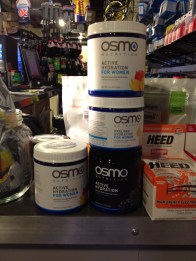
Osmo Nutrition for Women Cyclist at BikeParts.com
Over recent years, the number of women taking up cycling has dramatically increased and brands have recognized the need for women specific bicycle geometry by responding with female specific bikes that work with a woman’s body to provide the optimum platform for speed, and/or comfort depending upon the riders’ needs. But what about bike nutrition for women. Is that different too?
As a female cyclist, have you wondered about your on-bike nutritional needs? Are you getting the right stuff for you? Does it even matter? It’s a rhetorical question because we all know that nutrition matters. Our post, Solving the Bike Nutrition Mystery walks you through off-bike nutritional needs. However, consuming the right amount of calories combined with the appropriate nutritional mix for your body while training is critical for performance.
Until recently, most of the data regarding nutrition and training was collected about men. That’s great for the guys, but women have a distinct physiology with its own set of needs. In other words, what’s good for a man isn’t necessarily good for a woman. One difference is that women’s menstrual cycle can heavily influence athletic performance and fluctuate hormone levels. Detailed information on women’s cycles and how that pertains to training, performance and fueling for the female athlete can be found in the post Women Are Not Small Men: Factors to Consider For Performance and Nutrition for the Female Cyclist.
With all that being said, what are the best on-bike nutrition options available? Following are our favorites at Peak Cycles Bicycle Shop:
Osmo nutrition – This product is specific to women offering three options:
- active hydration
- acute recovery
- preload hydration
What we like about this product is that it is nutrition “based on peer-reviewed science. The science is simple. Hydration, which refers to the maintenance of water in your blood, is critical to maximizing power, endurance and reducing fatigue. When you’re thirsty, you’ve already lost two percent of your body water—and 11 percent of your power.” Stop by the shop in Golden, Colorado to learn more.
Another option is Skratch Labs. Again there are several options to sleet including:
- All day – daily electrolyte mix
- Single workout – exercise hydration mix
- Hyper nutrition – hyper hydration mix
- Rescue hydration – for dehydration
Finally, an all time favorite! Honey Stinger products – tasty edibles on the ride.
- waffles
- gels
- energy bars
- organic chews
The bottom line? The post, Male Versus Female Athletes, Part 1: Nutrition, points out that the off bike needs of men and women are surprisingly similar and it boils down to a solid nutrition plan that includes real whole foods. However, on bike / training nutritional needs may be quite different. Visit us online at BikeParts.com for your nutrition needs or stop by Peak Cycles Bicycle Shop in Golden, Colorado to learn more.
4 Comments | Peak Cycles Bicycle Shop | Tagged: bike nutrition, cycling nutrition, Honey Stinger products, male vs female athletes, Nutrition for the Female Cyclist, Osmo nutrition, Skratch labs, women cycling performance, women specific | Permalink
Posted by staffwriter8
March 19, 2015
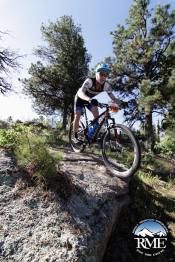 Spring riding and racing is just around the corner and athletes everywhere are starting to think about their “A” races as well as secondary races to use for training and motivation. A given rule of thumb is that all races provide experience, training benefits, and act as a stage to assess your form. Because of that, targeting a handful of high and low priority races and events throughout the year can be useful as learning experiences and opportunities to dial in nutritional needs and race strategies. The question for many is, where to start?
Use your 2015 cycling goals as your compass. We talk more about goals in our blog post, but the basic take away is to make your goals SMART. As in, specific, measurable, attainable, realistic and time-bound. With that being said, you need to pick the right events during the cycling season to help you best achieve those goals.
Notably, not all events are equal. Some are harder than others. One approach is to use different course profiles, distances, and bike part options to mindfully select A, B, and C type races according to your training plans and race goals. Keep this simple reminder in mind – when you’re working toward a goal that’s important to you, the last thing you want is to face an obstacle or unexpected challenge. A successful season starts off right by planning ahead, getting your mountain bike in order, as well as, getting the gear and cycling accessories you need.
Now, which races will you do? There are many tours, races, and events to choose from in Colorado. While this isn’t a comprehensive list, following are some of our upcoming favorite events at BikeParts.com.
Goudy Grinder – Wyoming – Sunday, May 31, 2015 – Registration open March 16th
40 in the fork – Fort Collins – Saturday, June 27, 2015 – Registration is open now. This event is considered “one of the Front Range’s toughest mountain bike races.”
Rocky Mountain Endurance Series – Colorado. This race series offers the best variety of mountain bike racing in Colorado. Great for beginners to experienced racers including different distances. The series begins kicks off in late April with the Ridgeline Rampage. Visit their site for registration and series information and check out our Sneak Peak to the RME Series.
MTB radio – endurance calendar. For those that enjoy epic, longer mountain bike events. Check out the MTB radio endurance calendar. Following are a few of the fun event on tap through May.
- April 18 – 6 Hours in Frog Hollow – Hurricane, UT
- April 23, Fruita Fat Tire Fest – Fruita
- April 25, Ridgeline Rampage – Castle Rock
- May 1, 18 Hours of Fruita – Fruita
- May 9, Desert RATS Classic – Fruita
- May 9, 12 Hours of Mesa Verde – Cortez
- May 9, Battle the Bear – Lakewood
- May 16, Dirty Double Fondo – Salida
- May 23, The Half Growler – Gunnison
- May 24, The Origional Growler – Gunnison
- May 29, Grand Junction Off-Road – Grand Junction
- May 30, PV Derby, Elbert
- May 31, The Great Bicycle Carnival for Kids on bikes
Planning your 2015 cycling season is a multi step process: Identify your cycling goals, dial in your bike, and select the events you are enthusiastic in participating. If you’re left questioning how to roll out your pre season training plan, well then, we’ve got you covered on that too. Check out our previous guides to get you training started or vista us at Peak Cycles Bicycle Shop.
1 Comment | Peak Cycles Bicycle Shop, Races | Tagged: 12 Hours of Mesa Verde, 18 Hours of Fruita, 2015 cycling season, 6 Hours in Frog Hollow, battle the bear, bike parts, Colorado racing season, cycling accessories, Desert RATS Classic, Forty in the Fork, Fruita Fat Tire Fest, Gowdy Grinder, Grand Junction Off-Road, mountain bike, MTB Radio Endurance Calendar, Ridgeline Rampage, road bike, Rocky Mountain Endurance Series, spring cycling, The Half Growler, The Origional Growler | Permalink
Posted by staffwriter8
March 12, 2015
BikeParts.com Gearing Up for 2015 Cycling Season
March 20th at 4:45 PM MDT marks the beginning of spring. While we have a few days to go and the warmer temps may not quite be here yet, cyclist are getting ready for the 2015 season.
You can feel it – enthusiasm is high! But, enthusiastic recreational riders and competitive athletes can make early season training errors. Namely, taking on too much physical activity too quickly. Going too fast, exercising for too long, or simply doing too much of one type of physical activity can strain your muscles and lead to an overuse injury. Understanding how to pace yourself while getting fit is crucial.
Yet, having the right bike setup, cycling accessories and gear makes all the difference too. Especially so if you have taken it easier over the winter months. Transitioning to more time in the saddle and longer rides on the bike can be either a pleasurable experience or a painful one! Here’s your guide to getting your bike and training in order for spring cycling.
Bike Inspections:
Does your bike have cobwebs on it from non use during the winter months? Now’s the time to dust it off, put some air in those tires and do a thorough bike inspection. It seems simple enough but there are some critical areas to pay attention.
What do you look for? Notice any bike parts that need to be replaced. Saddle injuries are the result of poor seat position, height, angle or design. While your saddle may look and feel fine, looks can be deceiving. Materials and composition deteriorate beyond what is visible. Also, neck, shoulder, and bike pain can result of an improper fitting bike. Handlebars, stems, and bike position all contribute to a rider’s stability, endurance, and safety. Make sure all is well before embarking on longer rides which could lead to lasting discomfort.
How important are brakes? Obviously, a lot! When you don’t have them, or they aren’t working properly, then you know the importance of well maintained brakes for your road or mountain bike. Sure, brakes help stop your bike but they also aid in redirecting the bike, navigating technical terrain, cornering, and overall balance. As the cycling season starts up, bike maintenance is essential. We’re happy to help you at Peak Cycles Bicycle Shop so bring your bike in for a spring tune up, or you can do bike maintenance at home. Demonstrated by our staff, at Peak Cycles Bike Shop, using the Avid Professional Bleed Kit are step by step instructions on how to bleed your mountain bike brakes for strong and reliable stopping power: Our Tips on Bleeding Brakes.
Another important component to spring riding is checking out your wheels. Unquestionably, wheels matter! They impact ride quality, ease of pedaling, reliability, and functionality. Spring is a great time to upgrade bicycle components. The question is, once you’ve decided it’s time for a wheel upgrade, how do you know how to select the best ones? Check our our video, Wheelset Buyer Guide: What You Need to Know.
As for mountain bike riders, you may be thinking about going tubeless. For anyone who wants higher performance and less flats but doesn’t mind a little extra installation time and maintenance, going tubeless is the best choice. The trick is having the right set up and knowing which bike parts or products to use. Again, stop by the shop to ask any questions or watch our video for help. GoingTubeless? How to use Stans NoTubes by BikeParts.com
Training and Racing:
Now that you have your bike dialed in, the next part of the equation is training. Do you have your 2015 goals in mind? Aside from the traditional goals to ride more, to lose weight, and to explore new rides, consider being a little more ambitious! Stretch yourself to reach new heights! Maybe create your own Spring training camp with friends or challenge yourself to 20 Colorado Front Range Bucket List Rides.
If you are a competitive cyclist, determine if you are race ready. The post, 5 Steps to Being Race Ready, reinforces the need for mental and physical preparation, as well as nutrition and bike parts checks, but part of racing is using your energy effectively – on and off the bike. Preparing mentally, physically, and being bike ready will ensure a successful start to the season. Our post, 5 Race Day Strategies for Spring Races in Colorado walks you step by step through the process of race preparation.
Nutrition:
As you approach your first race or long ride of the season, you may want to read the post, A Guide to Race Day Nutrition. While riding, many cyclist have different preferences as to how they prefer to get their fuel – whether that is in nutrition bars, gels, and liquids. However, oftentimes, a course may dictate other options. As in, for mountain bike riders, a technical course may present obstacles in taking solid food while riding versus taking fluids. Our post, Solving the Bike Nutrition Mystery and Training Peak’s post, Strategies For Optimum Recovery offer great suggestions to getting you on track for the nutritional demands of training and racing.
With a little preparation and planning, your pre season bike maintenance and training can pave the way for a long, healthy, and enjoyable 2015 cycling season.
Stop by Peak Cycles Bicycle Shop to pick up the bike parts you need to launch your best cycling season ever!
1 Comment | Peak Cycles Bicycle Shop, Videos | Tagged: Avid brakes, bike maintenance, bike parts, bleeding brakes, cycling accessories, handlebars, race day nutrition, saddle, spring cycling season, Spring Training Camp, tubeless | Permalink
Posted by staffwriter8
March 5, 2015
Nutrition matters. We all know it – but that doesn’t mean we eat and drink what we know we should. And as athletes, we suffer from these choices too. The symptoms of poor nutrition rears its ugly head in many ways: via muscle cramping, struggling to complete workouts, unsuccessful race efforts, and that nagging few pounds that doesn’t seem to drop off no matter what you do. As the Spring cycling season is right around the corner, now is the time to dial in your nutrition – on and off the bike. Here’s how.
As the weather improves, it makes it easier to increase your mileage and saddle time. Which also helps to slim down. The post,10 Ways to Manage Offseason Weight Control, offers easy options to keep the pounds off, as in, writing your food down in a food journal; consider the timing of your meals and intake; and limiting calories on easier exercise days. As we’ve written previously, there are also apps for cyclist to manage off-season gains. Another option is to opt for a different meal plan all together. Have you considered getting started with the Paleo diet? A quick approach is to add more vegetables and good fats to your diet.
Now, hydration. It seems it’s an overused word, but a post about nutrition would be incomplete without the discussion of hydration. For obvious reasons hydration is a huge topic in the summer months, but it’s also critical in the winter months as the post, Hydrating for Winter Training points out. Hydration planning is important prior to, during, and post workouts. Even more important, is dialing in your race nutrition. Early season is the time to experiment with your nutritional needs leading up the season.
As you approach your first race of the season, you may want to read the post, A Guide to Race Day Nutrition. While riding, many cyclist have different preferences as to how they prefer to get their fuel – whether that is in nutrition bars, gels, and liquids. However, oftentimes, a course may dictate other options. As in, for mountain bike riders, a technical course may present obstacles in taking solid food while riding versus taking fluids. Furthermore, as the post suggest, “having all of these different (nutrition) options can tend to create confusion and challenges for athletes as to which is ideal and which is best for them. In addition, choosing the right type of fuel depends on many factors such as duration, intensity and what type of activities such as cycling, running or multisport.” The end result: experimentation during training and early season will aid in dialing in proper race day nutrition for your “A” races and events.
But what happens when all the nutrition planning goes wrong? What if you have stomach issues while training and racing? How do you know what the cause is and what to do about it? As noted in, Stomach Issues while racing – Possible causes and solutions, poor pacing can easily lead to stomach issues, ingesting too many carbohydrates and or too much protein can be another possible cause for stomach issues, as well as too many surges within a long duration race can lead to a shutdown or at the least a slowdown of digestive ability.
Ultimately, solving the bike nutrition mystery is about using your early season training to dial in your bike, bike parts, and nutrition. Preparing well and listening to your body is the key to minimizing physical issues and optimizing training efforts for success later in the year.
8 Comments | Peak Cycles Bicycle Shop | Tagged: and liquids, Apps for Cyclists for Off-Season Fitness Gains, bike nutrition, gels, Hydrating for Winter Training, hydration, Manage Offseason Weight Control, nutrition, nutrition bars, Paleo Diet, race day nutrition | Permalink
Posted by staffwriter8
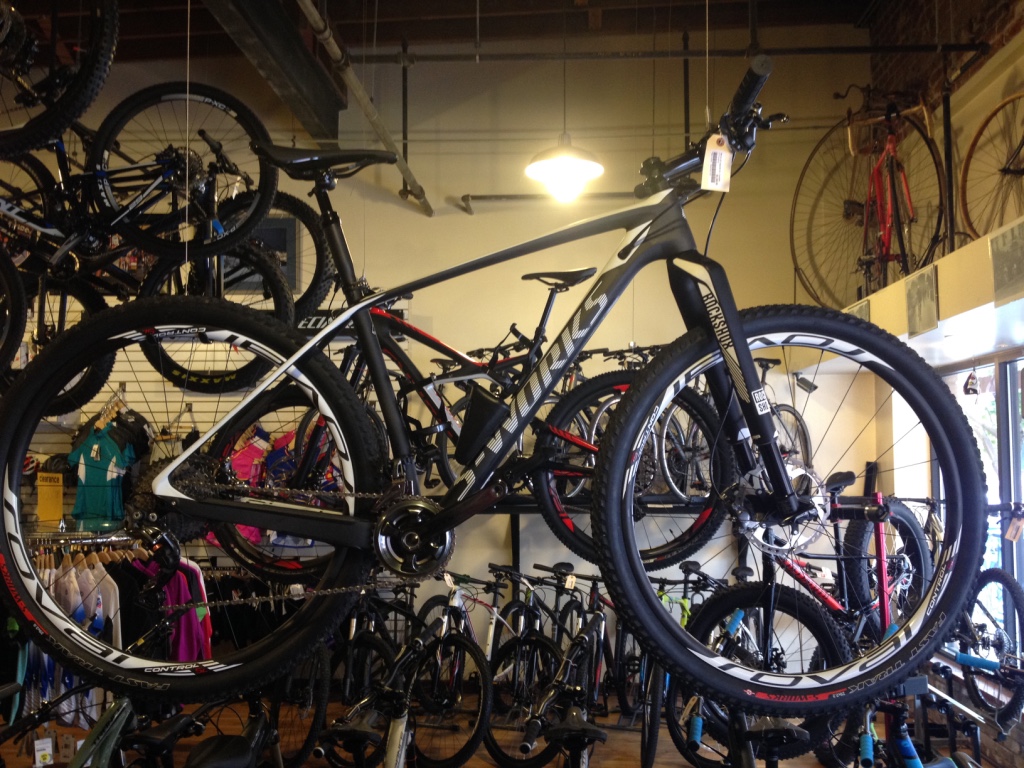

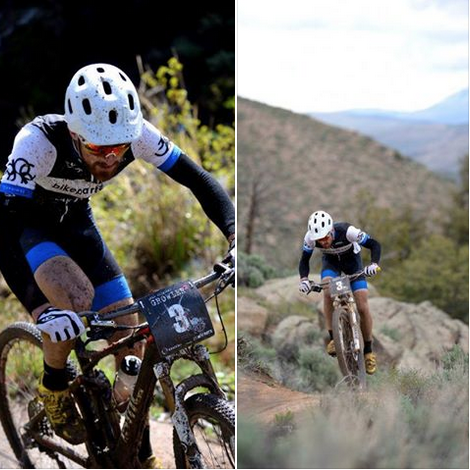



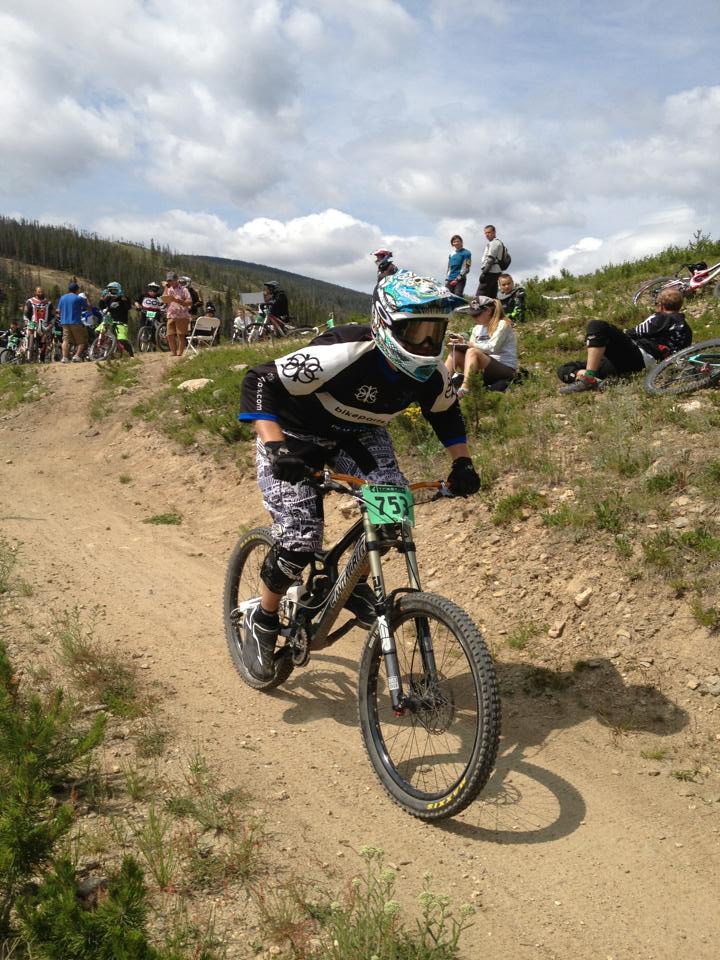


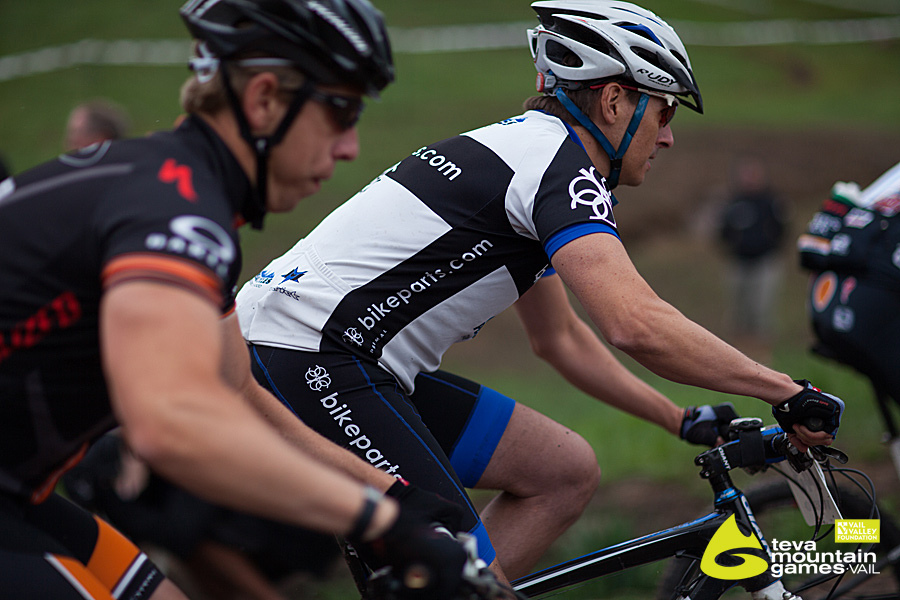

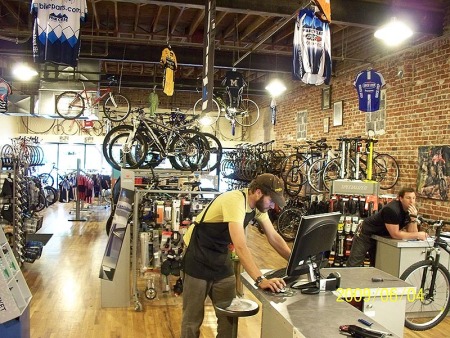
 Peak Cycles - BikeParts.com Blog