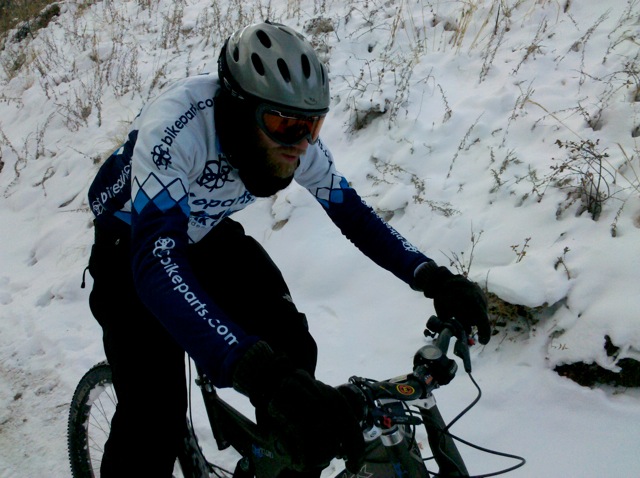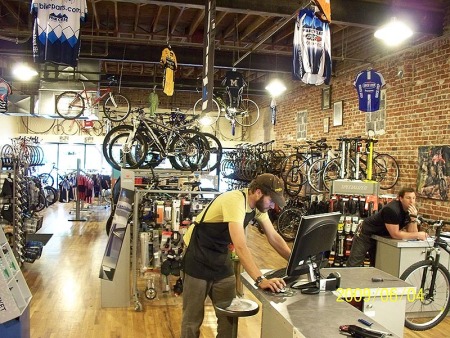
A Winning Combination: Colorado School of Mines Cycling Team and Peak Cycles Bicycle Shop

May 14, 2015
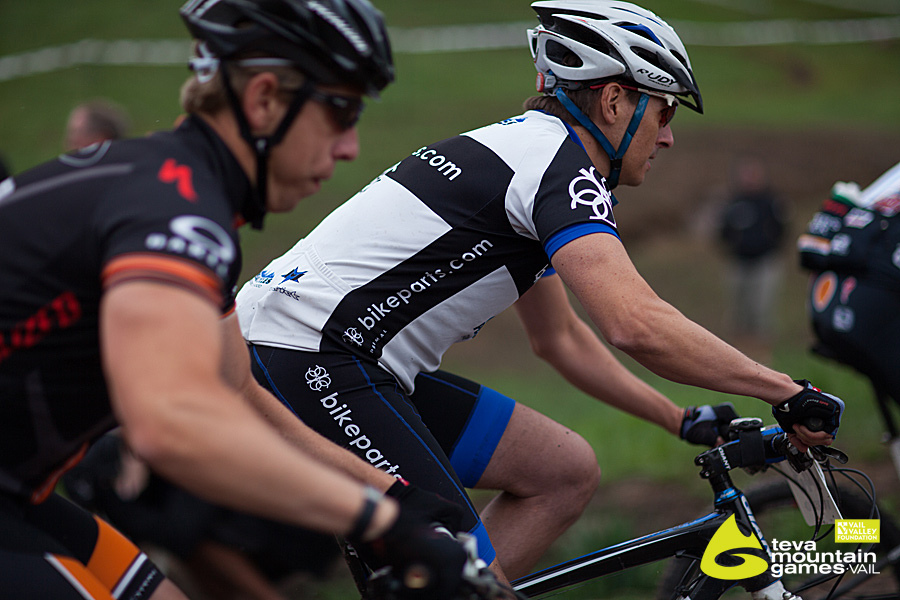
BikeParts.com - Proud supporters of CSM Cycling Team

BikeParts.com – Proud supporters of CSM Cycling Team

At Peak Cycles Bicycle shop, we recognize the importance of encouraging young people to ride bikes.  Sure, cycling is a fun, youthful activity; but it can also be a lifestyle choice that serves a greater purpose throughout the course of a person’s life.

Cycling, whether it is riding, training for competitive events, or a combination of both can be inspiring and empowering.   That’s why we support our many cycling teams and encourage them with a focus on principles and values; good sportsmanship, attitude and teamwork.  For us at Peak Cycles, it’s a great opportunity to reach the cycling community in Golden, Colorado.  

Last week, we introduced you to the  BikeParts.com – Peak Cycles Bicycle Shop 2015 Roster of Sponsored Cycling Teams.  This week we’d like to take a closer look and share the background and accomplishments of one of those teams – Colorado School of Mines Cycling Team.

First, a brief history of the team.  “There is a long history of cycling at the Colorado School of Mines. The school fielded strong club teams in the 1970’s and 1980’s and hosted the Collegiate Cyclocross National Championships in the area where Mines Park now stands in the 1980’s. The club was somewhat stagnant in the early 2000‘s until 2005 when a new group of motivated riders came to CSM and began rebuilding the cycling tradition at Mines. Since then, the team has become a perennial force in collegiate cycling, with many individual national champions and the 2007 Mountain Bike Team Omnium National Title. The team has not finished off of the podium at the Collegiate Mountain Bike National Championships since first attending in 2006.”

Just this past weekend at the 2015 Road Cycling Nationals, the team secured many accomplishments:

  • The team placed 2nd in men’s DII Team Time Trial
  • Team member Chad Young finished 3rd in DII Individual Time Trial
  • Team member Andrew Hemesath placed 3rd in Collegiate Nationals Criterium
  • Team member Andrew Hemesath placed 6th in Men’s DII Road Race

As impressive as those results are, success isn’t new to the team.  “The CSM Cycling Team has grown into a perennial powerhouse in collegiate cycling since its rebirth in 2005. Highlights have included the 2007 Mountain Bike Team Omnium National title, 7 individual national titles, 8 team podium appearances at national championships, and 28 individual podium appearances at national championships.”

But it isn’t just about accomplishments that make this team special.  Like us at Peak Cycles Bicycle Shop, they support the local community. Annually, Mines holds the annual Oredigger classi  in March which includes a hill climb, street sprints, and criterium.

As supporters of this team, we proudly offer the best selection of bike parts and components for road cycling and bike parts for their mountain bike racing.  Join us in cheering them on this season!  Follow them on Facebook and on Twitter @minescycling.


Inspire New Cyclist! Share the Cycling Love this Bike Month

April 30, 2015

10623813_987186804692036_6260883211829631960_oAs cyclist, we know the more we ride, the more we want to ride!  So, how can you make cycling get even better?  Make a whole month celebration of it!  Whether you bike to work or school; ride to save money or time; pump those pedals to preserve your health or the environment; or simply to explore your community, May is National Bike Month and is an opportunity to celebrate the unique power of the bicycle and the many reasons we ride.

As cyclist, we experience the benefits that cycling has to offer but to those new to the sport, embarking in unfamiliar territory may seem a tad intimidating.  National Bike Month is an opportunity to inspire others to our sport.  Fortunately, bike commuting is on the rise!  In fact, among the 51 largest U.S. cities, 43 hosted Bike to Work Day events in 2010. The City of Denver reported the highest rate of participation with one out of every 28 adults participating in its 2010 Bike to Work event. That effort makes a difference: Many people who participate in their Bike to Work Day promotion as first-time commuters become regular bike commuters. But Bike Month is more than one day — or week! It’s an entire month!

There are countless ways to inspire others to bike commute, ride, or race this month.  See which activities inspire you to help others enjoy our fabulous sport!

Inspire with a bike-friendly shopping program.  Everyone likes to shop, right?  Inspire new cyclist with bike parts bling!  Many aspiring bike riding enthusiast appreciate a shop that offers quality bike components along with solid advice on bike parts and cycling apparel. Convenience helps too.  Look for a shop that offers online and store front shopping to aid in your cyclist needs.  Fortunately, Peak Cycles offers both!

Inspire with bike education programs.  Having the right bike setup, cycling accessories and gear makes all the difference.  Consider offering a bike safety class for new riders or participate in a bike maintenance class.   All tools aren’t created equal – some are good for mountain bike parts while others are designed for road bike parts.  Knowing which tools to use on the appropriate bike components can make all the difference in making bike maintenance easy.  Our post, Bike Inspections: A Guide for Injury Free, Enjoyable Spring Cycling, offers bike inspection tips and bike accessories you need to maintain your bike.

Inspire with a list of rides and events.  Colorado has some of the greatest road bike rides in the country. Some are shorter, convenient rides whereas others offer steeper, longer climbs and extended distances. Locals and vacationers alike welcome the challenge of pushing the limits while taking in breathtaking views that only Colorado has to offer. Inspire new riders by checking out a few of 20 Colorado Front Range Bucket List Rides or invite them to spectate at one of the MTB races in Colorado.

Inspire with bike events!  Check out one of the events held in your area.  The League of American Bicyclist has countless events scheduled. Keep in mind, in 2015, Bike to Work Week will be May 11-15, with Bike to Work Day on May 15.  To  keep the momentum going, join our shop ride on Wednesday evenings and like our Peak Cycles Race Team Facebook page to keep informed of other rides and events.

Have fun, be active! Enjoy and inspire others to enjoy the outdoors and experience the joy of cycling this National Bike Month!


Mental Skill Drills to Bring Your A Game to the Spring Cycling Season

April 23, 2015
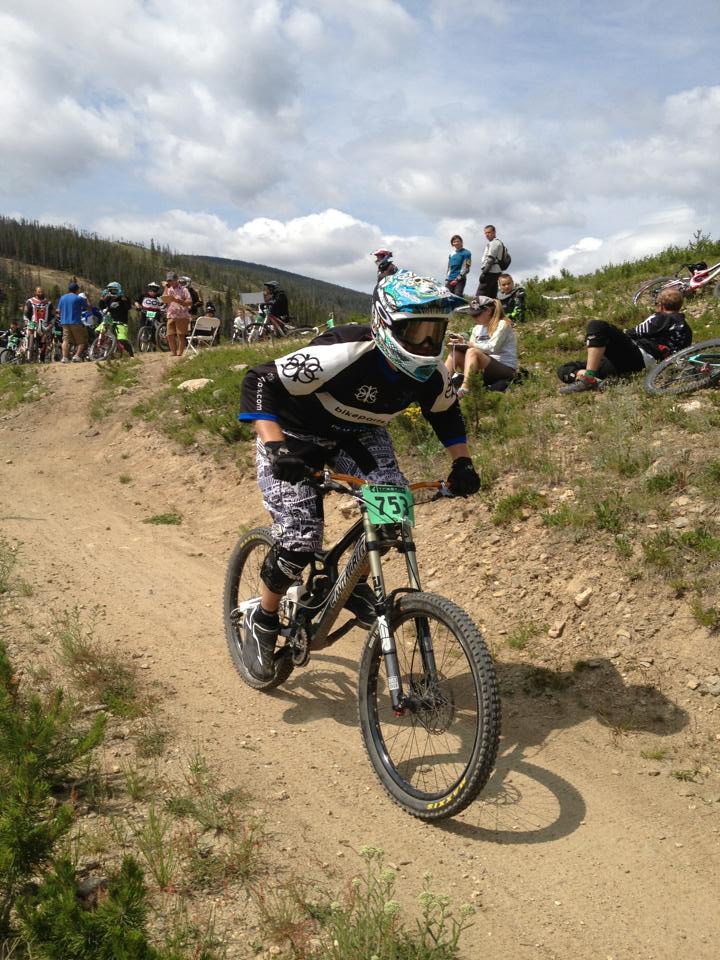
John Luif of BikeParts.com racing in Winter Park

John Luif racing in Winter Park

When we catch ourselves visualizing or fantasying about racing, winning or accomplishing something big in our race dreams, rarely do we visualize ourselves falling apart.  On the contrary, we view the victory as coming rather easily.  Even if the scene involves us digging to the depths of our inner being to pull something out of nothing, that agonizing pull from our inner selves is viewed in fantasy world as masterfully manifested.  In real life, we all know it doesn’t actually work like that.  Many of us can suffer but there are breaking points and limitations to the line we cross.  The mechanism that enables us to reach deeper within ourselves is mental toughness.

As described in the post, Developing Mental Toughness: Are you Tough Enough?, “mental toughness is your ability to persevere in the face of challenges, to keep going even when things get hard, and to have an unrelenting commitment to your goals. When you develop your mental toughness, obstacles are only temporary and one bad performance doesn’t shake your belief in your ability.”

The Spring Racing Season in Colorado is here! With upcoming events like the Karen Hornbostel Memorial Time Trial Series, Rocky Mountain Endurance Series, and Fruita Fat Tire Festival, road and mountain bike racers are ready to ride.  But, don’t think that just showing up on the line is enough.  Preparing mentally, physically, and being bike ready will ensure a successful start to the season.  Following are 4 mental skill drills to bring your a game to the spring cycling season.

Set Goals – For some, early season races are just about getting harder efforts in and saddle time.  However, having defined goals can help reduce pre race anxiety and also help you better evaluate your performance post race.  Identify what you want to accomplish with this event whether it be a targeted heart rate or power zone, a solid nutrition plan, or attacking certain areas on the race course.  Bio feedback is important in early season races.  Why?  Think about it.  We’ve all had those moments when we swear we’re cranking it out on the bike, giving it all we’ve got, leaving it all on the table –  and then – we finish the ride and think, I’ve got more in the tank! I didn’t leave it all out there!  So, how can you tell that you’re working hard enough?   Use cycling accessories that are available to you – as in power meters and /or heart rate monitors.  Our post, The Best Training Aids to Launch into Spring Cycling, dives into the benefits of training with power. You may also want to check out our post, Heart Rate Training – What You Need to Know for our staff picks at Peak Cycles Bike Shop.

Set Your Nutrition – As you approach your first race of the season, you may want to read the post, A Guide to Race Day Nutrition.  Many cyclist have different preferences as to how they prefer to get their fuel – whether that nutrition is in bars, gels, and liquids. However, oftentimes, the course may dictate other options.  As in, for mountain bike riders, a technical course may present obstacles in taking solid food while riding versus taking fluids.  Furthermore, as the post suggest, “having all of these different (nutrition) options can tend to create confusion and challenges for athletes as to which is ideal and which is best for them. In addition, selecting the right type of fuel depends on many factors such as duration, intensity and what type of activities such as cycling, running or multi sport.” The end result: experimentation during training and early season races will aid in dialing in proper race day nutrition for your “A” races and events.

Get Race Ready – The post, 5 Steps to Being Race Ready, reinforces the need for mental and physical preparation, as well as nutrition and bike parts checks, but part of racing is using your energy effectively – on and off the bike.  Balancing work, family responsibilities, training and racing is a key component to being mentally and physically ready to tackle the demands of early season races.  As you transition from winter training to spring racing, your mental and physical demands will change.  You need to have a transition plan in place to find balance in your life as the cycling season demands more and more of your time.

Get Your Bike Race Ready – It’s obvious, but often overlooked with the excitement of a race – but that is getting your bike ready to race. Notice any bike parts that need to be replaced.  Saddle injuries are the result of poor seat position, height, angle or design.  While your saddle  may look and feel fine, looks can be deceiving.  Materials and composition deteriorate beyond what is visible.  Also, neck, shoulder, and bike pain can result of an improper fitting bike.  Handlebarsstems, and bike position all contribute to a rider’s stability, endurance, and safety. Make sure all is well before embarking on longer rides and races which could lead to lasting discomfort.

How important are brakes?  Obviously, a lot!  When you don’t have them, or they aren’t working properly, then you know the importance of well maintained brakes for your road or mountain bike.  Sure, brakes help stop your bike but they also aid in redirecting the bike, navigating technical terrain, cornering, and overall balance.  As the cycling season starts up, bike maintenance is essential.  We’re happy to help you at Peak Cycles Bicycle Shop so bring your bike in for a spring tune up, or you can do bike maintenance at home.  Demonstrated by our staff, at Peak Cycles Bike Shop, using the Avid Professional Bleed Kit are step by step instructions on how to bleed your mountain bike brakes for strong and reliable stopping power: Our Tips on Bleeding Brakes.

Another important component to spring riding is checking out your wheels.  Unquestionably, wheels matter!  They impact ride quality, ease of pedaling, reliability, and functionality.  Spring is a great time to upgrade bicycle components.  The question is, once you’ve decided it’s time for a wheel upgrade, how do you know how to select the best ones? Check our our video, Wheelset Buyer Guide: What You Need to Know.

As for mountain bike riders, you may be thinking about going tubeless. For anyone who wants higher performance and less flats but doesn’t mind a little extra installation time and maintenance, going tubeless is the best choice.  The trick is having the right set up and knowing which bike parts or products to use.  Again, stop by the shop to ask any questions or watch our video for help. GoingTubeless? How to use Stans NoTubes by BikeParts.com

With a little preparation and planning, bringing your A Game to you early season racing can pave the way for a long, healthy, and enjoyable 2015 cycling season.  Stop by Peak Cycles Bicycle Shop to pick up the bike parts you need to launch your best cycling season ever!


How Smart Cyclists Spend Their Tax Refund Money Wisely

April 16, 2015

Tax Refund Money for Bike PartsYou’ve worked hard the past year and expect a healthy tax refund from the government. With anticipation, you’re thinking of how to spend that money wisely.  Maybe you’re thinking you should save that money, put it in the bank, or invest in those long over due house projects.  Yet, the other side of you is taunting you with images of bike parts and bike purchases.  You might even feel these ideas are a guilty pleasure.  However, spending your tax refund money on a new mountain bike or a road bike, or even cycling accessories, does more for your health and longevity than you know.

Investing in your cycling regime is an investment in you.  Physical activity  can improve your health and reduce the risk of developing several diseases like type 2 diabetes, cancer and cardiovascular disease. Physical activity and exercise can have immediate and long-term health benefits. Most importantly, regular activity can improve your quality of life.  With that being said, investing in your bike and cycling program is a great way to spend your tax refund wisely. Enjoy our top 5 ways to do just that!

1. Get a Fat Bike!
Peak Cycles Bicycle Shop is passionate about fat bikes in the winter months but they can actually be ridden year round! They are fun and versatile bikes that can be used in almost any terrain.  We have found the Specialized Fatboy to be a highly rated, mid-range fat bike that is usable for a wide range of ages and skill-levels.  The fun isn’t exclusive to adults either!  Specialized has also created a 20” and 24” Fatboy for kids at half the price of a full sized Fat Boy.  If you’re not sure a fat bike is for you, demo one!  Book a fat bike demo today and up the giggle factor to your normal riding program. Who can’t smile while riding a fat bike?

2. Get New Bike Parts!
So many bike parts – the question is what to purchase?  Consider getting a high quality wheel set.  A good wheel set impacts ride quality, ease of pedaling, reliability, and functionality.  Maybe purchase some new, lighter tires for your wheels. Another option is to reconsider the current crank set and pedals setup.  Who can’t justify spending tax refunds on losing lighter handlebars, a lighter saddle, and seat post?

3. Get a Power Meter!
The main idea behind using cycling training tools is to dial in your training to optimize your performance as it relates to your goals and objectives. Our post, The Best Training Aids to Launch into Spring Cycling, dives into the benefits of training with power. As for our favorite power meter options, our most popular are Stages Power Meters beginning at $1000. Stages Power meter is the lightest, smallest, most technologically advanced unit available today.  Another option is the Pioneer Power Meter offered at $2000 and is a bit more sophisticated.  A third favorite is a company that’s been around for a while now – PowerTap Power Meter.

4. Get Cycling Accessories!
Maybe your refund check wasn’t as large as you wanted it to be?  This doesn’t exempt you from spending money on quality bike parts – it just means you might spend less.  Items for purchase in this category include a variety of cycling apparel: jerseys, shorts, tights, jacket, cycling shoes.

5. Get a Bike Fit!
A bike fit isn’t just for professional riders – they are for anyone who rides whether they are a beginner or advanced rider. A bike fit helps ensure riding comfort but it also impacts technique which is crucial to preventing overuse injuries and how an athlete rides. We can help you use your refund dollars wisely.  Not only can we help you with the fit, but we carry all the bike parts required to get your bike in the very best setup for your riding needs. Give us a call (303) 216-1616 or stop by the shop in Golden to schedule your bike fit.

Considering how regular physical activity can produce long term health benefits, investing your tax refund dollars in your cycling program couldn’t be a wiser choice!


How to Use Spring Training Tools – The Importance of Not Going Out Too Hard Too Fast

April 9, 2015

Bike Fits at Peak Cycles Bicycle ShopAs the temperature gets warmer, the days grow longer, and the weather improves, cyclists everywhere are beckoned to ride their bikes.  While some may have trained through the winter months, many have not.  And the alluring call of gorgeous spring days lures many unprepared cyclist to ride too hard, too fast which can lead to injuries or a set back in the 2015 cycling season.

Whether you are planning to ride a century, multi-day rides, race or aspire to longer or more frequent rides in 2015, monitoring your early season training sets the stage for a successful year ahead.

Key points to keep in mind include training intensity, duration, and frequency.  There are coaches and coaching plans to assist with specific and customized training.  Or, you can create your own training program.

Regardless of your approach, for precise bio feedback to align your training plan, you’ll need to use cycling accessories available to you – as in power meters and /or heart rate monitors.  Early season training lends itself to “false” feedback.  Meaning, because you may be fresh, your perceived effort on the bike may be low causing you to push too hard, too soon, and then training suffers later due to increased recovery time or even injury.  By monitoring your efforts with specific data, you objectively know when you are pushing beyond your targeted indictors, as well as, when you aren’t pushing hard enough.  This allows your body to adjust to increased training load over time and in a manner that meets your 2015 cycling season goals.

Our post, The Best Training Aids to Launch into Spring Cycling, dives into the benefits of training with power. You may also want to check out our post, Heart Rate Training – What You Need to Know for our staff picks at Peak Cycles Bike Shop.  You can also learn steps in discovering your “threshold” heart rate range, setting up heart rate training zones, and identifying the daily variables that affect heart rate.

An often overlooked, yet incredibly powerful tool for improved cycling is a bike fit.   If you haven’t ridden much through the winter, now is the best time for a bike fit.  Why?  Because your body is unaccustomed to the riding position.  You have an opportunity to optimize your position and make needed upgrades to your road bike or mountain bike.  Think of it this way – leg strength, endurance, and fitness are at the heart of cycling speed, but without a proper bike fit, you are sabotaging your training efforts.  In a sport based on such a highly repetitive action, like pedaling, the first line of defense against injury is a proper bike fit.  And, a bike fit goes beyond just setting saddle height and bar reach. To get the most enjoyment and reward from your training programs it’s critical to dial in the fit and confirm you have the right bike parts for optimal performance.

There are countless more ways training tools can aid in your spring cycling training.  We’ve mentioned power training and heart rate training, but also consider the importance of nutrition and recovery.  The main goal of them all is to assist you in dialing in your training to optimize your performance as it relates to your goals and objectives.

Do you need help figuring out which one is best for you?  Visit us at Peak Cycles Bicycle Shop in Golden, Colorado or ask us on Twitter.


The Best Training Aids to Launch into Spring Cycling 

April 2, 2015

The main idea behind using cycling training tools is to dial in your training to optimize your performance as it relates to your goals and objectives.  Easy enough, right?  Yet, the market is saturated with countless training aids including trainers, cycling software, DVD’s, CompuTrainers, nutrition, supplements, compression, and the list goes on.  Which ones do you need?  Which ones will deliver the biggest bang for the buck?  While each cyclist has their personal preference, following are the top 3 training aids we find most helpful.

Power
Why train with power?  It’s all about “balancing how much work you do with your body’s response.” It’s the best way to measure work and intensity, as in, Power (watts) = Torque (how hard you pedal) x Cadence (how fast you pedal).  “Doing too much work means injury and overtraining risk. Too little means you’re not getting the maximum benefits you want. When power is measured your training becomes that much more effective.”  At Peak Cycles Bicycle Shop, we’ve found the benefits of training with power include

Establishing your baseline fitness

Accurately measuring even the smallest fitness gains

Quantifying intensity, duration and frequency – instead of guessing

Prevention of overtraining

Accurately measuring energy use for nutrition planning

Proper pacing for time trials 

Sounds great!  And it is!  In the recent past, training with power was outside of the price range for most cyclist.  However, times have changed and power meters are much more affordable.  Our most popular are Stages Power Meters beginning at $1000.  Stages Power meter is the lightest, smallest, most technologically advanced unit available today.  Another option is the Pioneer Power Meter offered at $2000 and is a bit more sophisticated.  A third favorite is a company that’s been around for a while now – PowerTap Power Meter.

Heart Rate Training
Heart rate training has been viewed in many ways over the years, from very precise to not so precise. Now, a growing number of coaches and exercise physiologists support the use of heart rates as an important part of biological feedback, as heart rates are a direct reflection of what is happening internally.  The post, The Variables and Trends of Heart Rate Training,  walks you through the steps of learning your “threshold” heart rate range, setting up heart rate training zones, and identifying the daily variables that affect heart rate.  A heart rate monitor can be a great bio feedback tool and also help you to monitor your fitness, prevent overtraining, and take your performance to the next level.

Nutrition
Many cyclist have different preferences as to how they prefer to get their fuel – whether that is in nutrition bars, gels, and liquids. The main thing about nutrition is that regardless of how you get your calories in on the bike is one thing, but making sure you actually do it –  is critical!  No one wishes for a bonk!  Read up on some recent posts we’ve shared on nutrition to see which options are best for you.

Last but not least, do you need help figuring out which training aid is best for you? We’re happy to help! Visit us at Peak Cycles Bicycle Shop in Golden, Colorado or ask us on Twitter.


On Bike Nutrition: It’s Different for Girls 

March 26, 2015
Osmo Nutrition for Women Cyclist at BikeParts.com

Osmo Nutrition for Women Cyclist at BikeParts.com

Over recent years, the number of women taking up cycling has dramatically increased and brands have recognized the need for women specific bicycle geometry by responding with female specific bikes that work with a woman’s body to provide the optimum platform for speed, and/or comfort depending upon the riders’ needs. But what about bike nutrition for women.  Is that different too?  

As a female cyclist, have you wondered about your on-bike nutritional needs? Are you getting the right stuff for you? Does it even matter?  It’s a rhetorical question because we all know that nutrition matters.  Our post, Solving the Bike Nutrition Mystery walks you through off-bike nutritional needs.  However, consuming the right amount of calories combined with the appropriate nutritional mix for your body while training is critical for performance.

Until recently, most of the data regarding nutrition and training was collected about men. That’s great for the guys, but women have a distinct physiology with its own set of needs. In other words, what’s good for a man isn’t necessarily good for a woman. One difference is that women’s menstrual cycle can heavily influence athletic performance and fluctuate hormone levels.  Detailed information on women’s cycles and how that pertains to training, performance and fueling for the female athlete can be found in the post Women Are Not Small Men: Factors to Consider For Performance and Nutrition for the Female Cyclist

With all that being said, what are the best on-bike nutrition options available?  Following are our favorites at Peak Cycles Bicycle Shop:

Osmo nutrition – This product is specific to women offering three options:

  • active hydration
  • acute recovery
  • preload hydration

What we like about this product is that it is nutrition “based on peer-reviewed science. The science is simple. Hydration, which refers to the maintenance of water in your blood, is critical to maximizing power, endurance and reducing fatigue. When you’re thirsty, you’ve already lost two percent of your body water—and 11 percent of your power.”  Stop by the shop in Golden, Colorado to learn more.

Another option is Skratch Labs.  Again there are several options to sleet including:

  • All day – daily electrolyte mix
  • Single workout – exercise hydration mix
  • Hyper nutrition – hyper hydration mix
  • Rescue hydration – for dehydration

Finally, an all time favorite!  Honey Stinger products – tasty edibles on the ride.  

  • waffles
  • gels
  • energy bars
  • organic chews

The bottom line? The post, Male Versus Female Athletes, Part 1: Nutrition,  points out that the off bike needs of men and women are surprisingly similar and it boils down to a solid nutrition plan that includes real whole foods.  However, on bike / training nutritional needs may be quite different.  Visit us online at BikeParts.com for your nutrition needs or stop by Peak Cycles Bicycle Shop in Golden, Colorado to learn more.


Spring MTB Racing in Colorado – Events to Plan Your 2015 Cycling Season

March 19, 2015

Peak Cycles Race TeamSpring riding and racing is just around the corner and athletes everywhere are starting to think about their “A” races as well as secondary races to use for training and motivation.  A given rule of thumb is that all races provide experience, training benefits, and act as a stage to assess your form. Because of that, targeting a handful of high and low priority races and events throughout the year can be useful as  learning experiences and opportunities to dial in nutritional needs and race strategies.  The question for many is, where to start?

Use your 2015 cycling goals as your compass.  We talk more about goals in our blog post, but the basic take away is to make your goals SMART.  As in, specific, measurable, attainable, realistic and time-bound.   With that being said, you need to pick the right events during the cycling season to help you best achieve those goals.

Notably, not all events are equal.  Some are harder than others.  One approach is to use different course profiles, distances, and bike part options to mindfully select A, B, and C type races according to your training plans and race goals.  Keep this simple reminder in mind – when you’re working toward a goal that’s important to you, the last thing you want is to face an obstacle or unexpected challenge.  A successful season starts off right by planning ahead, getting your mountain bike in order, as well as, getting the gear and cycling accessories you need.

Now, which races will you do?  There are many tours, races, and events to choose from in Colorado.  While this isn’t a comprehensive list, following are some of our upcoming favorite events at BikeParts.com.

Goudy Grinder – Wyoming – Sunday, May 31, 2015 – Registration open March 16th

40 in the fork – Fort Collins – Saturday, June 27, 2015 – Registration is open now.  This event is considered “one of the Front Range’s toughest mountain bike races.”

Rocky Mountain Endurance Series – Colorado.  This race series offers the best variety of mountain bike racing in Colorado.  Great for beginners to experienced racers including different distances.  The series begins kicks off in late April with the Ridgeline Rampage.  Visit their site for registration and series information and check out our Sneak Peak to the RME Series.  

MTB radio – endurance calendar.  For those that enjoy epic, longer mountain bike events.  Check out the MTB radio endurance calendar. Following are a few of the fun event on tap through May.

  • April 18 – 6 Hours in Frog Hollow – Hurricane, UT
  • April 23, Fruita Fat Tire Fest – Fruita
  • April 25, Ridgeline Rampage – Castle Rock
  • May 1, 18 Hours of Fruita – Fruita
  • May 9, Desert RATS Classic – Fruita
  • May 9, 12 Hours of Mesa Verde – Cortez
  • May 9, Battle the Bear – Lakewood
  • May 16, Dirty Double Fondo – Salida
  • May 23, The Half Growler – Gunnison
  • May 24, The Origional Growler – Gunnison
  • May 29, Grand Junction Off-Road – Grand Junction
  • May 30, PV Derby, Elbert
  • May 31, The Great Bicycle Carnival for Kids on bikes

Planning your 2015 cycling season is a multi step process: Identify your cycling goals, dial in your bike, and select the events you are enthusiastic in participating.  If you’re left questioning how to roll out your pre season training plan, well then, we’ve got you covered on that too.   Check out our previous guides to get you training started or vista us at Peak Cycles Bicycle Shop.


The 2015 Training Guide for Cyclist

March 12, 2015
BikeParts.com Gearing Up for 2015 Cycling Season

BikeParts.com Gearing Up for 2015 Cycling Season

March 20th at 4:45 PM MDT marks the beginning of spring.  While  we have a few days to go and the warmer temps may not quite be here yet, cyclist are getting ready for the 2015 season.  

You can feel it – enthusiasm is high!  But, enthusiastic recreational riders and competitive athletes can make early season training errors.  Namely, taking on too much physical activity too quickly. Going too fast, exercising for too long, or simply doing too much of one type of physical activity can strain your muscles and lead to an overuse injury. Understanding how to pace yourself while getting fit is crucial.

Yet, having the right bike setup, cycling accessories and gear makes all the difference too.  Especially so if you have taken it easier over the winter months. Transitioning to more time in the saddle and longer rides on the bike can be either a pleasurable experience or a painful one!  Here’s your guide to getting your bike and training in order for spring cycling.

Bike Inspections:
Does your bike have cobwebs on it from non use during the winter months?  Now’s the time to dust it off, put some air in those tires and do a thorough bike inspection.  It seems simple enough but there are some critical areas to pay attention.

What do you look for? Notice any bike parts that need to be replaced.  Saddle injuries are the result of poor seat position, height, angle or design.  While your saddle  may look and feel fine, looks can be deceiving.  Materials and composition deteriorate beyond what is visible.  Also, neck, shoulder, and bike pain can result of an improper fitting bike.  Handlebarsstems, and bike position all contribute to a rider’s stability, endurance, and safety. Make sure all is well before embarking on longer rides which could lead to lasting discomfort.

How important are brakes?  Obviously, a lot!  When you don’t have them, or they aren’t working properly, then you know the importance of well maintained brakes for your road or mountain bike.  Sure, brakes help stop your bike but they also aid in redirecting the bike, navigating technical terrain, cornering, and overall balance.  As the cycling season starts up, bike maintenance is essential.  We’re happy to help you at Peak Cycles Bicycle Shop so bring your bike in for a spring tune up, or you can do bike maintenance at home.  Demonstrated by our staff, at Peak Cycles Bike Shop, using the Avid Professional Bleed Kit are step by step instructions on how to bleed your mountain bike brakes for strong and reliable stopping power: Our Tips on Bleeding Brakes

Another important component to spring riding is checking out your wheels.  Unquestionably, wheels matter!  They impact ride quality, ease of pedaling, reliability, and functionality.  Spring is a great time to upgrade bicycle components.  The question is, once you’ve decided it’s time for a wheel upgrade, how do you know how to select the best ones? Check our our video, Wheelset Buyer Guide: What You Need to Know.  

As for mountain bike riders, you may be thinking about going tubeless. For anyone who wants higher performance and less flats but doesn’t mind a little extra installation time and maintenance, going tubeless is the best choice.  The trick is having the right set up and knowing which bike parts or products to use.  Again, stop by the shop to ask any questions or watch our video for help. GoingTubeless? How to use Stans NoTubes by BikeParts.com  

Training and Racing:
Now that you have your bike dialed in, the next part of the equation is training.  Do you have your 2015 goals in mind?  Aside from the traditional goals to ride more, to lose weight, and to explore new rides, consider being a little more ambitious!  Stretch yourself to reach new heights!  Maybe create your own Spring training camp with friends or challenge yourself to 20 Colorado Front Range Bucket List Rides.  

If you are a competitive cyclist, determine if you are race ready.  The post, 5 Steps to Being Race Ready, reinforces the need for mental and physical preparation, as well as nutrition and bike parts checks, but part of racing is using your energy effectively – on and off the bike.  Preparing mentally, physically, and being bike ready will ensure a successful start to the season.  Our post, 5 Race Day Strategies for Spring Races in Colorado walks you step by step through the process of race preparation. 

Nutrition:
As you approach your first race or long ride of the season, you may want to read the post, A Guide to Race Day Nutrition.  While riding, many cyclist have different preferences as to how they prefer to get their fuel – whether that is in nutrition bars, gels, and liquids. However, oftentimes, a course may dictate other options.  As in, for mountain bike riders, a technical course may present obstacles in taking solid food while riding versus taking fluids.   Our post, Solving the Bike Nutrition Mystery and Training Peak’s post, Strategies For Optimum Recovery offer great suggestions to getting you on track for the nutritional demands of training and racing.

With a little preparation and planning, your pre season bike maintenance and training can pave the way for a long, healthy, and enjoyable 2015 cycling season.

Stop by Peak Cycles Bicycle Shop to pick up the bike parts you need to launch your best cycling season ever!


Solving the Bike Nutrition Mystery

March 5, 2015

Nutrition matters.  We all know it – but that doesn’t mean we eat and drink what we know we should.  And as athletes, we suffer from these choices too.  The symptoms of poor nutrition rears its ugly head in many ways: via muscle cramping, struggling to complete workouts, unsuccessful race efforts, and that nagging few pounds that doesn’t seem to drop off no matter what you do.  As the Spring cycling season is right around the corner, now is the time to dial in your nutrition – on and off the bike.  Here’s how.

As the weather improves, it makes it easier to increase your mileage and saddle time.  Which also helps to slim down.  The post,10 Ways to Manage Offseason Weight Control, offers easy options to keep the pounds off, as in, writing your food down in a food journal; consider the timing of your meals and intake; and limiting calories on easier exercise days.  As we’ve written previously, there are also apps for cyclist to manage off-season gains.  Another option is to opt for a different meal plan all together.  Have you considered getting started with the Paleo diet?  A quick approach is to add more vegetables and good fats to your diet.

Now, hydration. It seems it’s an overused word, but a post about nutrition would be incomplete without the discussion of hydration.  For obvious reasons hydration is a huge topic in the summer months, but it’s also critical in the winter months as the post, Hydrating for Winter Training points out.  Hydration planning is important prior to, during, and post workouts. Even more important, is dialing in your race nutrition.  Early season is the time to experiment with your nutritional needs leading up the season.

As you approach your first race of the season, you may want to read the post, A Guide to Race Day Nutrition.  While riding, many cyclist have different preferences as to how they prefer to get their fuel – whether that is in nutrition bars, gels, and liquids. However, oftentimes, a course may dictate other options.  As in, for mountain bike riders, a technical course may present obstacles in taking solid food while riding versus taking fluids.  Furthermore, as the post suggest, “having all of these different (nutrition) options can tend to create confusion and challenges for athletes as to which is ideal and which is best for them. In addition, choosing the right type of fuel depends on many factors such as duration, intensity and what type of activities such as cycling, running or multisport.” The end result: experimentation during training and early season will aid in dialing in proper race day nutrition for your “A” races and events.

But what happens when all the nutrition planning goes wrong? What if you have stomach issues while training and racing?  How do you know what the cause is and what to do about it? As noted in, Stomach Issues while racing – Possible causes and solutions, poor pacing can easily lead to stomach issues, ingesting too many carbohydrates and or too much protein can be another possible cause for stomach issues, as well as too many surges within a long duration race can lead to a shutdown or at the least a slowdown of digestive ability.

Ultimately, solving the bike nutrition mystery is about using your early season training to dial in your bike, bike parts, and nutrition.  Preparing well and listening to your body is the key to minimizing physical issues and optimizing training efforts for success later in the year.


A Different Take On the Benefits of Training Indoors

February 26, 2015

2014 Giant Trance Adv. 1 27.5-1It’s winter. It’s cold. There’s snow on the ground.  And, when the snow melts, it’s still cold – and wet. Many brave winter cycling and enjoy it with layering and a designated winter bike to ride. But, most of us suffer inside.  The first few weeks of indoor training seems to be bearable; however, as the weeks continue without any hopes of prolonged outdoor riding in sight, the indoor workouts get shorter.  Or, they don’t happen at all.  The problem is, consistency in training is critical to prepare your body for the physical stresses of the season ahead.

How do you make peace with indoor training?  How can indoor training actually support consistency in training?

It may seem obvious, but scheduling workouts on the same day every week will help with consistency.  By creating a repeating schedule that you know works for you you minimize the chances to missing a workout. The post, 4 Habits to Increase Your Consistency, offers more suggestions on increasing consistency, such as, being purposeful, following your plan as best as possible, and getting in shorter rides when you have less time to train.

But motivation is key to maintaining consistency.  When lack of training motivation rears its ugly head, you don’t have to be a victim to it, take action.  The post, Surviving the Winter as a Cyclist, shares some great “fortune cookie wisdom” in that the hardest part is just getting started.  “Whether it’s starting your workout for the day, or jumping back into training after you’ve been “off the wagon” for a while, getting going is tough. That’s the law of inertia. An object at rest wants to stay at rest. But on the flip side, once an object is in motion, it wants to stay in motion.  The key here – start pedaling.  Make a time commitment to stay on the bike for 30 minutes to see how you feel.  By then, most likely you’ll be into the ride and lack of motivation is disappearing.

If cycling indoors just isn’t your thing, accept it.  But don’t give up! Trade saddle time for gym time to gain core strength.  The primary focus when it comes to strength exercises for cyclists is to train in a similar motion to cycling with lower and upper body, while increasing overall core strength and muscular endurance. Check out The Best Strength Exercises for Cyclists or 7 Hip and Core Exercises for Endurance Athletes to get you started and also, to keep you motivated through the winter months.

You may also consider doing yoga.  In cycling, the quadriceps, hamstrings, and hips never rest. As a result, riders often have overdeveloped quadriceps and tight hamstrings, which can pull the hips out of alignment. Also, a cyclist’s spine is constantly flexed forward. If proper form isn’t maintained, it can result in muscle pain and strain in the back and shoulders. Yoga helps ease the tightness, creating core strength, and aligning the spine.  Even if you aren’t into yoga, there are 3 poses you should practice.

When you think about it, indoor training doesn’t have to be as bad as you think.  Options are available.  And, you may just give winter riding another chance too!  Winter riding can be equally as fun as Summer riding given you have the right cycling apparel, you know how to dress for winter riding, and you have the right bike parts in your winter toolkit.


Top Fat Bike FAQ’s

February 19, 2015

Fatboy at BikeParts.comFat bikes – they’re all the rage! While many consider fat bikes to be a trend, they are, in fact, here to stay!  The hottest trend in the mountain biking world right now is the oversized bike that can accommodate tires up to 5 inches wide.  Yet, as popular as they are, many have yet to experience this cycling bliss!  Following are the top frequent asked questions we get at Peak Bicycle Shop in Golden, Colorado.

Why should I ride a Fat bike?  Fat bikes behave much like a mountain bike but, in many cases, they are much more versatile. You can practically ride them anywhere and they are particularly useful during winter rides in snowy conditions. They are also great beginner bikes and will make you feel like an 8 year-old again, bouncing  gleefully all over the trails.

How are fat bikes different than other mountain bikes?  Many fat bike models today are similar to “normal” mountain bikes, which have slacker head tube angles, lower stand-over heights, thru axles, and tapered head tubes.  The main difference is the tires. The wider ties have more traction in both dirt and snow. They climb better than almost any mountain bike and the fit tires provide greater cushion that feels like extra suspension.  But what makes them special is they entice you to ride outside when it’s cold! According to the post, Fat Biking 101: 10 Things You Need to Know Before Biking in the Snow, most people do not ride when it is cold because, well, it’s cold. Fat bikes offer a unique experience and allow you to explore familiar trails in a new light. Fat biking lifts the winter doldrums by giving you a new freedom to ride off-road.

In what kind of conditions can I ride my fat bike? Fat bikes can ride pretty much anywhere. They do really well on dirt but they are also very capable in the snow. Packed snow will feel very much like riding on dirt. Pushing through heaps of freshly fallen snow will provide more of a challenge and there will be some days when riding is simply impossible. Remember, while sliding around on ice may be fun, ice is ice. The bike will still go down if you are not careful riding on slippery substances.

How do I stay warm on my fat bike in the winter?  You have to think a little bit harder before and during your fat bike rides in the cold. Generally the most important tip for keeping warm is to layer, and to carry a pack to put your extra layers away. Some people prefer to wear ski goggles and a ski helmet, and lots of people wear winter boots.  Poagies, insulated hand covers that slip over your handle bars, are also very useful for keeping your hands warm.   Keeping your feet warm is key. Wearing arm boots, preferably water proof, with thick socks on flat pedals or clipless boots with multiple pairs of socks will help to keep your feet comfortable.

How do I keep my water from freezing?  Even though you might not feel the urge to drink as much when riding your fat bike in the cold, it is still important to drink fluids. There are a couple of tricks your water from freezing. During shorter rides, carry an insulated water bottle and start with really warm water. You can also add electrolytes or other ingredients to change the freezing point of the fluid, but may find limited success. When using a CamelBak or something similar, stick the bite valve in your jacket and blow out all the water in your hose. You can also buy neoprene insulators for the hydration hose to help keep water as a liquid substance.

Should I use clipless or flat pedals on a fat bike?  It’s your choice! The biggest problems people have making this decision is deciding how to best keep their feet warm. Having flat pedals will allow you to wear thick winter boots, which are more conducive to keeping your feet warm. However you can buy clipless boots that are designed to handle colder temperatures. Using a clipless pedal could prove annoying in snowy terrain if you have to dismount and remount frequently during your ride.

What kind of tires should I use? How wide? What pressure do I run? Tube vs. Tubeless?  You have to match tire pressure with conditions. Softer snow conditions: 6psi. Harder conditions: 8-10psi. (much lower than the normal bike). Fat-bike tires are typically marked as 26 x 4.0 though most are really more like 26 x 3.7 or 3.8. The actual size of the mounted tire will vary depending on the rim width used for the wheel.  Many riders prefer tubeless because they reduce over a point of rotation weight and they provide better traction.

What kind of fat bikes are on the market?  The fat bike market has exploded in recent years. Brands include Specialized, Mongoose, Polaris, Kona, Gravity, Kawasaki, Borealis and more! Manufacturers are creating frames out of tons of different materials including aluminum, carbon, titanium, bamboo, real steel, and Wal-Mart steel. Most fat-bikes that you will come across have a fully rigid frame. However fat bikes with front fork suspension and full-body suspension have started to emerge.

Finding the fat bike that works for you will depend on the type of riding that you do and, more importantly, your budget.  However, at Peak Cycles Bicycle Shop, we are all big fans of the Specialized Fatboy Bike. We have found the Specialized Fatboy to be a highly rated, mid-range fat bike that is usable for a wide range of ages and skill-levels.   In fact, the Fatboy was rated as the best mid-range fat bike in 2014 by Gear Patrol, a magazine that covers the best in gear, adventure, and design.  

Where can I ride my fat bike? Fat biking is abuzz in Colorado. Colorado is already a favorite state for cyclists due to the mountainous terrain, rugged trails, scenic views, and outdoorsy population. But now, Colorado is a hot destination for the fat bike phenomenon.  There are also a ton of really fun fatbike events across the nation.

Whew! Lots of questions but one final one.  Are you feeling the urge to take on this fun fat bike phenomenon? Demo a fat bike at Peak Cycles Bicycle Shop in Golden, Colorado.  Check out our fat bike bike selections, cycling apparel, hydration strategies, fat bike bike parts, and accessories.  Plus, get even more of your questions answered in person!


A Cyclist Guide to Finding True Love for Valentine’s Day 

February 12, 2015

1014475_982878108456239_2622874834446561174_nRacing heart. Sweaty palms. Fixated focus.  All classic signs of love at first sight.  Notably, signs to display to your significant other on Valentine’s day.

Yet, as many cyclist well know, those very symptoms are those we experience when racing and training – especially the fixated focus on the rider in front of us.  Some cyclist love to race. They live for it. Others love to train and don’t favor racing.  Whether you love it or hate it, true love is found on the bike and the cycling experience.

But what is true love on the bike exactly?  Like any good relationship, It’s all about reward and avoiding pain.

Reward: All good relationships are built on a solid foundation such as commitment and consistency to your cycling training program.  And, like any good relationship, it’s important to keep it fresh, try new things, and continue building forward.  Most cyclist are in it for the long haul but sometimes deviate from the plan and want a quick fix.  If you fall in that camp, you may opt for a bike fit.  It’s the quickest way to get faster on the bike.

But, if you find yourself committing long term, you may consider going a different route.  Focusing on year round strength training, discovering apps to support your fitness lifestyle, or even jumping in and trying a great fatbike event in 2015 can help you take your true love for cycling to another level.

Pain: Suffering on the bike is one thing.  Pain is another.  Suffering can garner greater fitness gains but pain can keep you from your true love completely.  One way to avoid pain is to be mindful of your bike parts, cycling accessories, and bio feedback.  You might be wondering, Can the Right Bike Parts Make a Difference in Injury Prevention?  Yes, absolutely.

To avoid painful cycling experiences, discover tips to prevent knee pain. You might be surprised that a little extra attentiveness and mindfulness to your bike and bike parts can go a long way in avoiding pain and pitfalls with your true love.

From all of us at Peak Cycles Bicycle Shop, this Valentine’s Day, we encourage you to embrace your true love of cycling.


Winter Cycling: How to Enjoy It with Winter Layering Basics

February 5, 2015
Jesse of BikeParts.com all bundled up in his winter cycling apparel

Jesse of BikeParts.com all bundled up in his winter cycling apparel

Cyclist ride in all weather conditions – from hot sun to cold and snowy conditions.  Now that winter is officially here, staying warm on the bike is crucial.   But how?  What is the best way to layer clothing for winter riding?

When you are riding, you want to balance your warmth and comfort with the intensity of your bike ride. If you are really bundled up when you start riding, you will likely want to start shedding layers. It may feel good to sweat in 25 degree weather, but you want clothes that are both breathable, wind-stopping, and sometimes waterproof. You also want to evaluate the type of ride you are doing? Is this a training ride? Will you be working really hard? Or are you just going to work?  At Peak Cycles Bicycle Shop in Golden, Colorado, we’ve been asked all of these questions.  Here is what we have found works, and works best!

Head: You can wear a buff or a cap. Buffs are really good for neck protection as well. Another option are balaclavas – especially so if you want to keep almost your entire face warm.

Eyewear: Sunglasses with yellow or orange lenses help to reduce the undulating motion of the snow surface. You can also get a solution to put on the lens to reduce moisture build up and prevent fogging.  While not as stylish as some of the cycling eyewear we carry on BikeParts.com, you could consider wearing goggles to help protect our eyes and face in snowy conditions.

Upper Body: The key with upper body warmth and comfort in the winter is layering.  Here in Colorado, as in other parts of the country as well, temperatures can change pretty quickly.  It’s best to plan ahead based on varying conditions, as well as, plan for your workout requirements.  You might find that you are either over dressed when you start working hard. Suggestions we make to customers include:

First: A light, long-sleeved jersey that has pockets in the back is a good base layer and gives you the opportunity to put extra cloths in the back pockets. Second: Put another thermal layer on top of the long-sleeved jersey. You want something fairly light, warm, and breathable. Finally, third: You want to top your upper body layering with a wind-stopper jacket that deflects wind and preferably is also waterproof.  Stop by Peak Cycles Bicycle shop and see which brand fits you best: Endura, Mavic, or Pearl Izumi.

Hands: Cold hands makes it hard to maneuver the bike.  Definitely go for long-figured gloves or liner gloves with thicker gloves.  Fatbike riders may opt for porgies.

Lower Body: In the winter you want to have something covering your entire legs.  Fleece lined chamois are often a good choice. Many bikers also use cross country ski tights under their biking shorts.  Peak Cycles Bicycle Shop has Endura and Mavoc pants, chamois, which will all be good down to about 10 degrees.  There are also waterproof pants to keep the wet off your legs. This is important if you are riding in snowy conditions.

Feet: Who likes cold toes? Nobody!  It’s really important to keep the feet warm on winter rides.  Road and mountain bike cyclist may opt for thick wool socks.  Fatbike riders will want to go with insulated shoes with thick socks. If you can get waterproof shoes, that is even better. There are a number of options out there depending on if fatbike riders  want to ride with flat pedals or clip less pedals. Riding your fat bike in the winter, you can ride with winter snow boots which will keep your feet warm. If you are riding with clipless pedals, Specialized and other companies make insulated biking boots.  Regardless of what type of bicycle you are riding, polypropelene shoe covers are a must when keeping your feet warm because they deflect wind. You can also carry chemical toe warmers in case your feet get really cold.

Seeing is believing.  See for yourself how to layer for winter cycling. Check out our very own video – a great resource outlining when to add certain layers at certain temperatures.


Where to Ride Your Fatbike in Colorado

January 29, 2015

Fatbikes at BikeParts.comFat Biking is abuzz in Colorado. Colorado is already a favorite state for cyclists due to the mountainous terrain, rugged trails, scenic views, and outdoorsy population. But now, Colorado is a hot destination for a new phenomenon in the cycling world: Fat Biking.

Fatbikes can be used during any season and in any terrain, but they are most popular during the winter months and in snowy conditions. Fatbikes have made it possible for cyclist to bike all year, even in states like Colorado with snowy months.

Opportunities to fatbike are popping up all over the state. Nordic centers and ski resorts are beginning to allow fat bikers on groomed trails. Many ski areas also offer lessons with the help of staff instructors. Examples include:

  • Aspen Snowmass Nordic Trail System
  • Breckenridge Gold Run Nordic Ski Center
  • Devil’s Thumb Ranch in Tabernash
  • Latigo Ranch in Kremmling
  • Durango Mountain Resort
  • Howelson Hill Nordic Center in Steamboat Springs
  • Lake Catamount Touring Center in Steamboat Springs
  • Sunlight Mountain Resort
  • YMCA of the Rockies – Snow Mountain Ranch

A number of nordic centers and fat bike enthusiasts are also hosting fatbike races. You might consider trying to race one of these:

Beerd Belly – Evergreen CO

Abominable Winter Fat Bike Race  – Como Colorado

Alley Loop Fat Bike Race – Crested Butte

Leadville Winter Mountain Bike Series:

              – Winterbike at Copper

              – Tennessee Pass Night Jam

              – Mineral Belt Mayhem

              – Eastside Epic

And that’s not all!  There are also fat bike tours in the Colorado area!

  • Paragon Outdoors in Telluride
  • Absolute Bikes Adventures in Salida
  • Front Range Guides in Boulder, Denver, Fort Collins
  • Break Bike Guides in Breckenridge

For our local customers BikeParts.com, you don’t have to go far to ride your fatbike.  There are some really great trails along the Front Range that are great for fatbikes. Some favorites include North Table Mesa in Golden.   In fact, why don’t you demo a fat bike at Peak Cycles Bicycle Shop in Golden, Colorado?  Stay tuned for more upcoming blog posts on fatbike selections, cycling apparel, hydration strategies, fat bike bike parts, and accessories.  Or, take some time and enjoy the following posts for additional reading.


9 Great Fatbike Events for 2015

January 22, 2015
Fatbikes at BikeParts.com

Fatbikes at BikeParts.com

We already told you why fat bikes are all the rage.  We’ve even shared Why We Love the Specialized Fat Boy Bike. Now, you need someplace to ride your fat bike, right?!  

Fatbikes are the hottest trend in the mountain biking world right now and not surprisingly, super fun fatbike events are popping up everywhere.  Following are our top 9 events to get in on the fat bike action.

4th Annual Global Fat-Bike Summit – Snow King Resort, Jackson Hole, WY -January 23-25th, 2015.  Hosted by QBP, along with Fitzgerald’s Bicycles, Hoback Sports, Wyoming Pathways, and Mountain Bike the Tetons/IMPA. Here’s what you can expect:

“On Friday the summit will focus on training sessions and panel discussions featuring the latest in the evolving world of best management practices for fat-bike use on public lands. Management practices will be discussed with a focus on winter use since the majority of access issues fall in the winter months. This interactive training day will include land managers from the National Park Service, Bureau of Land Management, Forest Service, and state and local governments, along with bike advocates and industry representatives.”

The festival portion of the event begins Friday night with a fat-bike night ride and evening banquet, and continues through Saturday and Sunday with a variety of demo rides, product clinics, and riding events that include an optional guided fat bike tour of Grand Teton National Park.”

Winterbike at Copper – Leadville Series – Jan 24th, 2015.  Here’s why you want to try this event.  Join Copper and the Cloud City Wheelers for WinterBike, part of the Leadville winter mountain bike series. Competitors will ride into the night for this cross-country race slipping, sliding and riding on the mountain and throughout the Village. Make it a family affair and bring the tykes for LittleBike, a free fun ride.

Arrowhead 135 – Last week in January.  Here’s what separates the Arrowhead from the other events.  “The Arrowhead 135 is recognized in the book “The World’s Toughest Endurance Challenges” by Richard Hoad and Paul Moore as one of the 50 toughest races in the world.  It is a human powered Ultra Marathon taking place in the coldest part of winter in the coldest city in the lower 48 states.  Our average finish rate is less than 50%, the finish rate for new racers is much lower.  2014 finish rate was 35%.”

“135 miles Deep Winter across Northern Minnesota on rugged, scenic Arrowhead State Snowmobile Trail from Frostbite I-Falls to Tower, MN Fortune Bay Casino. Pick mode of transport at start: bicycle, ski or foot.  This is our 11th year, beginning with 10 entrants in 2005 to ~150 starters 2014, featuring some of the best winter ultra-athletes in the world.”  Obviously, this event isn’t for the faint of heart – but one definitely to aspire to doing!

Abominable Winter Fat Bike Race – Como, CO – January 31st, 2015.  If you are feeling a little wild, then this event might be for you.  Abominable events are for those with a little wild in them. Not for the timid, they are challenging you to come get after it in the whitest Colorado has to offer. On January 31st get “yeti” for a winter adventure run, fat bike rides hot chocolate and more. Grab your friends, hop in the car, and crank up the heat because it’s gonna be cold, wild one out there!

Alley Loop Fat Bike Race – Crested Butte, CO – February 6th, 2015.  This fun fatbike event takes place simultaneously with the 28th Annual Alley Loop Nordic Marathon.  If you have any skiers in the family, this is a great event to combine your two passions.  The plus side, for those on the fence about whether to race or not, they offer same day registration.

Big Fat Bike Festival – Homer AK – Feb 6-8th, 2015.  Concerned about getting cold while racing your fatbike?  Well, this event lures you in with a cozy bonfire about 8 miles in where you can warm up before venturing on or returning to the start.  “The ride is approximately 16 miles long (or more if you choose), follows the beautiful bluffs of the south shore with ample opportunity to enjoy the view.”

Tennessee Pass Night Jam – Leadville Series – Feb 7th, 2015.  This is part of the Leadville winter mountain bike series.  For customers of our Peak Cycles Bicycle Shop and locals in Colorado, you’ll note the 12 mile course starts at Tennessee Pass Nordic Center, Tennessee Pass, and the cost of entry is $20.

Frozen Fat Fondo Fest – Davenport IA – Saturday, Feb 7th, 2015.  This event challenges you to be a fatbike hero!  “Make history being a part of FORC’s first Fat Bike challenge, the Frozen Fat Fondo Festival! The FFFFestival will be held — rain or shine, snow or slime — on the beautiful shores of the Mississippi River at the newly rebuilt Credit Island Lodge. Riders will test their mettle on a circuit featuring many technical challenges through thick lowland forest and chunky river shoreline on this 3 hour endurance ride. Participate as a 3-person relay team or solo. 3.5″ tires or greater required! All proceeds from this event benefit FORC to continue maintaining and improving local trails.”

Mineral Belt Mayhem – Leadville Series – March 7th, 2015.  Again, this is part of the Leadville winter mountain bike series.  However, this event starts at the mineral belt trail in Leadville, Colorado. Entry costs $20

US National Fat-Bike Championship – Cable, WI – March 7th, 2015. What? There’s a National Fatbike championship? Yep! That’s how popular these bikes and events are!  The 47-kilometer event will be, for the second year in a row be  the “U.S. National Fat Bike Championships” with cash prizes for the top three women and men. The field limit for the third annual Fat Bike Birkie on March 7, 2015, has been bumped up to 750 riders and is quickly filling.

Eastside Epic – Leadville Series – Apr 18th.  Another great event that is part of the Leadville winter mountain bike series.  This one starts in Leadville and entry is $20.

Does reading about all these great fatbike events make you curious about fat bike riding? Demo a fat bike at Peak Cycles Bicycle Shop in Golden, Colorado and stay tuned for more upcoming blog posts on fat bike bike selections, cycling apparel, hydration strategies, fat bike bike parts, and accessories.


When Lack of Training Motivation Rears Its Ugly Head – Do this!

January 15, 2015

training motivationIt’s tough being a bike rider from December through late March. Keeping up the motivation to exercise on a cold winter day instead of curling up under a warm blanket on the sofa can be difficult. Sometimes lack of motivation rears its ugly head during these challenging times despite our best efforts to press on.  Yet, this time of year, many cyclists, competitive and recreational, are fighting regular demons whether that is general fatigue, lack of time, seasonal illness or just plain boredom.

Granted, the amount of downtime you can afford to take in winter depends on your goals for the coming year. If you have a century ride, a bike trip, or a hard race scheduled for June or July, you can probably get away with a layoff.  On the other hand, if an athlete wants to maintain fitness over the winter it it’s important to you get your motivation in gear now to make these gains and keep your cycling training on track.  Here’s how. 

First, it’s important to review your goals for the coming year and create a supportive environment that supports your goals.  Is there a time of day that works best for you?  Then, schedule your training time.  Do you train better with a partner?  Then, enlist the help of your family and friends.  Is your bike riding properly?  Check out your bike components, determine which bike parts you need, and get your bike in proper riding condition.  Your primary objective in creating a support structure is to foster an environment in which you are supported and held accountable. This makes sitting on the sofa eating bonbons a little less attractive and harder to do!

Also, keep it fresh! Winter is a time to build for the year ahead.  Trade saddle time for gym time to gain core strength.  The primary focus when it comes to strength exercises for cyclists is to train in a similar motion to cycling with lower and upper body, while increasing overall core strength and muscular endurance. Check out The Best Strength Exercises for Cyclists or 7 Hip and Core Exercises for Endurance Athletes to get you started and also – to keep you motivated through the winter months.

Another option?  Focus on nutrition.  Many subscribe to the idea of eating pasta and carbs for fueling training and racing.  Yet, there is a growing shift in nutritional information towards a strong focus on vegetables, fruits and lean meats as fuel.  Consider experimenting with your diet and nutrition as a means for making gains in your 2015 cycling program.  For ideas, read Five Ways To Get Started With the Paleo Diet.

Everything else aside, if you still don’t feel compelled to train through the winter, then at least feast your eyes on bike parts, cycling accessories, and new bikes.  Or, bring your bike in for service at Peak Cycles Bicycle Shop.  At a minimum, you are fueling your desire to ride when the weather improves!   But, what it boils down to is that an essential element to being a successful athlete is staying motivated throughout the year.  Remember, cycling is supposed to be fun.  Set small goals, create a supportive structure and atmosphere for your training environment, and you’ll be amazed at what you can do in 2015!


Why We Love the Specialized Fat Boy Bike 

January 8, 2015
Fatboy Specialized at BikeParts.com

Fatboy Specialized at BikeParts.com

Peak Cycles Bicycle Shop is passionate about fat bikes in the winter months. They are fun and versatile bikes that can be used in almost any terrain but are particularly useful in snowy conditions. With the explosion of enthusiastic fat bike cyclists over the past couple of years, new fat bike companies and models have formed in a rush to meet the demand. But with all of these new fat bike brands, how do you choose which fat bike is best for you?

We have found the Specialized Fatboy to be a highly rated, mid-range fat bike that is usable for a wide range of ages and skill-levels.   In fact, the Fatboy was rated as the best mid-range fat bike in 2014 by Gear Patrol, a magazine that covers the best in gear, adventure, and design. The following gives Gear Patrol’s review:

“Double-digit growth year after year has brought in the cycling industry big boys. The Fatboy is Specialized’s first bike in the category, and the big-name brand has delivered a lightweight frame and fork with 4.6-inch Specialized Ground Control tires, a fully butted M4 premium aluminum frame with 190mm rear spacing and a tapered head tube with clearance for five-inch tires. The lightweight frame and mix of quality components from SRAM, Tektro and Specialized at a reasonable price point make the Fatboy a great choice for beginners on up to experienced riders.”

If that isn’t exciting enough, Specialized has developed three different bikes including the Fatboy, Fatboy Expert, and the Fatboy Pro with front suspension. All three bikes share the M4 Premium Aluminum Frame and the Fatboy Expert and Fatboy Pro sport higher components such as Shimano Hydro Discs. While the Fatboy Pro offers more cushioned ride with its Bluto Suspension Fork and Sram’s XO1 rally sport package for a higher price, the other two bikes offer a solid build and smooth ride for lower budgets.

In a review, the Fatboy expert on fat-bikes.com, reviewer Gomez gave the bike a glowing report: “Our test bike purred like a kitten and did everything I could ask of it….I guess the first thing that I noticed, when riding the Fatboy were the tires. The Ground Control tires are a true to size, four point six inch, big and bad ass, knobby fat/mountain-bike tire. These tires are made for off roading. On my very first ride with the Ground Controls when I was climbing a steep asphalt hill, they brought back an instinctual memory of a familiar tactile feel similar to the best knobbies that I’ve ever ridden…. 26/29 or fat-bike….Climbing was outstanding and carving turns was confidence inspiring. Of course you can’t have all of that grip without some rolling resistance. If you’re looking for a tire that will answer the call for traction each and every time, the Ground Control is your huckleberry….This bike was born and bred to rip and shred!”

The fun isn’t exclusive to adults either!  Specialized has also created a 20” and 24” Fatboy for kids at half the price of a full sized Fat Boy. The two miniature bikes are featured in this short video that would excite any kid who loves to hop into the bike saddle and ride:

For a lighter ride, you can opt for lighter bike parts and also purchase tubeless tires and carbon rims.  All of which will make your FatBoy faster and more maneuverable.  Join the Fat Bike rage! Demo a fat bike at Peak Cycles Bicycle Shop today or better yet – get your own!  There’s a Specialized Fatboy, Medium in black and red on sale now!!


Specialized Fatboy Custom XT 2×10, Large, 2015, Blk/Red

January 7, 2015

0105151421a0105151421b

0105151423(1)0105151421

  • FRAME: Specialized M4 Premium Aluminum, fully butted w/ smooth welds, tapered headtube, post-mount disc dropouts, 190mm rear hub spacing, replaceable alloy derailleur hanger
  • FORK: Specialized FACT carbon, full monocoque, tapered steerer, 135mm hub spacing
  • HEADSET: 1-1/8 upper, 1-1/2 lower, Campy style, integrate d sealed cartridge bearings, split crown race, 3.8mm cone spacer
  • STEM: Easton EA70 31.8 Stem 84/96 degree 100mm
  • HANDLEBARS: Easton EA70 31.8 Hi Rise Alloy Handlebar 720mm
  • GRIPS: ESI Chunky Red
  • FRONT BRAKE: Avid BB7 Mtn Disc Brake Caliper and 180mm G2 Rotor Graphite
  • REAR BRAKE: Avid BB7 Mtn Disc Brake Caliper and 160mm G2 Rotor Graphite
  • BRAKE LEVERS: Avid FR-5
  • FRONT DERAILLEUR: SHIMANO XT Front Derailleur,FD-M785, 2×10, Top-swing, Dual-pull,Silver
  • REAR DERAILLEUR: SHIMANO XT RD-M786-GS-L Black XT Shadow Plus RD, long cage
  • SHIFT LEVERS: SHIMANO XT SL-M780, Shift Lever, Right & Left:10-Speed
  • CASSETTE: SHIMANO XT CS-M771-10 – Deore XT – 10-Speed – 11-13-15-17-19-21-24-28-32-36T
  • CHAIN: SHIMANO XT CN-HG95 10 Speed MTB Chain
  • CRANKSET: Custom e.thirteen, TRS+, PF30, 100mm spindle, w/ BB
  • CHAINRINGS: Praxis Works 36/22t
  • PEDALS: None
  • RIMS: Specialized Fatboy SL, alloy disc, single wall, 90mm wide, sleeve joint, hookless design, 32h
  • FRONT HUB: Specialized MTB Hi Lo disc, alloy, sealed cartridge bearings, 135mm wide, QR, 32h
  • SPOKES: Stainless, 2.0/1.8/2.0mm
  • FRONT TIRE: Specialized Ground Control Fat, 120TPI, folding bead, 26×4.6
  • REAR TIRE: Specialized Ground Control Fat, 120TPI, folding bead, 26×4.6
  • INNER TUBES: Standard, presta valve
  • SADDLE: Specialized Phenom Comp
  • SEAT BINDER: Alloy, 34.9mm
  • SEATPOST: Easton EA70 Zero Setback 2-Bolt Seatpost 400mm 30.9mm