Gravel Grinders: The New Cycling Adventure     

August 13, 2015
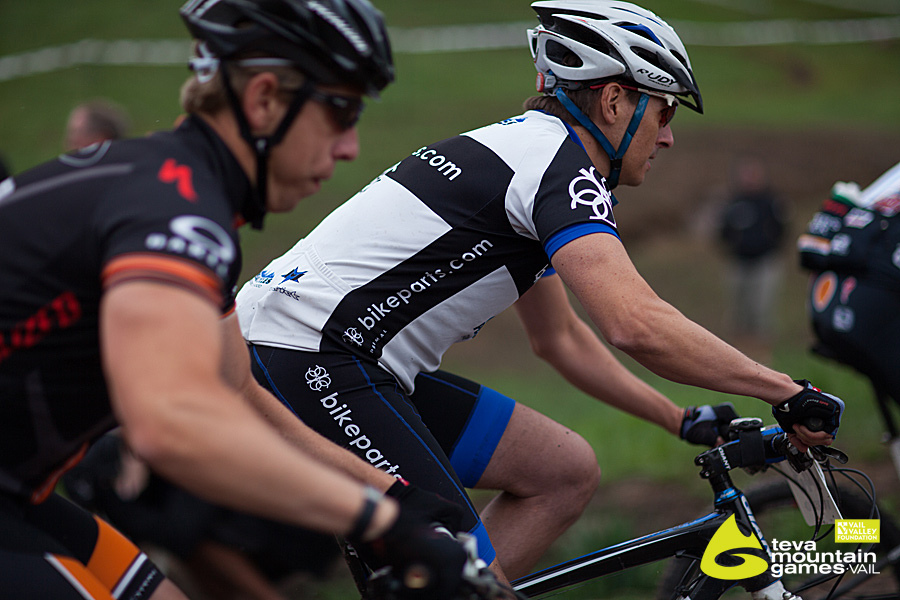
Team Rider at BikeParts.com

Team Rider at BikeParts.com

Gravel what?  Yep! You read it right – gravel grinders!  Gravel Grinder 101: are popping up all over the country.  Generally, they are unsanctioned, unsupported endurance bicycle races on primarily gravel and dirt roads, with little or no outside support, course markings, fees or prizes. There are no governing bodies, race officials, or licenses. Just a dedicated race organizer and some volunteers plotting out a unique course highlighting local, out-of-the-way sights and sounds, with unapologetic bike geeks gathering for a long day of riding.  For many cyclist, gravel grinder experiences are the newest and most sought after events.  Here’s why these races are growing in popularity.  

Gravel Grinder Racing: What You Need to Get Started are gravel road races and rides that combine riding on surfaces such as asphalt, gravel, dirt, some singletrack trails and maintenance or B roads. The courses vary from hard-packed dirt to softball-sized rocks. The distance usually ranges between 50 and 150 miles, but can be even longer. Two of the most popular events are the Dirty Kanza 200 and the Trans Iowa, which are both over 200 miles long.  Cyclist ride an assortment of bikes.  Over the past few years, the market for gravel grinder specific bikes has exploded. These bikes are similar to cyclocross bikes but have a geometry that’s more suitable for riding all day as opposed to short, one-hour races.

Yet, you’ll see many on mountain bikes and more cyclist tend to ride cyclocross bikes.  If you’re curious about an event, don’t shy away from it because you don’t have the “right” bike. Just get the right bike parts and cycling accessories to meet your needs.  Because of the terrain type, you’ll be riding through dirt, dust, and possibly mud and sludge.  With that being said, you’ll definitely want to liberally coat your chain with chain lube and be sure to carry a small container of chain lube with you on your ride.  

You might be wondering what is the appeal of a gravel grinder race? Basically, it’s adventure!  Gravel races usually offer up the “most adventurous” roads of your area.  These can be forest roads, minimum maintenance roads,or an abandoned jeep road. Don’t let this intimidate you if it’s something you don’t typically ride. Most of these roads lead you to something pretty cool, like an old farmstead, bridge, a beautiful hidden valley or grand vista. The adventure rests in exploring areas you typically wouldn’t explore.

Making the best of the adventure is training properly for a gravel grinder. Gravel grinders bring together different disciplines of cycling. First, the courses are designed to be technically difficult requiring good bike handling skills. Second, depending on the location, the route could be very hilly and offer different types of climbs from short and steep to long sections. Finally, most gravel grinders are lengthy, not necessarily in distance, but in time required to complete them.  Read, How to Train for a Gravel Grinder for more tips on training for a gravel grinder event. 

Why not try something new?  Embrace the new cycling discipline! Try a new adventure!  Why? Because with any given gravel grinder event, there’s an adventure out there waiting for you! 


Guide to Spectating the USA Pro Challenge in Golden, Colorado 2015

August 6, 2015

image credit www.cyclingnews.comJust weeks away from the start of the 2015 USA Pro Challenge, Colorado sports enthusiasts and cycling fans around the world wait with anticipation of yet another phenomenal pro race. From August 17-23, leading cyclists from around the world will battle it out in Colorado during the USA Pro Challenge, a seven-day professional stage race that winds 617 miles around the state.  One million people are expected to check out the race, which—now in its fifth year—is the largest spectator event in Colorado.  Nine cities are hosting the race this year, including Golden, Colorado.

This year, in addition to hosting the final stage start of the 7-day race, Golden will also host the finish for the first-ever Women’s USA Pro Challenge race. This elite, invitation-only women’s race will take place over three days, kicking off in Breckenridge on August 21 and ending in Golden on August 23.

Peak Cycles Bicycle Shop has been local supporters of the race since its inaugural year.  Spectators, travelers, and locals alike visit our shop asking for ride directions to ride the race route through Golden and the best places to spectate during the race.  Here’s what you need to know!

Stage 3 – Women’s USA Pro Challenge
August 23, 2015 –  10:30 AM –  Golden, Colorado – The start line for the women’s race is on Washington Avenue, between 12th & 13th Streets.
Start Time: 10:30 am – Estimated Finish: 11:30am

The women have tested their time trial legs and their climbing legs, now it’s time to test their elbows in some shoulder to shoulder technical circuit racing served up Colorado style in Golden.

This final stage is no mere promenade or flat four corner coronation for the current leader. With hills, technical corners, and plenty of time bonuses up for grabs on this tight 1.5 mile circuit, the overall winner will have to prove their worthiness for one more day. If they survive this circuit they will truly be a worthy winner of the first-ever Women’s USA Pro Challenge and will have proved their skill in all disciplines of the sport.

Stage 7 – Men’s USA Pro Challenge
August 23, 2015 –  1:00 PM -The start line for the women’s race is on Washington Avenue, between 12th & 13th Streets.
Start time: 1:10 pm – Estimated finish: 3:45 pm

For a finale, the Pro Challenge goes back to its roots. This route was the final stage of the first Pro Challenge in 2011 and introduced the world to the cycling crowds on the Front Range.  After a short loop north of Golden the race will tackle its main obstacle of the day, the 4-mile climb of Lookout Mountain. Another quick pass of Golden and the race is screaming through Wheat Ridge and Lakewood en route to downtown Denver. Four laps of the familiar Denver circuit await and Civic Center Park, City Park, and 17th street will be treated to blazing speeds as the last prizes of the week are fought over tooth and nail.

The highlight of the stage is the Lookout Mountain climb.

  • Length: 5.1 miles
  • Total elevation: 1,438 ft
  • Average Grade: 5.3% (7%) (steeper in the corners)
  • Lookout Mountain climb is called Pillar to Post for the landmarks at the start and finish.
  • The climb up and the descent down the treacherous Lookout Mountain provides an intense challenge on the tour’s final day.

So, where are the best places to watch the pro cyclist through Golden, Colorado?  Anywhere along the route for either the women’s or the men’s course will be a great place to see the action!  Lookout Mountain is a popular viewing area, as the riders climb and change position. Check out the route maps and stake out your spot!

The real question is, if you only have a  weekday off in Denver, how would you use it?  The final stage from Golden to Denver on August 23 will be stellar spectating. Start your day watching the climb up Lookout Mountain in Golden, then enjoy the Local Golden Festival in Parfet Park, from 9 am – 4 pm.  Local merchants and organizations will be on hand to showcase their businesses.

During the break between the women’s race and the men’s race, you can wander downtown and grab a bite to eat, visit one of the food vendors in the park, or grab a beer and watch all the race action on the Jumbo Tron. Of course, we’d love it if you stop by the shop, Peak Cycles Bicycle Shop.

Make the day memorable and pick up a select few bike parts, cycling accessories, or cycling apparel. We’re loving the good cycling vibe that the USA Pro Cycling Challenge brings to our state.  Good luck to all racing the ProCycling Challenge!


What Pro Riders Do That You Can Do Too

July 9, 2015
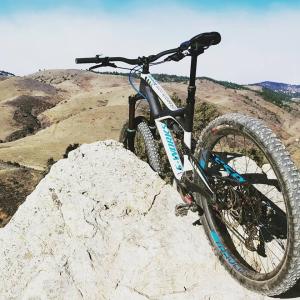
S-works bike at BikeParts.com

S-works bike at BikeParts.com

July – the best month of the year!

As cyclist, we all love July because the Tour de France is in full swing and so is the touring and racing season in Colorado.

With envy, many cyclist watch the pro riders and wonder how they can mimic the fitness and performance of such talented athletes.  In fact, it seems that pro cyclists are often all thought to be blessed with nature’s special gifts – a huge heart, enormous lungs and infinite leg power.  Yet, in reality this is hardly the case. The truth is that most of us have the physiology to be a decent racer – if we trained as much as they do.  Granted, most of us don’t have the time or the resources available to pro cyclists but we can all optimize the talents bestowed upon us by training properly.  Here’s what pro cyclist are doing that you can do too.

Cool things first.  If you noticed, pro riders are wearing the new GoPro Hero 4.  You might wonder how this could help your training? Considering that the winter months can be bleak, capture your favorite training rides on video and reply when riding the rollers or trainer during the winter months.  We at Peak Cycles Bicycle Shop can order the GoPro Hero 4 if you like!

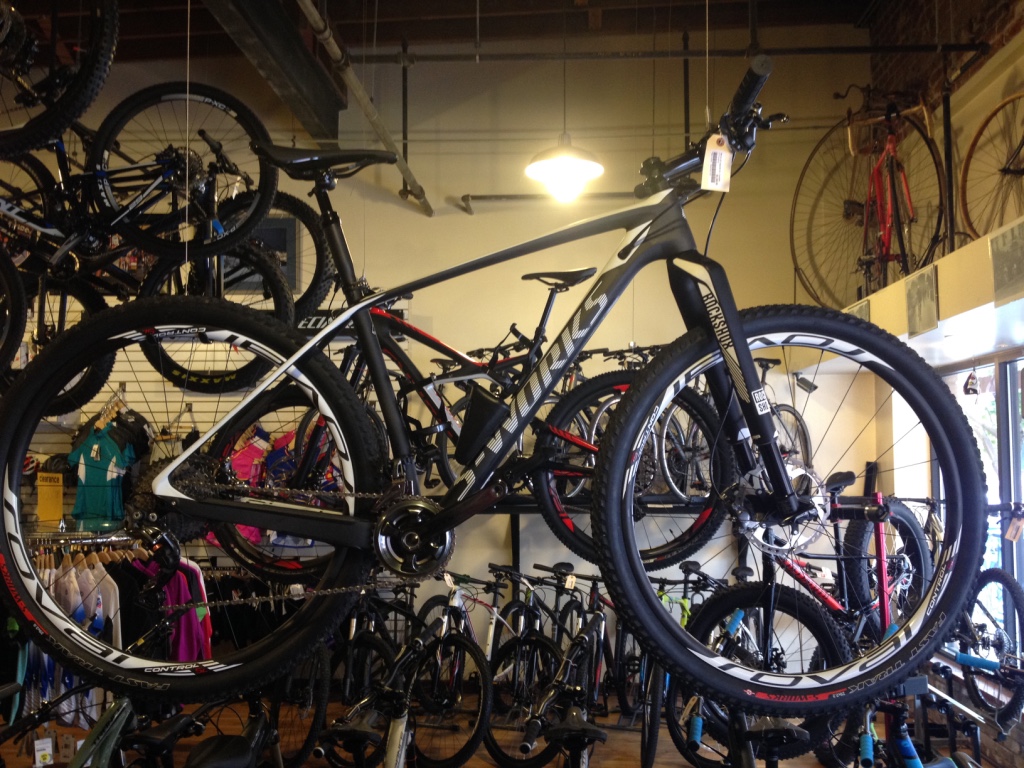
Pro rider ride really nice bikes!  That’s a given. Great road bicycles don’t have to come at a hefty price tag either.  Right now, in our Golden, Colorado shop we have a really nice S-works bike in the store with Shimano XTR components and 11-speed in back. Light and fast for racing.  If a new bike isn’t in your budget, then start with the basics.  Have good equipment.  Meaning, have a bike that fits, get the right bike parts, and wear the appropriate cycling accessories. It may seem obvious but the small things add up to bigger gains. 

Pro riders take nutrition seriously – on and off the bike.  Many cyclist have different preferences as to how they prefer to get their fuel while riding – whether that is in nutrition bars, gels, and liquids. However, oftentimes, the course may dictate other options. Regardless, proper on bike nutrition is critical.  Many of our customers ask us what are the best on-bike nutrition options available?  Following are our favorites at Peak Cycles Bicycle Shop:

Osmo nutrition – This product is specific to women offering three options:

  • active hydration
  • acute recovery
  • preload hydration

What we like about this product is that it is nutrition “based on peer-reviewed science. The science is simple. Hydration, which refers to the maintenance of water in your blood, is critical to maximizing power, endurance and reducing fatigue. When you’re thirsty, you’ve already lost two percent of your body water—and 11 percent of your power.”  Stop by the shop in Golden, Colorado to learn more.

Another option is Skratch Labs.  Again there are several options to sleet including:

  • All day – daily electrolyte mix
  • Single workout – exercise hydration mix
  • Hyper nutrition – hyper hydration mix
  • Rescue hydration – for dehydration

Finally, an all time favorite!  Honey Stinger products – tasty edibles on the ride.

  • waffles
  • gels
  • energy bars
  • organic chews

Pro riders train with power and heart rate.  Some mistakingly think that technology takes away the “riding experience” or that it is too costly for their level of riding.  However, times have changed and power meters are much more affordable.  They offer objective bio feedback to help you perform your best.  Our most popular are Stages Power Meters beginning at $1000.  Stages Power meter is the lightest, smallest, most technologically advanced unit available today.  Another option is the Pioneer Power Meter offered at $2000 and is a bit more sophisticated.  A third favorite is a company that’s been around for a while now – PowerTap Power Meter.

Last but not least, a little R&R or active recovery is good too.  Some of the most elite cyclists use yoga as part of a successful training program, including 2012 Tour De France winner Bradley Wiggins. Wiggins’ benefits from the focus it brings to his cycling, while others, such as pro mountain biker and Olympian Jeremy Horgan-Kobelski, use yoga to gain strength. From power to endurance, athletes at all levels are incorporating yoga to gain an edge over the competition, and prevent injury.

While you may not be a pro cyclist, you can certainly benefit from the training elements of a Tour rider lifestyle.  Stop by the Peak Cycles Bicycle Shop or connect with us on Twitter and Facebook for more training tips and cycling information to make the best of your summer cycling season.


Winning Racing and Training Secrets from Peak Cycles Bicycle Shop Sponsored Cycling Teams

June 11, 2015
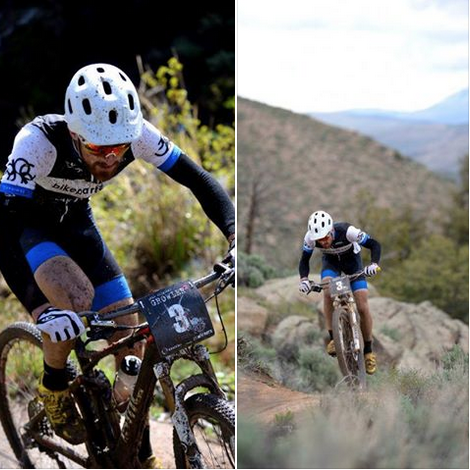
BikeParts.com Team Rider Kyle Crawley on his way to finishing in 4th Place at the Gunnison Growler 32

BikeParts.com Team Rider Kyle Crawley on his way to finishing in 4th Place at the Gunnison Growler 32

Guess who is rocking the coolest bikes, the best bike parts, and crushing it in Colorado’s toughest road and mountain bike races?

You guessed it – Peak Cycles Racers!  We’re super proud of Peak Cycles Bicycle Shop Sponsored Cycling Teams including Peak Cycles XC, Gravity and BMX teams, Colorado School of MinesThe Golden High School mountain bike team, Tough Girl Cycling, Twin Peaks Racing, and The Colorado Collective.  Early season success has come easily to these athletes.  Countless podium finishes and successful racing has caused many followers of the teams to wonder what are the secrets to combining racing and training for a successful summer cycling season?  What are these athletes doing that we all can do to improve our cycling performance?

For starters, there are many different approaches to training and racing.  Typical training weeks may vary in distance, intensity, and training hours. Some athletes prefer a structured approach to their racing season; whereas others prefer to keep it casual by mixing in shop rides and even front range bucket list rides to test fitness and keep training fresh.

But at a minimum, there are the basics which pretty much everyone follows.  This includes ongoing bike maintenance, repairing and/ or replacing bike parts, continued bike nutrition while riding, and a strong focus on hydration on and off the bike.  It sounds simple enough but a properly fit bike – that is ready to ride –  makes cycling fun, easy, and keeps you riding!

Regardless of your approach, one of the winning secrets for training and racing is using tools for bio feedback. Cycling accessories, as in power meters and /or heart rate monitors offers bio feedback monitoring of your efforts with specific data so that you objectively know when you are pushing beyond your targeted indictors, as well as, when you aren’t pushing hard enough.

Our post, The Best Training Aids to Launch into Spring Cycling, dives into the benefits of training with power. You may also want to check out our post, Heart Rate Training – What You Need to Know for our staff picks at Peak Cycles Bike Shop.  You can also learn steps in discovering your “threshold” heart rate range, setting up heart rate training zones, and identifying the daily variables that affect heart rate.

While it’s not a secret, and we hinted at it earlier, an often overlooked component of successful racing and training is a bike fit.   If you haven’t ridden much this Spring, now is the best time for a bike fit.  Why? Because your body is unaccustomed to the riding position.  You have an opportunity to optimize your position and make needed upgrades to your road bike or mountain bike.

There are countless suggestions that we can offer for training and racing tips but nothing can replace the passion, discipline, and love of the sport that our staff and team riders embrace.  For more winning race and training secrets, stop by the Peak Cycles Bicycle Shop and ask our staff for ideas and suggestions.  Also, keep current by following our Facebook page for updates.  Happy riding!


Inspire New Cyclist! Share the Cycling Love this Bike Month

April 30, 2015

10623813_987186804692036_6260883211829631960_oAs cyclist, we know the more we ride, the more we want to ride!  So, how can you make cycling get even better?  Make a whole month celebration of it!  Whether you bike to work or school; ride to save money or time; pump those pedals to preserve your health or the environment; or simply to explore your community, May is National Bike Month and is an opportunity to celebrate the unique power of the bicycle and the many reasons we ride.

As cyclist, we experience the benefits that cycling has to offer but to those new to the sport, embarking in unfamiliar territory may seem a tad intimidating.  National Bike Month is an opportunity to inspire others to our sport.  Fortunately, bike commuting is on the rise!  In fact, among the 51 largest U.S. cities, 43 hosted Bike to Work Day events in 2010. The City of Denver reported the highest rate of participation with one out of every 28 adults participating in its 2010 Bike to Work event. That effort makes a difference: Many people who participate in their Bike to Work Day promotion as first-time commuters become regular bike commuters. But Bike Month is more than one day — or week! It’s an entire month!

There are countless ways to inspire others to bike commute, ride, or race this month.  See which activities inspire you to help others enjoy our fabulous sport!

Inspire with a bike-friendly shopping program.  Everyone likes to shop, right?  Inspire new cyclist with bike parts bling!  Many aspiring bike riding enthusiast appreciate a shop that offers quality bike components along with solid advice on bike parts and cycling apparel. Convenience helps too.  Look for a shop that offers online and store front shopping to aid in your cyclist needs.  Fortunately, Peak Cycles offers both!

Inspire with bike education programs.  Having the right bike setup, cycling accessories and gear makes all the difference.  Consider offering a bike safety class for new riders or participate in a bike maintenance class.   All tools aren’t created equal – some are good for mountain bike parts while others are designed for road bike parts.  Knowing which tools to use on the appropriate bike components can make all the difference in making bike maintenance easy.  Our post, Bike Inspections: A Guide for Injury Free, Enjoyable Spring Cycling, offers bike inspection tips and bike accessories you need to maintain your bike.

Inspire with a list of rides and events.  Colorado has some of the greatest road bike rides in the country. Some are shorter, convenient rides whereas others offer steeper, longer climbs and extended distances. Locals and vacationers alike welcome the challenge of pushing the limits while taking in breathtaking views that only Colorado has to offer. Inspire new riders by checking out a few of 20 Colorado Front Range Bucket List Rides or invite them to spectate at one of the MTB races in Colorado.

Inspire with bike events!  Check out one of the events held in your area.  The League of American Bicyclist has countless events scheduled. Keep in mind, in 2015, Bike to Work Week will be May 11-15, with Bike to Work Day on May 15.  To  keep the momentum going, join our shop ride on Wednesday evenings and like our Peak Cycles Race Team Facebook page to keep informed of other rides and events.

Have fun, be active! Enjoy and inspire others to enjoy the outdoors and experience the joy of cycling this National Bike Month!


Mental Skill Drills to Bring Your A Game to the Spring Cycling Season

April 23, 2015
John Luif of BikeParts.com racing in Winter Park

John Luif racing in Winter Park

When we catch ourselves visualizing or fantasying about racing, winning or accomplishing something big in our race dreams, rarely do we visualize ourselves falling apart.  On the contrary, we view the victory as coming rather easily.  Even if the scene involves us digging to the depths of our inner being to pull something out of nothing, that agonizing pull from our inner selves is viewed in fantasy world as masterfully manifested.  In real life, we all know it doesn’t actually work like that.  Many of us can suffer but there are breaking points and limitations to the line we cross.  The mechanism that enables us to reach deeper within ourselves is mental toughness.

As described in the post, Developing Mental Toughness: Are you Tough Enough?, “mental toughness is your ability to persevere in the face of challenges, to keep going even when things get hard, and to have an unrelenting commitment to your goals. When you develop your mental toughness, obstacles are only temporary and one bad performance doesn’t shake your belief in your ability.”

The Spring Racing Season in Colorado is here! With upcoming events like the Karen Hornbostel Memorial Time Trial Series, Rocky Mountain Endurance Series, and Fruita Fat Tire Festival, road and mountain bike racers are ready to ride.  But, don’t think that just showing up on the line is enough.  Preparing mentally, physically, and being bike ready will ensure a successful start to the season.  Following are 4 mental skill drills to bring your a game to the spring cycling season.

Set Goals – For some, early season races are just about getting harder efforts in and saddle time.  However, having defined goals can help reduce pre race anxiety and also help you better evaluate your performance post race.  Identify what you want to accomplish with this event whether it be a targeted heart rate or power zone, a solid nutrition plan, or attacking certain areas on the race course.  Bio feedback is important in early season races.  Why?  Think about it.  We’ve all had those moments when we swear we’re cranking it out on the bike, giving it all we’ve got, leaving it all on the table –  and then – we finish the ride and think, I’ve got more in the tank! I didn’t leave it all out there!  So, how can you tell that you’re working hard enough?   Use cycling accessories that are available to you – as in power meters and /or heart rate monitors.  Our post, The Best Training Aids to Launch into Spring Cycling, dives into the benefits of training with power. You may also want to check out our post, Heart Rate Training – What You Need to Know for our staff picks at Peak Cycles Bike Shop.

Set Your Nutrition – As you approach your first race of the season, you may want to read the post, A Guide to Race Day Nutrition.  Many cyclist have different preferences as to how they prefer to get their fuel – whether that nutrition is in bars, gels, and liquids. However, oftentimes, the course may dictate other options.  As in, for mountain bike riders, a technical course may present obstacles in taking solid food while riding versus taking fluids.  Furthermore, as the post suggest, “having all of these different (nutrition) options can tend to create confusion and challenges for athletes as to which is ideal and which is best for them. In addition, selecting the right type of fuel depends on many factors such as duration, intensity and what type of activities such as cycling, running or multi sport.” The end result: experimentation during training and early season races will aid in dialing in proper race day nutrition for your “A” races and events.

Get Race Ready – The post, 5 Steps to Being Race Ready, reinforces the need for mental and physical preparation, as well as nutrition and bike parts checks, but part of racing is using your energy effectively – on and off the bike.  Balancing work, family responsibilities, training and racing is a key component to being mentally and physically ready to tackle the demands of early season races.  As you transition from winter training to spring racing, your mental and physical demands will change.  You need to have a transition plan in place to find balance in your life as the cycling season demands more and more of your time.

Get Your Bike Race Ready – It’s obvious, but often overlooked with the excitement of a race – but that is getting your bike ready to race. Notice any bike parts that need to be replaced.  Saddle injuries are the result of poor seat position, height, angle or design.  While your saddle  may look and feel fine, looks can be deceiving.  Materials and composition deteriorate beyond what is visible.  Also, neck, shoulder, and bike pain can result of an improper fitting bike.  Handlebarsstems, and bike position all contribute to a rider’s stability, endurance, and safety. Make sure all is well before embarking on longer rides and races which could lead to lasting discomfort.

How important are brakes?  Obviously, a lot!  When you don’t have them, or they aren’t working properly, then you know the importance of well maintained brakes for your road or mountain bike.  Sure, brakes help stop your bike but they also aid in redirecting the bike, navigating technical terrain, cornering, and overall balance.  As the cycling season starts up, bike maintenance is essential.  We’re happy to help you at Peak Cycles Bicycle Shop so bring your bike in for a spring tune up, or you can do bike maintenance at home.  Demonstrated by our staff, at Peak Cycles Bike Shop, using the Avid Professional Bleed Kit are step by step instructions on how to bleed your mountain bike brakes for strong and reliable stopping power: Our Tips on Bleeding Brakes.

Another important component to spring riding is checking out your wheels.  Unquestionably, wheels matter!  They impact ride quality, ease of pedaling, reliability, and functionality.  Spring is a great time to upgrade bicycle components.  The question is, once you’ve decided it’s time for a wheel upgrade, how do you know how to select the best ones? Check our our video, Wheelset Buyer Guide: What You Need to Know.

As for mountain bike riders, you may be thinking about going tubeless. For anyone who wants higher performance and less flats but doesn’t mind a little extra installation time and maintenance, going tubeless is the best choice.  The trick is having the right set up and knowing which bike parts or products to use.  Again, stop by the shop to ask any questions or watch our video for help. GoingTubeless? How to use Stans NoTubes by BikeParts.com

With a little preparation and planning, bringing your A Game to you early season racing can pave the way for a long, healthy, and enjoyable 2015 cycling season.  Stop by Peak Cycles Bicycle Shop to pick up the bike parts you need to launch your best cycling season ever!


How Smart Cyclists Spend Their Tax Refund Money Wisely

April 16, 2015

Tax Refund Money for Bike PartsYou’ve worked hard the past year and expect a healthy tax refund from the government. With anticipation, you’re thinking of how to spend that money wisely.  Maybe you’re thinking you should save that money, put it in the bank, or invest in those long over due house projects.  Yet, the other side of you is taunting you with images of bike parts and bike purchases.  You might even feel these ideas are a guilty pleasure.  However, spending your tax refund money on a new mountain bike or a road bike, or even cycling accessories, does more for your health and longevity than you know.

Investing in your cycling regime is an investment in you.  Physical activity  can improve your health and reduce the risk of developing several diseases like type 2 diabetes, cancer and cardiovascular disease. Physical activity and exercise can have immediate and long-term health benefits. Most importantly, regular activity can improve your quality of life.  With that being said, investing in your bike and cycling program is a great way to spend your tax refund wisely. Enjoy our top 5 ways to do just that!

1. Get a Fat Bike!
Peak Cycles Bicycle Shop is passionate about fat bikes in the winter months but they can actually be ridden year round! They are fun and versatile bikes that can be used in almost any terrain.  We have found the Specialized Fatboy to be a highly rated, mid-range fat bike that is usable for a wide range of ages and skill-levels.  The fun isn’t exclusive to adults either!  Specialized has also created a 20” and 24” Fatboy for kids at half the price of a full sized Fat Boy.  If you’re not sure a fat bike is for you, demo one!  Book a fat bike demo today and up the giggle factor to your normal riding program. Who can’t smile while riding a fat bike?

2. Get New Bike Parts!
So many bike parts – the question is what to purchase?  Consider getting a high quality wheel set.  A good wheel set impacts ride quality, ease of pedaling, reliability, and functionality.  Maybe purchase some new, lighter tires for your wheels. Another option is to reconsider the current crank set and pedals setup.  Who can’t justify spending tax refunds on losing lighter handlebars, a lighter saddle, and seat post?

3. Get a Power Meter!
The main idea behind using cycling training tools is to dial in your training to optimize your performance as it relates to your goals and objectives. Our post, The Best Training Aids to Launch into Spring Cycling, dives into the benefits of training with power. As for our favorite power meter options, our most popular are Stages Power Meters beginning at $1000. Stages Power meter is the lightest, smallest, most technologically advanced unit available today.  Another option is the Pioneer Power Meter offered at $2000 and is a bit more sophisticated.  A third favorite is a company that’s been around for a while now – PowerTap Power Meter.

4. Get Cycling Accessories!
Maybe your refund check wasn’t as large as you wanted it to be?  This doesn’t exempt you from spending money on quality bike parts – it just means you might spend less.  Items for purchase in this category include a variety of cycling apparel: jerseys, shorts, tights, jacket, cycling shoes.

5. Get a Bike Fit!
A bike fit isn’t just for professional riders – they are for anyone who rides whether they are a beginner or advanced rider. A bike fit helps ensure riding comfort but it also impacts technique which is crucial to preventing overuse injuries and how an athlete rides. We can help you use your refund dollars wisely.  Not only can we help you with the fit, but we carry all the bike parts required to get your bike in the very best setup for your riding needs. Give us a call (303) 216-1616 or stop by the shop in Golden to schedule your bike fit.

Considering how regular physical activity can produce long term health benefits, investing your tax refund dollars in your cycling program couldn’t be a wiser choice!


How to Use Spring Training Tools – The Importance of Not Going Out Too Hard Too Fast

April 9, 2015

Bike Fits at Peak Cycles Bicycle ShopAs the temperature gets warmer, the days grow longer, and the weather improves, cyclists everywhere are beckoned to ride their bikes.  While some may have trained through the winter months, many have not.  And the alluring call of gorgeous spring days lures many unprepared cyclist to ride too hard, too fast which can lead to injuries or a set back in the 2015 cycling season.

Whether you are planning to ride a century, multi-day rides, race or aspire to longer or more frequent rides in 2015, monitoring your early season training sets the stage for a successful year ahead.

Key points to keep in mind include training intensity, duration, and frequency.  There are coaches and coaching plans to assist with specific and customized training.  Or, you can create your own training program.

Regardless of your approach, for precise bio feedback to align your training plan, you’ll need to use cycling accessories available to you – as in power meters and /or heart rate monitors.  Early season training lends itself to “false” feedback.  Meaning, because you may be fresh, your perceived effort on the bike may be low causing you to push too hard, too soon, and then training suffers later due to increased recovery time or even injury.  By monitoring your efforts with specific data, you objectively know when you are pushing beyond your targeted indictors, as well as, when you aren’t pushing hard enough.  This allows your body to adjust to increased training load over time and in a manner that meets your 2015 cycling season goals.

Our post, The Best Training Aids to Launch into Spring Cycling, dives into the benefits of training with power. You may also want to check out our post, Heart Rate Training – What You Need to Know for our staff picks at Peak Cycles Bike Shop.  You can also learn steps in discovering your “threshold” heart rate range, setting up heart rate training zones, and identifying the daily variables that affect heart rate.

An often overlooked, yet incredibly powerful tool for improved cycling is a bike fit.   If you haven’t ridden much through the winter, now is the best time for a bike fit.  Why?  Because your body is unaccustomed to the riding position.  You have an opportunity to optimize your position and make needed upgrades to your road bike or mountain bike.  Think of it this way – leg strength, endurance, and fitness are at the heart of cycling speed, but without a proper bike fit, you are sabotaging your training efforts.  In a sport based on such a highly repetitive action, like pedaling, the first line of defense against injury is a proper bike fit.  And, a bike fit goes beyond just setting saddle height and bar reach. To get the most enjoyment and reward from your training programs it’s critical to dial in the fit and confirm you have the right bike parts for optimal performance.

There are countless more ways training tools can aid in your spring cycling training.  We’ve mentioned power training and heart rate training, but also consider the importance of nutrition and recovery.  The main goal of them all is to assist you in dialing in your training to optimize your performance as it relates to your goals and objectives.

Do you need help figuring out which one is best for you?  Visit us at Peak Cycles Bicycle Shop in Golden, Colorado or ask us on Twitter.


Spring MTB Racing in Colorado – Events to Plan Your 2015 Cycling Season

March 19, 2015

Peak Cycles Race TeamSpring riding and racing is just around the corner and athletes everywhere are starting to think about their “A” races as well as secondary races to use for training and motivation.  A given rule of thumb is that all races provide experience, training benefits, and act as a stage to assess your form. Because of that, targeting a handful of high and low priority races and events throughout the year can be useful as  learning experiences and opportunities to dial in nutritional needs and race strategies.  The question for many is, where to start?

Use your 2015 cycling goals as your compass.  We talk more about goals in our blog post, but the basic take away is to make your goals SMART.  As in, specific, measurable, attainable, realistic and time-bound.   With that being said, you need to pick the right events during the cycling season to help you best achieve those goals.

Notably, not all events are equal.  Some are harder than others.  One approach is to use different course profiles, distances, and bike part options to mindfully select A, B, and C type races according to your training plans and race goals.  Keep this simple reminder in mind – when you’re working toward a goal that’s important to you, the last thing you want is to face an obstacle or unexpected challenge.  A successful season starts off right by planning ahead, getting your mountain bike in order, as well as, getting the gear and cycling accessories you need.

Now, which races will you do?  There are many tours, races, and events to choose from in Colorado.  While this isn’t a comprehensive list, following are some of our upcoming favorite events at BikeParts.com.

Goudy Grinder – Wyoming – Sunday, May 31, 2015 – Registration open March 16th

40 in the fork – Fort Collins – Saturday, June 27, 2015 – Registration is open now.  This event is considered “one of the Front Range’s toughest mountain bike races.”

Rocky Mountain Endurance Series – Colorado.  This race series offers the best variety of mountain bike racing in Colorado.  Great for beginners to experienced racers including different distances.  The series begins kicks off in late April with the Ridgeline Rampage.  Visit their site for registration and series information and check out our Sneak Peak to the RME Series.  

MTB radio – endurance calendar.  For those that enjoy epic, longer mountain bike events.  Check out the MTB radio endurance calendar. Following are a few of the fun event on tap through May.

  • April 18 – 6 Hours in Frog Hollow – Hurricane, UT
  • April 23, Fruita Fat Tire Fest – Fruita
  • April 25, Ridgeline Rampage – Castle Rock
  • May 1, 18 Hours of Fruita – Fruita
  • May 9, Desert RATS Classic – Fruita
  • May 9, 12 Hours of Mesa Verde – Cortez
  • May 9, Battle the Bear – Lakewood
  • May 16, Dirty Double Fondo – Salida
  • May 23, The Half Growler – Gunnison
  • May 24, The Origional Growler – Gunnison
  • May 29, Grand Junction Off-Road – Grand Junction
  • May 30, PV Derby, Elbert
  • May 31, The Great Bicycle Carnival for Kids on bikes

Planning your 2015 cycling season is a multi step process: Identify your cycling goals, dial in your bike, and select the events you are enthusiastic in participating.  If you’re left questioning how to roll out your pre season training plan, well then, we’ve got you covered on that too.   Check out our previous guides to get you training started or vista us at Peak Cycles Bicycle Shop.


The 2015 Training Guide for Cyclist

March 12, 2015
BikeParts.com Gearing Up for 2015 Cycling Season

BikeParts.com Gearing Up for 2015 Cycling Season

March 20th at 4:45 PM MDT marks the beginning of spring.  While  we have a few days to go and the warmer temps may not quite be here yet, cyclist are getting ready for the 2015 season.  

You can feel it – enthusiasm is high!  But, enthusiastic recreational riders and competitive athletes can make early season training errors.  Namely, taking on too much physical activity too quickly. Going too fast, exercising for too long, or simply doing too much of one type of physical activity can strain your muscles and lead to an overuse injury. Understanding how to pace yourself while getting fit is crucial.

Yet, having the right bike setup, cycling accessories and gear makes all the difference too.  Especially so if you have taken it easier over the winter months. Transitioning to more time in the saddle and longer rides on the bike can be either a pleasurable experience or a painful one!  Here’s your guide to getting your bike and training in order for spring cycling.

Bike Inspections:
Does your bike have cobwebs on it from non use during the winter months?  Now’s the time to dust it off, put some air in those tires and do a thorough bike inspection.  It seems simple enough but there are some critical areas to pay attention.

What do you look for? Notice any bike parts that need to be replaced.  Saddle injuries are the result of poor seat position, height, angle or design.  While your saddle  may look and feel fine, looks can be deceiving.  Materials and composition deteriorate beyond what is visible.  Also, neck, shoulder, and bike pain can result of an improper fitting bike.  Handlebarsstems, and bike position all contribute to a rider’s stability, endurance, and safety. Make sure all is well before embarking on longer rides which could lead to lasting discomfort.

How important are brakes?  Obviously, a lot!  When you don’t have them, or they aren’t working properly, then you know the importance of well maintained brakes for your road or mountain bike.  Sure, brakes help stop your bike but they also aid in redirecting the bike, navigating technical terrain, cornering, and overall balance.  As the cycling season starts up, bike maintenance is essential.  We’re happy to help you at Peak Cycles Bicycle Shop so bring your bike in for a spring tune up, or you can do bike maintenance at home.  Demonstrated by our staff, at Peak Cycles Bike Shop, using the Avid Professional Bleed Kit are step by step instructions on how to bleed your mountain bike brakes for strong and reliable stopping power: Our Tips on Bleeding Brakes

Another important component to spring riding is checking out your wheels.  Unquestionably, wheels matter!  They impact ride quality, ease of pedaling, reliability, and functionality.  Spring is a great time to upgrade bicycle components.  The question is, once you’ve decided it’s time for a wheel upgrade, how do you know how to select the best ones? Check our our video, Wheelset Buyer Guide: What You Need to Know.  

As for mountain bike riders, you may be thinking about going tubeless. For anyone who wants higher performance and less flats but doesn’t mind a little extra installation time and maintenance, going tubeless is the best choice.  The trick is having the right set up and knowing which bike parts or products to use.  Again, stop by the shop to ask any questions or watch our video for help. GoingTubeless? How to use Stans NoTubes by BikeParts.com  

Training and Racing:
Now that you have your bike dialed in, the next part of the equation is training.  Do you have your 2015 goals in mind?  Aside from the traditional goals to ride more, to lose weight, and to explore new rides, consider being a little more ambitious!  Stretch yourself to reach new heights!  Maybe create your own Spring training camp with friends or challenge yourself to 20 Colorado Front Range Bucket List Rides.  

If you are a competitive cyclist, determine if you are race ready.  The post, 5 Steps to Being Race Ready, reinforces the need for mental and physical preparation, as well as nutrition and bike parts checks, but part of racing is using your energy effectively – on and off the bike.  Preparing mentally, physically, and being bike ready will ensure a successful start to the season.  Our post, 5 Race Day Strategies for Spring Races in Colorado walks you step by step through the process of race preparation. 

Nutrition:
As you approach your first race or long ride of the season, you may want to read the post, A Guide to Race Day Nutrition.  While riding, many cyclist have different preferences as to how they prefer to get their fuel – whether that is in nutrition bars, gels, and liquids. However, oftentimes, a course may dictate other options.  As in, for mountain bike riders, a technical course may present obstacles in taking solid food while riding versus taking fluids.   Our post, Solving the Bike Nutrition Mystery and Training Peak’s post, Strategies For Optimum Recovery offer great suggestions to getting you on track for the nutritional demands of training and racing.

With a little preparation and planning, your pre season bike maintenance and training can pave the way for a long, healthy, and enjoyable 2015 cycling season.

Stop by Peak Cycles Bicycle Shop to pick up the bike parts you need to launch your best cycling season ever!


A Cyclist Guide to Finding True Love for Valentine’s Day 

February 12, 2015

1014475_982878108456239_2622874834446561174_nRacing heart. Sweaty palms. Fixated focus.  All classic signs of love at first sight.  Notably, signs to display to your significant other on Valentine’s day.

Yet, as many cyclist well know, those very symptoms are those we experience when racing and training – especially the fixated focus on the rider in front of us.  Some cyclist love to race. They live for it. Others love to train and don’t favor racing.  Whether you love it or hate it, true love is found on the bike and the cycling experience.

But what is true love on the bike exactly?  Like any good relationship, It’s all about reward and avoiding pain.

Reward: All good relationships are built on a solid foundation such as commitment and consistency to your cycling training program.  And, like any good relationship, it’s important to keep it fresh, try new things, and continue building forward.  Most cyclist are in it for the long haul but sometimes deviate from the plan and want a quick fix.  If you fall in that camp, you may opt for a bike fit.  It’s the quickest way to get faster on the bike.

But, if you find yourself committing long term, you may consider going a different route.  Focusing on year round strength training, discovering apps to support your fitness lifestyle, or even jumping in and trying a great fatbike event in 2015 can help you take your true love for cycling to another level.

Pain: Suffering on the bike is one thing.  Pain is another.  Suffering can garner greater fitness gains but pain can keep you from your true love completely.  One way to avoid pain is to be mindful of your bike parts, cycling accessories, and bio feedback.  You might be wondering, Can the Right Bike Parts Make a Difference in Injury Prevention?  Yes, absolutely.

To avoid painful cycling experiences, discover tips to prevent knee pain. You might be surprised that a little extra attentiveness and mindfulness to your bike and bike parts can go a long way in avoiding pain and pitfalls with your true love.

From all of us at Peak Cycles Bicycle Shop, this Valentine’s Day, we encourage you to embrace your true love of cycling.


When Lack of Training Motivation Rears Its Ugly Head – Do this!

January 15, 2015

training motivationIt’s tough being a bike rider from December through late March. Keeping up the motivation to exercise on a cold winter day instead of curling up under a warm blanket on the sofa can be difficult. Sometimes lack of motivation rears its ugly head during these challenging times despite our best efforts to press on.  Yet, this time of year, many cyclists, competitive and recreational, are fighting regular demons whether that is general fatigue, lack of time, seasonal illness or just plain boredom.

Granted, the amount of downtime you can afford to take in winter depends on your goals for the coming year. If you have a century ride, a bike trip, or a hard race scheduled for June or July, you can probably get away with a layoff.  On the other hand, if an athlete wants to maintain fitness over the winter it it’s important to you get your motivation in gear now to make these gains and keep your cycling training on track.  Here’s how. 

First, it’s important to review your goals for the coming year and create a supportive environment that supports your goals.  Is there a time of day that works best for you?  Then, schedule your training time.  Do you train better with a partner?  Then, enlist the help of your family and friends.  Is your bike riding properly?  Check out your bike components, determine which bike parts you need, and get your bike in proper riding condition.  Your primary objective in creating a support structure is to foster an environment in which you are supported and held accountable. This makes sitting on the sofa eating bonbons a little less attractive and harder to do!

Also, keep it fresh! Winter is a time to build for the year ahead.  Trade saddle time for gym time to gain core strength.  The primary focus when it comes to strength exercises for cyclists is to train in a similar motion to cycling with lower and upper body, while increasing overall core strength and muscular endurance. Check out The Best Strength Exercises for Cyclists or 7 Hip and Core Exercises for Endurance Athletes to get you started and also – to keep you motivated through the winter months.

Another option?  Focus on nutrition.  Many subscribe to the idea of eating pasta and carbs for fueling training and racing.  Yet, there is a growing shift in nutritional information towards a strong focus on vegetables, fruits and lean meats as fuel.  Consider experimenting with your diet and nutrition as a means for making gains in your 2015 cycling program.  For ideas, read Five Ways To Get Started With the Paleo Diet.

Everything else aside, if you still don’t feel compelled to train through the winter, then at least feast your eyes on bike parts, cycling accessories, and new bikes.  Or, bring your bike in for service at Peak Cycles Bicycle Shop.  At a minimum, you are fueling your desire to ride when the weather improves!   But, what it boils down to is that an essential element to being a successful athlete is staying motivated throughout the year.  Remember, cycling is supposed to be fun.  Set small goals, create a supportive structure and atmosphere for your training environment, and you’ll be amazed at what you can do in 2015!


An Attitude of Gratitude – Giving Thanks for Bicycling 

November 27, 2014
Happy Thanksgiving from BikeParts.com

Happy Thanksgiving from BikeParts.com

Grateful people are joyful people.” – David Steindl-Rast

Can the power of gratitude make a difference in our lives?  How can expressing gratitude create happiness and prepare us for a better cycling season?
We all know that whether you ride every day or once in a while, you know it gives you a space and time apart from the pulls and tugs of work, family, and technology. The ride itself provides both a time in which to pay attention to gratitude and many things for which to feel thankful.
But many cyclist that have been riding for years or even competitive athletes finishing a season are sometimes left drained, burned out, and not necessarily enjoying the simple pleasures of a bike.  Yet finding gratitude is of value to your cycling performance – and probably more than you think!
According to the post, Thank You. No, Thank you, “adults who frequently feel grateful have more energy, more optimism, more social connections and more happiness than those who do not.”   As today is Thanksgiving Day, express an attitude of gratitude and appreciation for how your cycling commitment enhances the quality of your life.  
  • Give thanks to family members, coworkers, coaches, fellow riders, and nutritionist for the year long support, feedback and encouragement you receive.
  • Give thanks to your favorite bike shop (hint – us! Peak Cycles Bicycle Shop)  and the mechanics for keeping your bike in working order.
  • Give thanks to the person who does your bike fit and helping you ride more efficiently, comfortably, and hopefully faster.
  • Give thanks to the bike and pedestrian committee members and wide range of other bike community leaders in your area for supporting cycling.
  • Give thanks to bike manufactures for producing bikes, bike parts, cycling accessories, and bicycle components.
Most of all, give thanks to yourself.  Enjoy the day and your ride. It’s your opportunity to enjoy it and be joyful. Grateful people are happy people.

Dream Season: Fueling the Fire for the 2015 Season

November 20, 2014

dream cycling“We grow great by dreams.  All big men are dreamers.  They see things in the soft haze of a spring day or in the red fire of a long winter’s evening.  Some of us let our dreams die, but others nourish and protect them, nurse them through bad days till they bring them to sunshine and light.” ~  Woodrow Wilson

Gone are the epic rides of summer only to be replaced with cooler temperatures, shorter days, and less time on the bike.  Aside from cyclocross, the 2014 cycling season is over, but, this season may just be the most important season of them all.   Now, it’s dreaming season .  Dreams are where the journey starts for next year. Dreams set you down the path towards achieving something you may not have believed you could accomplish. They are what drive you to fit workouts into hectic schedules and push you when you want to quit.  Dreaming season is when you start fueling the fire for 2015.  Have you dialed in your cycling dreams for next season?

For some, it may seem too soon to think about next year but for others, many are already planning their 2015 race and cycling season. Regardless of which camp you fall into, it’s important to have lofty new goals, new ambitions, and new venues to fuel your cycling passions through the winter months.  However, one misstep in planning is not pausing to reflect on what has recently come to pass.   Personal reflection of the past season offers insights to truly optimize your training and racing regimen going forward.

Fueling the fires for next year begins with evaluating this past year.  Set aside some time for reflection; consider asking yourself 10 Questions to Evaluate the Success of Your Cycling Season.  Or, get insights into your performance by evaluating if your goals were smart (specific, measurable, attainable, realistic and time-bound).  You may question if you were Mentally Set Up for Success?

Moving past the emotional and psychological evaluation, don’t forget to take stock of your bike and bike parts performance.  Did you have the right bike and tire setup for the conditions, geography, and terrain in which you raced or trained?  Take notice of what worked and what didn’t work. It’s easy to get attached to particular brands or a set up because that is what you have always used; but upon reflection of bike accessories and bike part performance, honest appraisal of performance can steer you to look for cycling accessories that will work better for you in the future.  Sometimes getting a bike fit can help better position you for a season of successful riding.

As an athlete, there is certainly a lot of value in staying in tune with your achievements and goals. However, it’s equally important to take the time to reflect on those achievements so that you can repeat them. If you find yourself unable to reach your goals, don’t get discouraged – take the time to re-assess them.  Equally important, wWen you’re working toward a goal that’s important to you, the last thing you want is to face an obstacle or unexpected challenge.  Set up your 2015 right by planning ahead, plan now to get your road bike or mountain bike in order, along with the gear and resources you need.  By dreaming big and having the best bike parts, your successful training and race prep is well underway for a successful 2015.


Are You a Left Brained or Right Brained Cyclist? 

September 18, 2014

left or right brained cyclistMotivation is the foundation all athletic effort and accomplishment. Without your desire and determination to improve your sports performance, all of the other mental factors, confidence, intensity, focus, and emotions, are meaningless.

To become the best athlete you can be, you must be motivated to do what it takes to maximize your ability and achieve your goals.  The key question here is what keeps you motivated month after month? Through each season?  And, year after year?

The post, MotivationUsing the left or right brain, offers some insights as to how brain function plays a critical role in cycling motivation.  As a brief reminder, most people have tendencies which lean toward exhibiting more “left brain” or “right brain” characteristics. You’ve undoubtedly heard of the differences between the two.

Left brain characteristics:
– linear
– logical
– analytical
– serious
– organized

Right brain characteristics:
– holistic
– intuitive
– creative
– fun-loving
– socially adept

One isn’t necessarily better or worse than the other; they both have their functions.  But, as this relates to cycling, training, and fitness, it plays a different role. So if you think you are left brained, what are ways to motivate yourself for riding?  If data and analytical conversations get you excited , then you need to motivate yourself by the potential numbers to be worked and gained within a workout. This also means to focus on potential elevation gain, distance to be covered, or how many complete intervals you think you can achieve.  Focusing on analytical data as in, learning the right way to train or making proper goal setting a priority can help dial in motivation.  Another way to use your logical mind for motivation is to research bike parts, bike geometry and test ride cycling accessories to see how it impacts your ride.

On the flip side, if you are a right brained cyclist, consider a holistic approach to your experience.  As in, focus on the journey and what you may experience on each ride. Consider multiple options for routes that will allow you to experience the views of the season, then which route best suits the workout. On any day, think about what the feel of the workout will bring, with breathing, the rhythms, and how enjoyable that is. Grasp this and use it to your advantage, because visualization and feel is your main motivation.  Visualization can take place off the bike too. Yoga for cyclist and year round strength training and visualizations of a stronger and fitter body can aid in the motivation experience.

Ultimately, what it boils down to is that whether you approach your motivation for cycling from a left or right brained perspective, what matters is that you are having fun and engaged.  Motivation is easy to maintain when you are experiencing the rewards of your cycling and training experiences.


How to Make the Most of Late Season Races

August 28, 2014
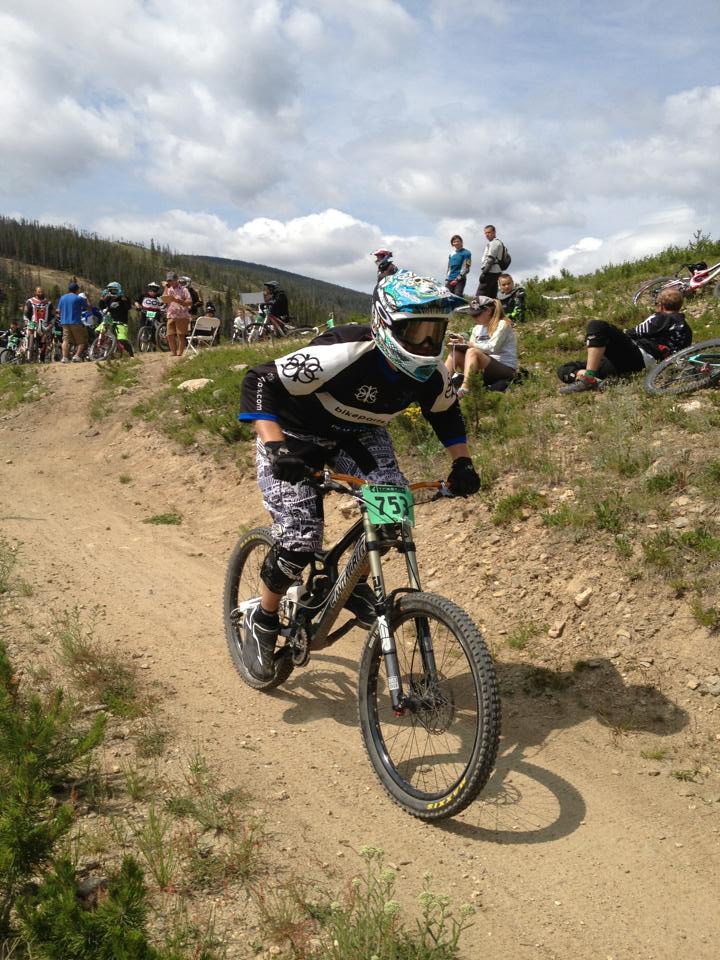
Sarah Shull racing in the 2013 Winter Park Gravity Series.  Trail: Cruel and Unusual.

Sarah Shull racing in the 2013 Winter Park Gravity Series. Trail: Cruel and Unusual.

At the beginning of the race season, enthusiasm and energy is high!  About the mid-season point, accumulated season fatigue catches up with most racers. Recovery rate from workouts and from races slows down and finally, by the end of the season, some find their motivation waning.  As the racing season seems to be getting longer and longer, what are the ways to maintain motivation and also – capture added gains towards next year’s goals?

Fortunately, there a variety of options at your disposal!  The post, How to Use a Late Season Race for Motivation, suggest selecting late season races that are fun and also promote fitness.  By keeping it fresh, trying something new, and also, targeting some fitness goals, it can inspire you to lay down some of your best training in your season.

What about adding some skill training?  During peak training periods, bike skills and technique is often overlooked.  Why not consider improving your skills?  The video: Five key skills to improve your bike handling offers great visuals and the post, Body Position on the MTB, dials in where you need to be on the bike to ride your best.  Experimenting late season avoids the risk of injury during peak races but also can offer a new challenge – like learning how to do a track stand.

Finally, show some bike love!  That’s right! Your bike has been training and racing with you all season long! Give your bike a break – replace worn out bike parts.  Maybe even experiment with different or new cycling accessories. Try out a new wheelset or reward yourself with new bike parts and components.  After all, your bike has helped you reach your goals all season long.

Ultimately, late season races should be fun. If you love what you are doing and are having fun with it, then you are setting yourself up for more good stuff to come in the following season!


3 of the Best Race Strategies for The Leadville 100 MTB Race

July 31, 2014

The legendary Leadville 100 mountain bike race starts and finishes in the heart of Leadville at 10,200’. With more than 90 percent dirt or double track dirt roads, steep climbs, serious descents and a seven-mile climb to the 50-mile turnaround at 12,600’, there is approximately 14,000’ elevation gain. That makes for a long and grueling day on the bike!  Yet, there are tricks and strategies  to make the Leadville 100 one of your best 100 mile mountain bike races.

The post, Top 10 Tips For Your Best 100 Mile Mountain Bike Race, suggest one very important strategy.  That is, do your homework. By this, we mean, read the entire race website to learn the logistics. Get the start location, day and time right. Learn the course profile.  You may consider taping key mile targets or heart rate goals to your top tube to keep your mind focused as the miles go by.  Also, determine how many aid stations and what services such as drop bags are at your disposal. Line up the details of where and when you will leave your drop bag and be reunited with it.  Basically, the support your provide for yourself in advance of the race by doing your homework enables you during the race to have your focus 100% in the game and not distracted with worrying about other elements.

Fuel right.  By fueling right, we mean, balance your nutritional needs leading up to the race as well as the day of the race.  But bike nutrition requires focused effort.  Guidelines for fueling a 100 mile mountain bike race are: every hour take in 60-90 grams carbohydrates, 18-24 oz. fluid, 400-700 mg sodium and 100-300 mg potassium. Frequently consume, in small amounts, any combination of water, sports drinks, gels, fruit, energy bars and electrolyte capsules to achieve these targets.  If you don’t think you can stay on track with your program, consider setting an audible alarm on your watch for nutrition and drinking reminders.

Game On! Leading up to and during your race, it’s critical to maintain a positive and upbeat mindset that is in alignment with your goals.  Your thoughts, emotions, and race behaviors are components of your mental state, so take inventory of your mental state and align them with your goals.  If you find yourself slipping into the pain cave with negative self talk, have a mantra ready to repeat and get yourself back in the game. In times of suffering, it’s easy to compare your racing and fitness to others.  Here is where having your race plan and goals specific to this event comes in handy. Know your plan and race your plan.

When it’s all said and done, congratulate yourself on your race experience. Most athletes love the Leadville 100 MTB race and do it every year.  So what’s next?  Use this experience to launch towards a better result in upcoming events.  Evaluate your results based on your goals.  What worked?  What didn’t?  What can you do next race to get a better result?  Be objective and explore how your mental and physical training helped prepare you for this event.  Remember to evaluate your bike and cycling accessory selections.  Did you race the right bike?  Did you suffer from mechanicals?  Now is the time to dial in, replace, and buy the bike parts that you need going into your next event or next Leadville 100 mountain bike race.  The strategies and training you used this time around only build for a better result next time.


What’s It Take to Ride Like a Tour Rider?

July 10, 2014
11895116_879913045419413_8627429630943288070_o

USA Pro Challenge Stage 7 starting in Golden, CO

Pro cyclists are often all thought to be blessed with nature’s special gifts – a huge heart, enormous lungs and infinite leg power.  Yet, in reality this is hardly the case. The truth is that most of us have the physiology to be a decent racer if we trained as much as they do.  Granted, most of us don’t have the time or the resources available to pro cyclists but we can all optimize the talents bestowed upon us by training properly.  Here’s how.

Start with the basics.  Have good equipment.  Meaning, have a bike that fits, get the right bike parts, and wear the appropriate cycling accessories. It may seem obvious but even small things add up. This is an easy one to dial in, so get it right.

Next, focus on what you can control and let go of what you can’t.  Some argue work and family commitments distract from proper training but there are other elements you can control.  You can control your the quality of your workouts, your bike technique, and your recovery.  When training, focus your efforts using power and heart rate. Both play a key role in training and you can use both to target weaknesses and strengths.  Dial in your nutrition on an off the bike so that you are properly fueled going into the workout and can bring your best effort to each training session.  Also, schedule specific workouts to build fitness, improve your climbing technique and bike skills.

While it may seem counter intuitive, easy rides or time off the bike is equally as important as training time.  The post, Four Ways to Recover Like a Tour Rider, suggests ways to conserve energy while riding in the peleton (aka your group ride) and use your cycling buddies as teammates to pace you and shield you from the elements.

A little R&R or active recovery is good too.  Some of the most elite cyclists use yoga as part of a successful training program, including 2012 Tour De France winner Bradley Wiggins. Wiggins’ benefits from the focus it brings to his cycling, while others, such as pro mountain biker and Olympian Jeremy Horgan-Kobelski, use yoga to gain strength. From power to endurance, athletes at all levels are incorporating yoga to gain an edge over the competition, and prevent injury.

You may not make it as a Tour rider but you sure can embrace the training elements of a Tour rider lifestyle.  And, if all else fails, put on your best suffer face!


How to Improve Joint Health While Cycling Safely 

June 12, 2014

healthWhen you feel great, you probably take your fitness and health for granted. But as many cyclist know, it doesn’t take but a quick spill on the bike to go from a physically fit state to an injured one with limitations on riding and training time. Surface injuries are the easiest to heal but as we’ve seen in the recent crash that injured BMC Racing’s Taylor Phinney at the Volkswagen USA Cycling National Road Championship, broken bones and muscle injuries can make a good season turn bad.

With June being National Safety Month, how can you avoid injuries, improve joint health, and capture the gains of an active lifestyle? Answers can be found in the post, Bike Inspections: A Guide for Injury Free, Enjoyable Spring Cycling, which shares the importance of having the right bike setup, cycling accessories and gear. More importantly, for safe riding, regular bike inspections are in order.  If you’re not sure what to look for, you want to notice any bike parts that need to be replaced.  For instance, saddle injuries are the result of poor seat position, height, angle or design. Replacing older items like saddles, cables, tires and brakes provide safety and peace of mind while riding.

Also, consider if the right bike parts can make a difference in injury prevention.   In a sport based on such a highly repetitive action, like pedaling, the first line of defense against injury is a proper bike fit. Whether you’re just starting to ride or you’ve been cycling for a long time, there are numerous benefits to getting a professional bike fit in which you can dial in the appropriate riding position for you as well as the exact bike parts needed to accommodate that fit precisely.

Cycling is safe and effective, fun way to improve fitness as well as joint health. It strengthens muscles which puts less pressure on joints and it is a low-impact exercise limits wear on cartilage around joints .  When you take a few preventative measures, as in bike inspections, bike maintenance and commit to a regular cycling schedule, not only do you improve joint health and fitness, but you also improve your overall peace of mind.  Enjoy a National Safety Month from the view of your two wheeled friend!