A Different Take On the Benefits of Training Indoors

February 26, 2015

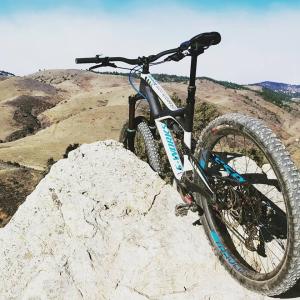
2014 Giant Trance Adv. 1 27.5-1It’s winter. It’s cold. There’s snow on the ground.  And, when the snow melts, it’s still cold – and wet. Many brave winter cycling and enjoy it with layering and a designated winter bike to ride. But, most of us suffer inside.  The first few weeks of indoor training seems to be bearable; however, as the weeks continue without any hopes of prolonged outdoor riding in sight, the indoor workouts get shorter.  Or, they don’t happen at all.  The problem is, consistency in training is critical to prepare your body for the physical stresses of the season ahead.

How do you make peace with indoor training?  How can indoor training actually support consistency in training?

It may seem obvious, but scheduling workouts on the same day every week will help with consistency.  By creating a repeating schedule that you know works for you you minimize the chances to missing a workout. The post, 4 Habits to Increase Your Consistency, offers more suggestions on increasing consistency, such as, being purposeful, following your plan as best as possible, and getting in shorter rides when you have less time to train.

But motivation is key to maintaining consistency.  When lack of training motivation rears its ugly head, you don’t have to be a victim to it, take action.  The post, Surviving the Winter as a Cyclist, shares some great “fortune cookie wisdom” in that the hardest part is just getting started.  “Whether it’s starting your workout for the day, or jumping back into training after you’ve been “off the wagon” for a while, getting going is tough. That’s the law of inertia. An object at rest wants to stay at rest. But on the flip side, once an object is in motion, it wants to stay in motion.  The key here – start pedaling.  Make a time commitment to stay on the bike for 30 minutes to see how you feel.  By then, most likely you’ll be into the ride and lack of motivation is disappearing.

If cycling indoors just isn’t your thing, accept it.  But don’t give up! Trade saddle time for gym time to gain core strength.  The primary focus when it comes to strength exercises for cyclists is to train in a similar motion to cycling with lower and upper body, while increasing overall core strength and muscular endurance. Check out The Best Strength Exercises for Cyclists or 7 Hip and Core Exercises for Endurance Athletes to get you started and also, to keep you motivated through the winter months.

You may also consider doing yoga.  In cycling, the quadriceps, hamstrings, and hips never rest. As a result, riders often have overdeveloped quadriceps and tight hamstrings, which can pull the hips out of alignment. Also, a cyclist’s spine is constantly flexed forward. If proper form isn’t maintained, it can result in muscle pain and strain in the back and shoulders. Yoga helps ease the tightness, creating core strength, and aligning the spine.  Even if you aren’t into yoga, there are 3 poses you should practice.

When you think about it, indoor training doesn’t have to be as bad as you think.  Options are available.  And, you may just give winter riding another chance too!  Winter riding can be equally as fun as Summer riding given you have the right cycling apparel, you know how to dress for winter riding, and you have the right bike parts in your winter toolkit.


Top Fat Bike FAQ’s

February 19, 2015

Fatboy at BikeParts.comFat bikes – they’re all the rage! While many consider fat bikes to be a trend, they are, in fact, here to stay!  The hottest trend in the mountain biking world right now is the oversized bike that can accommodate tires up to 5 inches wide.  Yet, as popular as they are, many have yet to experience this cycling bliss!  Following are the top frequent asked questions we get at Peak Bicycle Shop in Golden, Colorado.

Why should I ride a Fat bike?  Fat bikes behave much like a mountain bike but, in many cases, they are much more versatile. You can practically ride them anywhere and they are particularly useful during winter rides in snowy conditions. They are also great beginner bikes and will make you feel like an 8 year-old again, bouncing  gleefully all over the trails.

How are fat bikes different than other mountain bikes?  Many fat bike models today are similar to “normal” mountain bikes, which have slacker head tube angles, lower stand-over heights, thru axles, and tapered head tubes.  The main difference is the tires. The wider ties have more traction in both dirt and snow. They climb better than almost any mountain bike and the fit tires provide greater cushion that feels like extra suspension.  But what makes them special is they entice you to ride outside when it’s cold! According to the post, Fat Biking 101: 10 Things You Need to Know Before Biking in the Snow, most people do not ride when it is cold because, well, it’s cold. Fat bikes offer a unique experience and allow you to explore familiar trails in a new light. Fat biking lifts the winter doldrums by giving you a new freedom to ride off-road.

In what kind of conditions can I ride my fat bike? Fat bikes can ride pretty much anywhere. They do really well on dirt but they are also very capable in the snow. Packed snow will feel very much like riding on dirt. Pushing through heaps of freshly fallen snow will provide more of a challenge and there will be some days when riding is simply impossible. Remember, while sliding around on ice may be fun, ice is ice. The bike will still go down if you are not careful riding on slippery substances.

How do I stay warm on my fat bike in the winter?  You have to think a little bit harder before and during your fat bike rides in the cold. Generally the most important tip for keeping warm is to layer, and to carry a pack to put your extra layers away. Some people prefer to wear ski goggles and a ski helmet, and lots of people wear winter boots.  Poagies, insulated hand covers that slip over your handle bars, are also very useful for keeping your hands warm.   Keeping your feet warm is key. Wearing arm boots, preferably water proof, with thick socks on flat pedals or clipless boots with multiple pairs of socks will help to keep your feet comfortable.

How do I keep my water from freezing?  Even though you might not feel the urge to drink as much when riding your fat bike in the cold, it is still important to drink fluids. There are a couple of tricks your water from freezing. During shorter rides, carry an insulated water bottle and start with really warm water. You can also add electrolytes or other ingredients to change the freezing point of the fluid, but may find limited success. When using a CamelBak or something similar, stick the bite valve in your jacket and blow out all the water in your hose. You can also buy neoprene insulators for the hydration hose to help keep water as a liquid substance.

Should I use clipless or flat pedals on a fat bike?  It’s your choice! The biggest problems people have making this decision is deciding how to best keep their feet warm. Having flat pedals will allow you to wear thick winter boots, which are more conducive to keeping your feet warm. However you can buy clipless boots that are designed to handle colder temperatures. Using a clipless pedal could prove annoying in snowy terrain if you have to dismount and remount frequently during your ride.

What kind of tires should I use? How wide? What pressure do I run? Tube vs. Tubeless?  You have to match tire pressure with conditions. Softer snow conditions: 6psi. Harder conditions: 8-10psi. (much lower than the normal bike). Fat-bike tires are typically marked as 26 x 4.0 though most are really more like 26 x 3.7 or 3.8. The actual size of the mounted tire will vary depending on the rim width used for the wheel.  Many riders prefer tubeless because they reduce over a point of rotation weight and they provide better traction.

What kind of fat bikes are on the market?  The fat bike market has exploded in recent years. Brands include Specialized, Mongoose, Polaris, Kona, Gravity, Kawasaki, Borealis and more! Manufacturers are creating frames out of tons of different materials including aluminum, carbon, titanium, bamboo, real steel, and Wal-Mart steel. Most fat-bikes that you will come across have a fully rigid frame. However fat bikes with front fork suspension and full-body suspension have started to emerge.

Finding the fat bike that works for you will depend on the type of riding that you do and, more importantly, your budget.  However, at Peak Cycles Bicycle Shop, we are all big fans of the Specialized Fatboy Bike. We have found the Specialized Fatboy to be a highly rated, mid-range fat bike that is usable for a wide range of ages and skill-levels.   In fact, the Fatboy was rated as the best mid-range fat bike in 2014 by Gear Patrol, a magazine that covers the best in gear, adventure, and design.  

Where can I ride my fat bike? Fat biking is abuzz in Colorado. Colorado is already a favorite state for cyclists due to the mountainous terrain, rugged trails, scenic views, and outdoorsy population. But now, Colorado is a hot destination for the fat bike phenomenon.  There are also a ton of really fun fatbike events across the nation.

Whew! Lots of questions but one final one.  Are you feeling the urge to take on this fun fat bike phenomenon? Demo a fat bike at Peak Cycles Bicycle Shop in Golden, Colorado.  Check out our fat bike bike selections, cycling apparel, hydration strategies, fat bike bike parts, and accessories.  Plus, get even more of your questions answered in person!


A Cyclist Guide to Finding True Love for Valentine’s Day 

February 12, 2015

1014475_982878108456239_2622874834446561174_nRacing heart. Sweaty palms. Fixated focus.  All classic signs of love at first sight.  Notably, signs to display to your significant other on Valentine’s day.

Yet, as many cyclist well know, those very symptoms are those we experience when racing and training – especially the fixated focus on the rider in front of us.  Some cyclist love to race. They live for it. Others love to train and don’t favor racing.  Whether you love it or hate it, true love is found on the bike and the cycling experience.

But what is true love on the bike exactly?  Like any good relationship, It’s all about reward and avoiding pain.

Reward: All good relationships are built on a solid foundation such as commitment and consistency to your cycling training program.  And, like any good relationship, it’s important to keep it fresh, try new things, and continue building forward.  Most cyclist are in it for the long haul but sometimes deviate from the plan and want a quick fix.  If you fall in that camp, you may opt for a bike fit.  It’s the quickest way to get faster on the bike.

But, if you find yourself committing long term, you may consider going a different route.  Focusing on year round strength training, discovering apps to support your fitness lifestyle, or even jumping in and trying a great fatbike event in 2015 can help you take your true love for cycling to another level.

Pain: Suffering on the bike is one thing.  Pain is another.  Suffering can garner greater fitness gains but pain can keep you from your true love completely.  One way to avoid pain is to be mindful of your bike parts, cycling accessories, and bio feedback.  You might be wondering, Can the Right Bike Parts Make a Difference in Injury Prevention?  Yes, absolutely.

To avoid painful cycling experiences, discover tips to prevent knee pain. You might be surprised that a little extra attentiveness and mindfulness to your bike and bike parts can go a long way in avoiding pain and pitfalls with your true love.

From all of us at Peak Cycles Bicycle Shop, this Valentine’s Day, we encourage you to embrace your true love of cycling.


Where to Ride Your Fatbike in Colorado

January 29, 2015

Fatbikes at BikeParts.comFat Biking is abuzz in Colorado. Colorado is already a favorite state for cyclists due to the mountainous terrain, rugged trails, scenic views, and outdoorsy population. But now, Colorado is a hot destination for a new phenomenon in the cycling world: Fat Biking.

Fatbikes can be used during any season and in any terrain, but they are most popular during the winter months and in snowy conditions. Fatbikes have made it possible for cyclist to bike all year, even in states like Colorado with snowy months.

Opportunities to fatbike are popping up all over the state. Nordic centers and ski resorts are beginning to allow fat bikers on groomed trails. Many ski areas also offer lessons with the help of staff instructors. Examples include:

  • Aspen Snowmass Nordic Trail System
  • Breckenridge Gold Run Nordic Ski Center
  • Devil’s Thumb Ranch in Tabernash
  • Latigo Ranch in Kremmling
  • Durango Mountain Resort
  • Howelson Hill Nordic Center in Steamboat Springs
  • Lake Catamount Touring Center in Steamboat Springs
  • Sunlight Mountain Resort
  • YMCA of the Rockies – Snow Mountain Ranch

A number of nordic centers and fat bike enthusiasts are also hosting fatbike races. You might consider trying to race one of these:

Beerd Belly – Evergreen CO

Abominable Winter Fat Bike Race  – Como Colorado

Alley Loop Fat Bike Race – Crested Butte

Leadville Winter Mountain Bike Series:

              – Winterbike at Copper

              – Tennessee Pass Night Jam

              – Mineral Belt Mayhem

              – Eastside Epic

And that’s not all!  There are also fat bike tours in the Colorado area!

  • Paragon Outdoors in Telluride
  • Absolute Bikes Adventures in Salida
  • Front Range Guides in Boulder, Denver, Fort Collins
  • Break Bike Guides in Breckenridge

For our local customers BikeParts.com, you don’t have to go far to ride your fatbike.  There are some really great trails along the Front Range that are great for fatbikes. Some favorites include North Table Mesa in Golden.   In fact, why don’t you demo a fat bike at Peak Cycles Bicycle Shop in Golden, Colorado?  Stay tuned for more upcoming blog posts on fatbike selections, cycling apparel, hydration strategies, fat bike bike parts, and accessories.  Or, take some time and enjoy the following posts for additional reading.


9 Great Fatbike Events for 2015

January 22, 2015
Fatbikes at BikeParts.com

Fatbikes at BikeParts.com

We already told you why fat bikes are all the rage.  We’ve even shared Why We Love the Specialized Fat Boy Bike. Now, you need someplace to ride your fat bike, right?!  

Fatbikes are the hottest trend in the mountain biking world right now and not surprisingly, super fun fatbike events are popping up everywhere.  Following are our top 9 events to get in on the fat bike action.

4th Annual Global Fat-Bike Summit – Snow King Resort, Jackson Hole, WY -January 23-25th, 2015.  Hosted by QBP, along with Fitzgerald’s Bicycles, Hoback Sports, Wyoming Pathways, and Mountain Bike the Tetons/IMPA. Here’s what you can expect:

“On Friday the summit will focus on training sessions and panel discussions featuring the latest in the evolving world of best management practices for fat-bike use on public lands. Management practices will be discussed with a focus on winter use since the majority of access issues fall in the winter months. This interactive training day will include land managers from the National Park Service, Bureau of Land Management, Forest Service, and state and local governments, along with bike advocates and industry representatives.”

The festival portion of the event begins Friday night with a fat-bike night ride and evening banquet, and continues through Saturday and Sunday with a variety of demo rides, product clinics, and riding events that include an optional guided fat bike tour of Grand Teton National Park.”

Winterbike at Copper – Leadville Series – Jan 24th, 2015.  Here’s why you want to try this event.  Join Copper and the Cloud City Wheelers for WinterBike, part of the Leadville winter mountain bike series. Competitors will ride into the night for this cross-country race slipping, sliding and riding on the mountain and throughout the Village. Make it a family affair and bring the tykes for LittleBike, a free fun ride.

Arrowhead 135 – Last week in January.  Here’s what separates the Arrowhead from the other events.  “The Arrowhead 135 is recognized in the book “The World’s Toughest Endurance Challenges” by Richard Hoad and Paul Moore as one of the 50 toughest races in the world.  It is a human powered Ultra Marathon taking place in the coldest part of winter in the coldest city in the lower 48 states.  Our average finish rate is less than 50%, the finish rate for new racers is much lower.  2014 finish rate was 35%.”

“135 miles Deep Winter across Northern Minnesota on rugged, scenic Arrowhead State Snowmobile Trail from Frostbite I-Falls to Tower, MN Fortune Bay Casino. Pick mode of transport at start: bicycle, ski or foot.  This is our 11th year, beginning with 10 entrants in 2005 to ~150 starters 2014, featuring some of the best winter ultra-athletes in the world.”  Obviously, this event isn’t for the faint of heart – but one definitely to aspire to doing!

Abominable Winter Fat Bike Race – Como, CO – January 31st, 2015.  If you are feeling a little wild, then this event might be for you.  Abominable events are for those with a little wild in them. Not for the timid, they are challenging you to come get after it in the whitest Colorado has to offer. On January 31st get “yeti” for a winter adventure run, fat bike rides hot chocolate and more. Grab your friends, hop in the car, and crank up the heat because it’s gonna be cold, wild one out there!

Alley Loop Fat Bike Race – Crested Butte, CO – February 6th, 2015.  This fun fatbike event takes place simultaneously with the 28th Annual Alley Loop Nordic Marathon.  If you have any skiers in the family, this is a great event to combine your two passions.  The plus side, for those on the fence about whether to race or not, they offer same day registration.

Big Fat Bike Festival – Homer AK – Feb 6-8th, 2015.  Concerned about getting cold while racing your fatbike?  Well, this event lures you in with a cozy bonfire about 8 miles in where you can warm up before venturing on or returning to the start.  “The ride is approximately 16 miles long (or more if you choose), follows the beautiful bluffs of the south shore with ample opportunity to enjoy the view.”

Tennessee Pass Night Jam – Leadville Series – Feb 7th, 2015.  This is part of the Leadville winter mountain bike series.  For customers of our Peak Cycles Bicycle Shop and locals in Colorado, you’ll note the 12 mile course starts at Tennessee Pass Nordic Center, Tennessee Pass, and the cost of entry is $20.

Frozen Fat Fondo Fest – Davenport IA – Saturday, Feb 7th, 2015.  This event challenges you to be a fatbike hero!  “Make history being a part of FORC’s first Fat Bike challenge, the Frozen Fat Fondo Festival! The FFFFestival will be held — rain or shine, snow or slime — on the beautiful shores of the Mississippi River at the newly rebuilt Credit Island Lodge. Riders will test their mettle on a circuit featuring many technical challenges through thick lowland forest and chunky river shoreline on this 3 hour endurance ride. Participate as a 3-person relay team or solo. 3.5″ tires or greater required! All proceeds from this event benefit FORC to continue maintaining and improving local trails.”

Mineral Belt Mayhem – Leadville Series – March 7th, 2015.  Again, this is part of the Leadville winter mountain bike series.  However, this event starts at the mineral belt trail in Leadville, Colorado. Entry costs $20

US National Fat-Bike Championship – Cable, WI – March 7th, 2015. What? There’s a National Fatbike championship? Yep! That’s how popular these bikes and events are!  The 47-kilometer event will be, for the second year in a row be  the “U.S. National Fat Bike Championships” with cash prizes for the top three women and men. The field limit for the third annual Fat Bike Birkie on March 7, 2015, has been bumped up to 750 riders and is quickly filling.

Eastside Epic – Leadville Series – Apr 18th.  Another great event that is part of the Leadville winter mountain bike series.  This one starts in Leadville and entry is $20.

Does reading about all these great fatbike events make you curious about fat bike riding? Demo a fat bike at Peak Cycles Bicycle Shop in Golden, Colorado and stay tuned for more upcoming blog posts on fat bike bike selections, cycling apparel, hydration strategies, fat bike bike parts, and accessories.


When Lack of Training Motivation Rears Its Ugly Head – Do this!

January 15, 2015

training motivationIt’s tough being a bike rider from December through late March. Keeping up the motivation to exercise on a cold winter day instead of curling up under a warm blanket on the sofa can be difficult. Sometimes lack of motivation rears its ugly head during these challenging times despite our best efforts to press on.  Yet, this time of year, many cyclists, competitive and recreational, are fighting regular demons whether that is general fatigue, lack of time, seasonal illness or just plain boredom.
Granted, the amount of downtime you can afford to take in winter depends on your goals for the coming year. If you have a century ride, a bike trip, or a hard race scheduled for June or July, you can probably get away with a layoff.  On the other hand, if an athlete wants to maintain fitness over the winter it it’s important to you get your motivation in gear now to make these gains and keep your cycling training on track.  Here’s how. 

First, it’s important to review your goals for the coming year and create a supportive environment that supports your goals.  Is there a time of day that works best for you?  Then, schedule your training time.  Do you train better with a partner?  Then, enlist the help of your family and friends.  Is your bike riding properly?  Check out your bike components, determine which bike parts you need, and get your bike in proper riding condition.  Your primary objective in creating a support structure is to foster an environment in which you are supported and held accountable. This makes sitting on the sofa eating bonbons a little less attractive and harder to do!

Also, keep it fresh! Winter is a time to build for the year ahead.  Trade saddle time for gym time to gain core strength.  The primary focus when it comes to strength exercises for cyclists is to train in a similar motion to cycling with lower and upper body, while increasing overall core strength and muscular endurance. Check out The Best Strength Exercises for Cyclists or 7 Hip and Core Exercises for Endurance Athletes to get you started and also – to keep you motivated through the winter months.

Another option?  Focus on nutrition.  Many subscribe to the idea of eating pasta and carbs for fueling training and racing.  Yet, there is a growing shift in nutritional information towards a strong focus on vegetables, fruits and lean meats as fuel.  Consider experimenting with your diet and nutrition as a means for making gains in your 2015 cycling program.  For ideas, read Five Ways To Get Started With the Paleo Diet.

Everything else aside, if you still don’t feel compelled to train through the winter, then at least feast your eyes on bike parts, cycling accessories, and new bikes.  Or, bring your bike in for service at Peak Cycles Bicycle Shop.  At a minimum, you are fueling your desire to ride when the weather improves!   But, what it boils down to is that an essential element to being a successful athlete is staying motivated throughout the year.  Remember, cycling is supposed to be fun.  Set small goals, create a supportive structure and atmosphere for your training environment, and you’ll be amazed at what you can do in 2015!


The True Christmas Spirit of Cycling

December 25, 2014
Merry Christmas from BikeParts.com

Merry Christmas from BikeParts.com

Have you been a naughty cyclist or a nice cyclist? Is there a way to tell?

Some cyclist might notice a lot of bike parts, cycling apparel, and other wonderful gifts under the tree and think, yeah! I’ve been nice!  And then, again, as competitive and recreational cyclists, it’s easy to be hard on ourselves.  Some might think that you’ve been a naughty cyclist.  Maybe you think you haven’t trained hard enough this year.  Or, your performance was down. Then again, you may consider yourself to be a naughty cyclist because you have been slacking off and didn’t get that scheduled ride in.

Whether or not all that is true – that isn’t the spirit of cycling.  No doubt, consistent training is essential to performance.  Having the right gear, bike parts, and appropriate road or mountain bike for your cycling specialty is important.  But, while we tend to strive for fitness using heart rate monitors and power meters and tracking calories and water intake, and all the performance enhancing rituals we employ, it’s certainly not the spirit of cycling and it is especially not so at Christmas time.

So, what is?

Here at Peak Cycles Bicycle Shop, the true Christmas spirit of cycling is the love of the bike.  It’s the adventure cycling brings – the challenge of a new ride, the joy of connecting with friends in meaningful ways, and the building of camaraderie with teammates.  It’s about inspiration.  Riding and training towards goals that call us to be our best selves and enlist the support of family and friends that unites in powerful connections.  At its essence, the true spirit of cycling is really about passion, joy, exhilaration, excitement, camaraderie, enthusiasm, and gratitude.

These are all the very gifts we wish for you and your family this Christmas day.  Merry Christmas from Peak Cycles Bicycle Shop and BikeParts.com!


Best Bike Gifts for Cyclist

December 18, 2014

Bike Gifts at BikeParts.comAre you stressing yourself out looking for the perfect holiday gift for your cyclist?   Look no further!  Surprise and delight your favorite cyclist with our list of best bike gifts for cyclist!

Stocking stuffer ideas are first and foremost! We mentioned in our post, Unique Stocking Stuffer Ideas for Cyclist, traditionally, stocking stuffers are smaller gifts that tend to pale in comparison to the main gifts under the Christmas tree. But with some creativity, don’t be surprised if our ideas for stocking stuffers turn out to be a big hit on Christmas morning.  The usual suspects for stocking stuffers include multi tools, tubes, bottles, socks, head warmers, arm warmers, shoe covers, gloves, lube, energy bars, gels, chews and similar items.  Smaller items that pack a big bang in your cyclist training regime include heart rate monitors and coaching gift certificates.

Combine these ideas with some items better placed under the tree, and you’re sure to delight your cyclist.  And what might these gifts be?  The very items that make cycling fun!  This list of gift items includes a variety of cycling apparel: jerseys, shorts, tights, jacket, cycling shoes and…..a new bike!  A  new road bike, mountain bike, or even a fat bike might just be the very gift your cyclist is hoping Santa will deliver!

Another option – give the gift of experience!  These are gifts that delight the whole year long!

Gift a Bike fit –  Does your cyclist complain of hands falling asleep while riding? Or shoulder or neck pain after a long ride? A bike fit isn’t just for professional riders – they are for anyone who rides whether they are a beginner or advanced rider. A bike fit helps ensure riding comfort but it also impacts technique which is crucial to preventing overuse injuries and how an athlete rides. Consider the gift of giving your favorite cyclist a bike fit for Christmas. Not only can we help them with the fit, but we carry all the bike parts required to get the bike in the very best setup for their riding needs.  Give us a call (303) 216-1616 or stop by the shop in Golden to schedule your bike fit.

Demo a fat bike!  That’s right! Fat bikes are all the rage – they thrive in snow, sand, desert, bogs and mud as well as riding what is considered normal mountain biking.  In fact, fat bikes are the fastest growing segment in the bike industry.  Book a fat bike demo for your favorite cyclist that will up the giggle factor to their normal winter riding program. Who can’t smile while riding a fat bike?

Gift an App that keeps on giving – Smart phones, apps, and technology are paving the way for increased year round fitness. Consider giving the gift of paid apps to help keep your cyclist on track. The post, Top 5 Apps for Cyclists for Off-Season Fitness Gains, offers great suggestions including Lose it!, Strava, and Sleep Cycle.

We’ve talked about gifts for your favorite cyclist, but what about the bike?  There are Gifts To Give Your Bike for Christmas! You haven’t forgotten about the two wheeled friend, now have you? Show some love for the bike this holiday season.  Get it some presents!

Your favorite cyclists’ bike’s #1 holiday wish would be to drop the weight – on bike components that is!  Consider getting a high quality wheel set.  A good wheel set impacts ride quality, ease of pedaling, reliability, and functionality.  Maybe purchase some new, lighter tires on your wheels. Another option is to reconsider the current crank set and pedals setup. You can help your favorite cyclist shave some weight there while also selecting lighter handlebars, a lighter saddle, and seat post.  Loosing weight never seemed so easy!

And last but not least, what is a cyclist dream gift?  Bike parts! What cyclist doesn’t love bike parts? Whether it’s a new shifters, brakes, seatpost, or fork, your favorite cyclist wants it.

See how easy it is to make your favorite cyclist smile this Christmas?  Happy Holidays!


Are you Fat Bike Curious? The Questions You Want Answered! 

December 11, 2014
Fat Bikes at BikeParts.com

Fat Bikes at BikeParts.com

Fat bikes – they’re all the rage! While many consider fat bikes to be a trend, they are, in fact, here to stay!The hottest trend in the mountain biking world right now is the oversized bike that can accommodate tires up to 5 inches wide.

Fat bikes are hard to miss. Their bulbous, “fat” tires roll over virtually anything, which makes them an ideal winter mode of transportation because they help cyclists traverse snowy and icy trails with ease and traction.Sounds good, but why ride a fat bike? Fat bikes behave much like a mountain bike but, in many cases, they are much more versatile. You can practically ride them anywhere and they are particularly useful during winter rides in snowy conditions. They are also great beginner bikes and will make you feel like an 8 year-old again, bouncing gleefully all over the trails.

So, how are fat bikes different than other mountain bikes? Many fat bike models today are similar to “normal” mountain bikes, which have slacker head tube angles, lower stand-over heights, thru axles, and tapered head tubes. The main difference is the tires. The wider tires have more traction in both dirt and snow. They climb better than almost any mountain bike and the fat tires provide greater cushion that feels like extra suspension.

But what makes them special is they entice you to ride outside when it’s cold! According to the post, Fat Biking 101: 10 Things You Need to Know Before Biking in the Snow, most people do not ride when it is cold because, well, it’s cold. Fat bikes offer a unique experience and allow you to explore familiar trails in a new light. Fat biking lifts the winter doldrums by giving you a new freedom to ride off-road.

Sounds good so far, right? You might be wondering in what kind of conditions can you ride your fat bike? Fat bikes can ride pretty much anywhere. They do really well on dirt but they are also very capable in the snow. Packed snow will feel very much like riding on dirt. Pushing through heaps of freshly fallen snow will provide more of a challenge and there will be some days when riding is simply impossible. Remember, while sliding around on ice may be fun, ice is ice. The bike will still go down if you are not careful riding on slippery subs.

There are other factors to consider with fat bikes – as in, how to stay warm, best pedal and footwear options, and basically, how does a fat bike ride?

Are you curious about fat bike riding? Demo a fat bike at Peak Cycles Bicycle Shop in Golden, Colorado and stay tuned for more upcoming blog posts on fat bike bike selections, cycling apparel, hydration strategies, fat bike bike parts, and accessories.


Unique Stocking Stuffer Ideas for Cyclist 

December 4, 2014
Stocking Stuffers at BikeParts.com

Stocking Stuffers at BikeParts.com

The Holiday Season is in full swing and if you have a cyclist or occasional bicycle rider on your Christmas list, it may be difficult to find just the right bike-related gift.

Traditionally, stocking stuffers are smaller gifts that tend to pale in comparison to the main gifts under the Christmas tree. But with some creativity and useful gifts for all types of cyclist, don’t be surprised if our ideas for stocking stuffers turn out to be a big hit on Christmas morning.
For starters, we’ll focus on small things — stuff that fits in a stocking.  These are the usual suspects:
  • Tubes: This is one gift you absolutely positively will get used. Make sure you get the right size of tube. If you aren’t sure, stop in the Peaks Cycling Store and ask one of our friendly staff to help you. Or, visit us online at bikeparts.com
  • A good bottle: Every cyclist has a ton of bottles, but that’s not the same as having good bottles. Buy a good bottle and stuff it with other goodies.
  • Socks: Did you know cyclist like to wear their cycling socks even when they aren’t riding?  Why? Because they are so comfortable.  Pick out a pair of socks you like for your cyclist and maybe even get a pair for yourself!
  • Warmers: We’re talking about head warmers, ear warmers, arm warmers, leg warmers, and shoe covers – all the necessities to keep your favorite cyclist warm and comfortable out on those chilly winter rides.  They nice thing about these is that they fit nicely in a holiday stocking in as much as they do a cycling jersey!
  • Gloves: Here’s another thing that every cyclist already has, but which every cyclist can always use more of.
  • Bike nutrition – as in Energy bars / gels / chews: Instead of chocolate, fill the stocking (or water bottle) with nutrition, bars, gels, and drinks
    your cyclist can use on the bike.
  • Lube: Every cyclist goes through it and we’ve got tons of it.
  • A gift for off the bike.  Maybe your cyclist would enjoy a pint glass, a poster, or some other bike parts goodie.
But what about the unique gifts?  These gift ideas could be the very wishes your favorite cyclist has dreamed of!
  • Gift a Bike fit –  Does your cyclist complain of hands falling asleep while riding? Or shoulder or neck pain after a long ride? A bike fit isn’t just for professional riders – they are for anyone who rides whether they are a beginner or advanced rider. A bike fit helps ensure riding comfort but it also impacts technique which is crucial to preventing overuse injuries and how an athlete rides. Consider the gift of giving your favorite cyclist a bike fit for Christmas. Not only can we help them with the fit, but we carry all the bike parts required to get the bike in the very best setup for their riding needs.  Give us a call (303) 216-1616 or stop by the shop in Golden to schedule your bike fit.
  • Demo a fat bike!  That’s right! Fat bikes are all the rage – they thrive in snow, sand, desert, bogs and mud as well as riding what is considered normal mountain biking.  In fact, fat bikes are the fastest growing segment in the bike industry.  Book a fat bike demo for your favorite cyclist that will up the giggle factor to their normal winter riding program.  Who can’t smile while riding a fat bike?
  • Gift an App that keeps on giving – Smart phones, apps, and technology are paving the way for increased year round fitness. Consider giving the gift of paid apps to help keep your cyclist on track. The post, Top 5 Apps for Cyclists for Off-Season Fitness Gains, offers great suggestions including Lose it!, Strava, and Sleep Cycle.
  • A cyclist dream gift?  Bike parts! What cyclist doesn’t love bike parts? Whether it’s a new saddle, shifters, brakes, seat post, fork, pedals, hubs or wheels, your favorite cyclist wants it.  The usual problem is how to know exactly what to get. Our answer, get a gift certificate.
Still need ideas for creative stocking stuffers?  Stop by the shop in Golden, Colorado or give us a call at Peak Cycles Bicycle Shop (303) 216-1616 and we’ll gladly help you out!  Happy Holidays!

An Attitude of Gratitude – Giving Thanks for Bicycling 

November 27, 2014
Happy Thanksgiving from BikeParts.com

Happy Thanksgiving from BikeParts.com

Grateful people are joyful people.” – David Steindl-Rast

Can the power of gratitude make a difference in our lives?  How can expressing gratitude create happiness and prepare us for a better cycling season?
We all know that whether you ride every day or once in a while, you know it gives you a space and time apart from the pulls and tugs of work, family, and technology. The ride itself provides both a time in which to pay attention to gratitude and many things for which to feel thankful.
But many cyclist that have been riding for years or even competitive athletes finishing a season are sometimes left drained, burned out, and not necessarily enjoying the simple pleasures of a bike.  Yet finding gratitude is of value to your cycling performance – and probably more than you think!
According to the post, Thank You. No, Thank you, “adults who frequently feel grateful have more energy, more optimism, more social connections and more happiness than those who do not.”   As today is Thanksgiving Day, express an attitude of gratitude and appreciation for how your cycling commitment enhances the quality of your life.  
  • Give thanks to family members, coworkers, coaches, fellow riders, and nutritionist for the year long support, feedback and encouragement you receive.
  • Give thanks to your favorite bike shop (hint – us! Peak Cycles Bicycle Shop)  and the mechanics for keeping your bike in working order.
  • Give thanks to the person who does your bike fit and helping you ride more efficiently, comfortably, and hopefully faster.
  • Give thanks to the bike and pedestrian committee members and wide range of other bike community leaders in your area for supporting cycling.
  • Give thanks to bike manufactures for producing bikes, bike parts, cycling accessories, and bicycle components.
Most of all, give thanks to yourself.  Enjoy the day and your ride. It’s your opportunity to enjoy it and be joyful. Grateful people are happy people.

Dream Season: Fueling the Fire for the 2015 Season

November 20, 2014

dream cycling“We grow great by dreams.  All big men are dreamers.  They see things in the soft haze of a spring day or in the red fire of a long winter’s evening.  Some of us let our dreams die, but others nourish and protect them, nurse them through bad days till they bring them to sunshine and light.” ~  Woodrow Wilson
Gone are the epic rides of summer only to be replaced with cooler temperatures, shorter days, and less time on the bike.  Aside from cyclocross, the 2014 cycling season is over, but, this season may just be the most important season of them all.   Now, it’s dreaming season .  Dreams are where the journey starts for next year. Dreams set you down the path towards achieving something you may not have believed you could accomplish. They are what drive you to fit workouts into hectic schedules and push you when you want to quit.  Dreaming season is when you start fueling the fire for 2015.  Have you dialed in your cycling dreams for next season?

For some, it may seem too soon to think about next year but for others, many are already planning their 2015 race and cycling season. Regardless of which camp you fall into, it’s important to have lofty new goals, new ambitions, and new venues to fuel your cycling passions through the winter months.  However, one misstep in planning is not pausing to reflect on what has recently come to pass.   Personal reflection of the past season offers insights to truly optimize your training and racing regimen going forward.

Fueling the fires for next year begins with evaluating this past year.  Set aside some time for reflection; consider asking yourself 10 Questions to Evaluate the Success of Your Cycling Season.  Or, get insights into your performance by evaluating if your goals were smart (specific, measurable, attainable, realistic and time-bound).  You may question if you were Mentally Set Up for Success?

Moving past the emotional and psychological evaluation, don’t forget to take stock of your bike and bike parts performance.  Did you have the right bike and tire setup for the conditions, geography, and terrain in which you raced or trained?  Take notice of what worked and what didn’t work. It’s easy to get attached to particular brands or a set up because that is what you have always used; but upon reflection of bike accessories and bike part performance, honest appraisal of performance can steer you to look for cycling accessories that will work better for you in the future.  Sometimes getting a bike fit can help better position you for a season of successful riding.

As an athlete, there is certainly a lot of value in staying in tune with your achievements and goals. However, it’s equally important to take the time to reflect on those achievements so that you can repeat them. If you find yourself unable to reach your goals, don’t get discouraged – take the time to re-assess them.  Equally important, wWen you’re working toward a goal that’s important to you, the last thing you want is to face an obstacle or unexpected challenge.  Set up your 2015 right by planning ahead, plan now to get your road bike or mountain bike in order, along with the gear and resources you need.  By dreaming big and having the best bike parts, your successful training and race prep is well underway for a successful 2015.


How to Make the Time Change and Night Riding Work for You

October 30, 2014

When the clocks change and the night draws in, cyclists have a decision to make: get in the groove with night riding and embrace the darkness.  Or, hang up the wheels and miss out on hours of glorious saddle time.

Sometimes it’s a depressing thought with the time change and the nights closing in.  However, night riding can also be relished as one of the most rewarding experiences you can have on a bike, and especially when riding with a group.  Riding in the dark heightens your senses, improves your skills and builds awareness.   Switching up the training regime can freshen your attitude, spark some fun, and maintain fitness.

The trick to capturing the benefits is to make the time change and night riding work for you.  Develop strategies that support your cycling while embracing the darkness.  Here’s how!

A Well Lit Bike
Visibility is critical.  Outfit your bike with a good light system.  You will want lights for the front of your bike.  Consider having multiple lights for the front of your bike.  One on your helmet so you can shine side roads and traffic and have a second light on your handlebars so you can see at least 10 ft. or more in front of you.  For the rear of your bike, opt for a rear red light- particularly one that blinks. A blinking red light is much more likely to get the attention of a passing motorist who might otherwise not notice you.

For those who need a really bright headlight check out the NiteRider Pro 1800 Race on the BikeParts.com website. Designed for mountain bike racing,  and with 1200 lumens you can expect to get about 1 hour and 30 minutes of run time. At 700 lumens you should get 3 hours, 400 lumens yields 4 hours, 200 lumens 12 hours, and 80 lumens 25 hours. It takes about five hours to fully charge the four cell Lithium Ion battery.

A Well Lit Cyclist
Purchase cycling apparel that is visible.  There are options to choose from including vests and ankle bands.  Also, reflective tape is a good idea. 3M makes black reflective tape that is great to put on black wheels. You do not notice it during the day and it shows up white at night.  And, as the temperature drops, it’s hard to know what to wear when it’s 50 degrees and sunny outside versus 30 – 35 degrees and cloudy.  Riding in transitional weather can be a challenge!  But, with clothing that is versatile, lightweight, and easy to pack down, you can find a cycling wardrobe that works for you. Watch our video, How to Dress for Winter Cycling to get ideas.

Ride options:
Riding in the dark makes the riding of any technical section immediately harder than in the day.  It takes a good while to overcome this, so don’t set yourself a task to ride the most demanding trails you have.  Ease yourself in as the nights start earlier and downgrade your expectations.   Remember, you will inevitably ride and travel more slowly than in daylight.  With that being said, be mindful that your route doesn’t exceed your lights battery capacities.

Bike maintenance:
Experiencing mechanical difficulties in the cold and at night is not fun!  A well maintained bike is a fun bike to ride.  Yet, for some, bike maintenance can be a chore.  Having the right set of bike components and tools can make all the difference.  When prepping your bike for for the colder temps and night riding, there are several things you want to do to keep your bike in good working order.  A good thing to always do is to wipe down and inspect the frame.  As the weather changes, rain, snow, ice, and road elements pose different cleaning challenges to your frame and bicycle parts.  Consider using a stiff, soft-bristled brush to knock off any chunks of dried-on mud that may be on your frame or wheels. Then, follow that up by taking a rag to your bike, wiping it down generally all over to get off any remaining dust or dirt.

Also, remember to lube your chain and cables.  As unglamorous as chain lube is, it is a necessity for winter riding.  It will keep your bike parts in working order and squeak free! There are many lubes to choose – wet vs dry lube.  As conditions vary, you may want to have a couple of different choices on hand.  Finally, since you can’t see what you are rolling over in the dark, it’s a good idea to frequently inspect tires, wheels, and brake pads.  Check that there is adequate air pressure in the tires. Check that there aren’t any cuts or nicks in the sidewall or tread of the tires. You’ll want to make sure the brake pads are not worn. And, remember to inspect where the brake pads hit the rim; they should contact the rim evenly on both sides and not rub the tire in any way that may cause a flat.

Here’s where the rubber hits the road: the time change can mark the end of the season or bring on a new adventure.  Embrace the challenge and make night riding work for you!


12 Signs Your Are Overtraining and What to Do About It

October 2, 2014

IMG_4888Are you overtraining? Is there a way to tell when you are over-reaching versus over training?

Actually, there is!  There are three stages of overtraining and each stage is defined by certain levels of fatigue and recovery time.  But in a nutshell, there are symptoms cyclists can experience when they over-train.

– get a washed-out feeling
– feel tired
– get grumpy and experience sudden mood swings
– become irrational
– feel a lack of energy for other activities
– suffer from depression
– have a decreased appetite
– get headaches
– get an increased incidence of injuries
– have trouble sleeping
– feel a loss of enthusiasm for the sport
– experience a sudden drop in performance

What can you do about it?  First, there is the recognition that training for cycling events takes some serious dedication.  As a result, some cyclists are often tempted to exercise longer and harder so they can improve rapidly. They are motivated to get faster and stronger but without adequate rest and recovery.  Compounding this, most of us are juggling family commitments, a job, and trying to fit in some social activities. It just isn’t possible to keep balancing all these things.

Begin by asking yourself, Do You Know the Right Way to Train?  Having a strategic approach and structured training means every workout has a purpose.  Every step, pedal and stroke is being performed with the confidence it’s the right thing to do and performed the right way.  The post, The Right Way to Train,  shares four essential components of deliberate practice. Having a plan puts parameters on training so that you actually recover and avoid over training in the first place.  A component of having a plan is having the right bike parts, cycling accessories, and nutritional components in place to support your efforts.  All of these are functional structures that support the full training cycle.

You may also consider slowing down.  As the season changes, there are ways to make the most of Fall season training.  As the post, Smart Ways to Stop Sabotaging Your Late Season Training suggests, switch gears and include strength training and yoga.  Or, better yet, since daylight is short, opt for night rides which add a fresh approach to riding while also reducing intensity.

Ultimately, the best way to identify if you are over training is by listening to your body.  Remember, cycling and training is supposed to be fun! Enjoyable and refreshing!  Use the changes of the season to renew your body and spirit.


Smart Ways to Stop Sabotaging Your Late Season Training

September 25, 2014

www.bikeparts.com There’s a saying in the cycling world, “the off season is where you can make the greatest gains” and at Peak Cycles Bicycle Shop, we couldn’t agree more. The off season is a time when cyclist can work on  weaknesses without having to worry about performance in upcoming group rides and races.   However, there are ways to sabotage the gains.

According to the post, 10 Things Endurance Athletes Need to Stop Doing, cyclist should stop ignoring recovery, stop doing other athlete’s workouts, stop ignoring your diet and your weight and stop ignoring technology in your workouts.  Another saboteur are headphones.  The post, Seven Reasons to Take Off Your Headphones, questions if listening to music while training actually helps or hinders results.  Unfortunately, knowing what not to do is only half the battle.  The other half is knowing what to do.

Making the most of fall season training is about keeping it fresh, trying something new, and also, targeting some fitness goals. You can start to make gains by focusing on recovery after your workouts.  When you think about it, training is all about stressing your body with hard workouts, and then letting your body adapt to that load. If you do not allow your body to recover and adapt to the training load you’ve imposed on it, you simply will not be able to train and stress your body as hard the next workout.  While many riders understand that recovery between workouts is key to building fitness, recovery is also a commonly overlooked injury prevention tool. Recovery, defined as stretching, hydrating, and resting, are traditional tools used by athletes.  Some opt for compression gear, as in socks or tights, which are designed to improve recovery and aid in overall sports performance.  Late season is a great time to test out new products and evaluate how your body responds.

Building on that – don’t let the hard work you’ve gained this year fall by the wayside!  As your training volume and intensity declines, it’s a good idea to begin paying attention to your nutrition and weight.  As noted in our post, Top 5 Apps for Cyclists for Off-Season Fitness Gains, managing your training and nutrition in the off-season can be manageable and can mean the difference between winning and losing during the 2015 cycling season.

Other suggestions for late season gains include strength training and yoga.  Year-Round Strength Training for Cyclists Matters. Since you are only as strong as your weakest link, the stronger system you build as a whole, the more potential you have for cycling specific gains.  And there’s a lot to be said for yoga.  Cyclists need to focus on leg strength, which many poses in yoga target, but they also need to focus on flexibility and lower back strength.  All key elements in extending the fitness gains you’ve made through the current year.

Finally, keep it fresh and fun. The Fall season can be a great opportunity to get new bike parts.  During the season, the focus is on riding; whereas during the Fall, there’s more time for mental wanderings and fun! Check out our daily closeouts and overstock items to spark renewed interest in your cycling program.


How the Fall Season Can Help You  Manage Over Reaching and Over Training 

September 11, 2014

IMG_2146At the beginning of the race season, enthusiasm and energy is high!  About the mid-season point, accumulated season fatigue catches up with most racers. Recovery rate from workouts and from races slows down and finally, by the end of the season, some find their motivation waning.  Oftentimes, throughout the season, cyclist find themselves over reaching and over training in their training.  What is the difference between the two and how can the Fall season help?

The term over-reaching was adopted by exercise scientists to describe the short-term overload that can be managed within a few days. However, over-reaching can develop into over-training (from which it can be more difficult to recover) if the athlete does not mitigate the factors that caused the over-reaching or fails to allocate proper recovery time.  The symptoms of the overtraining syndrome are difficult to define since there can be many and they are seldom exactly the same in any two overtrained athletes. According to Joe Friel,  physiologically, the only ones that are common are poor performance and fatigue.  However, there are a few other indicators.  The symptoms of overtraining are many and include the lack of motivation to race and train, inability to complete most workouts due to fatigue, loss in power, and general overall irritability.

So, How Long Does it Take to Recover From Overtraining? “Most athletes will recover from overtraining syndrome within 4-6 weeks up to 2-3 months. This will all depend on a few factors such as how overtrained you really are, genetics, and age. Determining how overtrained you are can only be answered by the amount of time it takes you to recover.”

The Fall season can be an opportunity to rest and recharge while still maintaining fitness on the bike.  The post, How Cyclists Can Manage the Fall Season, shares that this time of year can be very beneficial in letting you recharge the batteries and gain some mental freshness. Right now you’re setting the stage for your mental acuity going into next season. Ignoring mental fatigue right now can actually end up being detrimental to your coming season.

Also, as mentioned in our previous post, The 10 Essentials of Fall Cycling, having access to resources, tips, and a supportive environment makes it easier to enjoy all the benefits cycling has to offer.  Knowing where your body is as it relates to your training cycle, motivation, and energy levels can make a difference.  The Fall season can be a great opportunity to get new bike parts.  During the season, the focus is on riding; whereas during the Fall, there’s more time for mental wanderings and fun! Check out our daily closeouts and overstock items to spark renewed interest in your cycling program.

All and all, whether you have pushed your limits to the max or not, rest and a reduction in training volume is the only cure to getting back into the groove when it domes to motivation and excitement for training.  Use the Fall season to transition into a better 2015 cycling season.


How to Make the Most of Late Season Races

August 28, 2014
Sarah Shull racing in the 2013 Winter Park Gravity Series.  Trail: Cruel and Unusual.

Sarah Shull racing in the 2013 Winter Park Gravity Series. Trail: Cruel and Unusual.

At the beginning of the race season, enthusiasm and energy is high!  About the mid-season point, accumulated season fatigue catches up with most racers. Recovery rate from workouts and from races slows down and finally, by the end of the season, some find their motivation waning.  As the racing season seems to be getting longer and longer, what are the ways to maintain motivation and also – capture added gains towards next year’s goals?

Fortunately, there a variety of options at your disposal!  The post, How to Use a Late Season Race for Motivation, suggest selecting late season races that are fun and also promote fitness.  By keeping it fresh, trying something new, and also, targeting some fitness goals, it can inspire you to lay down some of your best training in your season.

What about adding some skill training?  During peak training periods, bike skills and technique is often overlooked.  Why not consider improving your skills?  The video: Five key skills to improve your bike handling offers great visuals and the post, Body Position on the MTB, dials in where you need to be on the bike to ride your best.  Experimenting late season avoids the risk of injury during peak races but also can offer a new challenge – like learning how to do a track stand.

Finally, show some bike love!  That’s right! Your bike has been training and racing with you all season long! Give your bike a break – replace worn out bike parts.  Maybe even experiment with different or new cycling accessories. Try out a new wheelset or reward yourself with new bike parts and components.  After all, your bike has helped you reach your goals all season long.

Ultimately, late season races should be fun. If you love what you are doing and are having fun with it, then you are setting yourself up for more good stuff to come in the following season!


What You Need to Know to Prep for Cyclocross Season

August 21, 2014

It’s nearly that time of year again – cyclocross season!  Cyclocross is a wonderful way for road cyclists and mountain bikers to extend their competitive seasons and get a head-start on training for next season. The intensity of cyclocross racing provides a training stimulus that’s very difficult to replicate with standard interval training during the fall and winter, especially as the temperatures fall and athletes turn primarily to indoor cycling.

As the season approaches, what do you need to know?  The best approach is a comprehensive one.  Meaning, now is the time to begin planning your season  using goals, monthly progressions, and setting a weekly schedule. For those athletes who want to focus their efforts and manage their time, a good plan is to structure your cyclocross training week.

But what does that look like?  While training time, heart rate and power zones vary, a typical training week usually includes a variety of focused activity. As an example, the post, Preparing for Cyclocross Season, shares more on what you need to include in your training plan.

– Transitioning – this generally takes 4 – 6 weeks so you’ll want to account for that.
– Running – running can be an important part of the race. Incorporating running into your training activity is essential, especially if you aren’t comfortable with it.
– Race Specificity – focus on race intensity and include workouts and drills to prepare yourself for the cyclocross season.
– Bike Handling/Cornering – consider practicing starts, dismounts, remounts, shouldering, cornering, and riding through different conditions, as in, mud and sand. All play an important factor is racing efficiently.
– Equipment choices matter – dial in the best bike parts and and tire choice.  While bike setup and having the right cyclocross bicycle parts is important, one of the most important parts of all is tire selection and their pressure.

With a little pre-planning, your 2014 cyclocross season can be very rewarding.  Sure, cyclocross races are very high intensity and extremely demanding; yet, cyclocross as a sport is meant to be fun, otherwise, there wouldn’t be beer handoffs, money pits, crowds heckling the pros, or pros heckling the crowd!  At Peak Cycles Bicycle Shop, we’re gearing up for some cowbell cheer!


8 Expert Answers to Frequently Asked Questions about Bike Parts, Bicycles, and Bike Components

August 7, 2014

Expert answersWhen most walk into our Peak Cycles Bicycle Shop in Golden, Colorado, they are confronted by a dazzling display of road bikes, mountain bikes, cycling accessories, and cycling apparel.  It’s enough to make your head spin!

On the flip side, it’s the many questions that are asked of our staff and mechanic’s that make our heads spin!  And, we’re happy about that!  Obviously, we love answering questions and talking about the latest and greatest.  But, general questions usually center around road bike or mountain bike?  Tubeless or not? Full suspension or hard tail?  26”, 27 1/2” or 29” wheel?  You get the picture.  Those are great shop questions that we help answer for our customers.

Yet, there are more sophisticated questions asked.  Ones that take a little more time to explain. Answering those questions, we find the following posts to help explain in further detail.

1.  Technical FAQ: Tire widths, pressures, and more
2.  What Happens When the Six Million Dollar Man (bike) Crashes?
3.  Bike Inspections: A Guide for Injury Free, Enjoyable Spring Cycling  
4.  GoingTubeless? How to use Stans NoTubes 
5.  Bike weight and the myth of ‘fast’ bikes
6.  Ask a Mechanic: Which spare parts should I have on hand?
7.  The Quickest Way To Get Faster? Get a Bike Fit! 
8;  Wheelset Buyer Guide: What You Need to Know 

Asking good questions about your bike and bike parts leads to having the right bike and gear that not only gets you on the bike, but keeps you riding.  Ride on!


3 of the Best Race Strategies for The Leadville 100 MTB Race

July 31, 2014

The legendary Leadville 100 mountain bike race starts and finishes in the heart of Leadville at 10,200’. With more than 90 percent dirt or double track dirt roads, steep climbs, serious descents and a seven-mile climb to the 50-mile turnaround at 12,600’, there is approximately 14,000’ elevation gain. That makes for a long and grueling day on the bike!  Yet, there are tricks and strategies  to make the Leadville 100 one of your best 100 mile mountain bike races.

The post, Top 10 Tips For Your Best 100 Mile Mountain Bike Race, suggest one very important strategy.  That is, do your homework. By this, we mean, read the entire race website to learn the logistics. Get the start location, day and time right. Learn the course profile.  You may consider taping key mile targets or heart rate goals to your top tube to keep your mind focused as the miles go by.  Also, determine how many aid stations and what services such as drop bags are at your disposal. Line up the details of where and when you will leave your drop bag and be reunited with it.  Basically, the support your provide for yourself in advance of the race by doing your homework enables you during the race to have your focus 100% in the game and not distracted with worrying about other elements.

Fuel right.  By fueling right, we mean, balance your nutritional needs leading up to the race as well as the day of the race.  But bike nutrition requires focused effort.  Guidelines for fueling a 100 mile mountain bike race are: every hour take in 60-90 grams carbohydrates, 18-24 oz. fluid, 400-700 mg sodium and 100-300 mg potassium. Frequently consume, in small amounts, any combination of water, sports drinks, gels, fruit, energy bars and electrolyte capsules to achieve these targets.  If you don’t think you can stay on track with your program, consider setting an audible alarm on your watch for nutrition and drinking reminders.

Game On! Leading up to and during your race, it’s critical to maintain a positive and upbeat mindset that is in alignment with your goals.  Your thoughts, emotions, and race behaviors are components of your mental state, so take inventory of your mental state and align them with your goals.  If you find yourself slipping into the pain cave with negative self talk, have a mantra ready to repeat and get yourself back in the game. In times of suffering, it’s easy to compare your racing and fitness to others.  Here is where having your race plan and goals specific to this event comes in handy. Know your plan and race your plan.

When it’s all said and done, congratulate yourself on your race experience. Most athletes love the Leadville 100 MTB race and do it every year.  So what’s next?  Use this experience to launch towards a better result in upcoming events.  Evaluate your results based on your goals.  What worked?  What didn’t?  What can you do next race to get a better result?  Be objective and explore how your mental and physical training helped prepare you for this event.  Remember to evaluate your bike and cycling accessory selections.  Did you race the right bike?  Did you suffer from mechanicals?  Now is the time to dial in, replace, and buy the bike parts that you need going into your next event or next Leadville 100 mountain bike race.  The strategies and training you used this time around only build for a better result next time.