Sizzling Hot Savings on Bike Parts

August 17, 2017

You and your bike have worked hard this past season.  Think of all the training miles, epic rides, races, and events you have done.  Don’t you think it might be time for a little rest and relaxation?  If not that, at least it’s time to replenish and restore from all the hard efforts.  

At Peak Cycles Bicycle Shop, we think of this time of year as the time to make continued gains – gains in bike parts that is!  It’s that time of the year when bikes, cycling apparel bike parts, and cycling gear all go on sale and it’s the time to take advantage of closeouts and sales.  Investing in your cycling regimen is an investment in you, your health, and wellbeing.  Here’s how to make the most of the sizzling hot bike deals we’ve got going. 

Get a new bike!
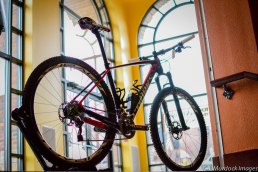
Newer bikes are rolling out so stop by the shop and check out the 2016 bike closeouts featuring Specialized and Giant bikes. If you aren’t in the market for a new bike, then guess what?  Our daily deals offer ongoing specials for your to cash in on.  Specials range from deals on bike parts, tires, shoes, pedals, lights, and all kinds of cycling accessories.  To cash in on these deals, visit our daily closeout and sale section.    

Get New Bike Parts!
If you’ve wanted to try something new, now is the time to do it.  Buy it at a discount and experiment with your bike set up.  With so many bike parts – the question is what to purchase?  Consider getting a high quality wheel set.  A good wheel set impacts ride quality, ease of pedaling, reliability, and functionality.  Maybe purchase some new, lighter tires for your wheels. Another option is to reconsider the current crank set and pedals setup.  Again, you’ll need to stop by or call the shop for details but you never know what is available unless you ask! 

Replace old bike parts!
Replace bike parts regularly.  Don’t wait until you hear odd little noises or you notice that your bike is taking too long for the brakes to engage before investigating.  Some parts of a bike have a set “wear life”. As you put in the miles, they gradually wear out and need to be replaced. Typically, this includes chainscassetteschainringsbrake pads, and cleats.  If you plan to ride through the winter months, stay one step ahead of the game by purchasing these types of bike parts on sale and have them on hand when you need them. 

If these bikes tantalize your bike senses, stop into Peak Cycles in Golden, Colorado to see what you might find at our sale. We’re confident you’ll like what you see!  

Note on bike sale: Bikes must be picked up at Peak Cycles Bicycle Shop in Golden, Colorado.  Bike cannot and will not be shipped. No exceptions. This applies to all Specialized, S-Works, Praxis Works and MSW products.  


Late Season Rally – Tips to Maintain Your Fitness and Motivation

August 10, 2017

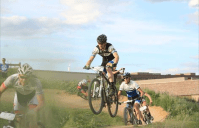
BikeParts.com Team Rider Racing in Colorado

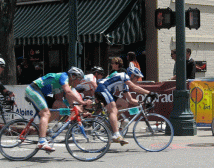
With school starting and only about a month and half left of the Colorado cycling racing and touring season, many are filling up their calendars with the last big events of the season hoping to capitalize on the fitness gains made during the season.

Some of the popular Colorado races and tours on tap for August include:

Yet, as we transition from summer to fall, many cyclist find their enthusiasm for riding dwindling.  Have you noticed that at the beginning of the race season, enthusiasm and energy is high!  About the mid-season point, accumulated season fatigue catches up with most racers and cyclist. Recovery rate from workouts and from races slows down and finally, by the end of the season, some find their motivation just plain lacking.  With that in mind, what are the ways to maintain motivation while also capture added gains towards next year’s goals? 

The key to late season racing and bike events is really to have fun! Try new events, ride routes, and races. Now is the time to enjoy the gains of your hard work.  With fitness levels high, late season bike events offer a chance to experiment with race strategies and new cycling accessories. Venture out of your comfort zone and try racing a new road bike or mountain bike for one of the events mentioned above.

If experimentation isn’t your thing, then at least replace worn out bike parts or catch deals on bike close outsbike parts and components. Stock up on cycling apparel for the fall and winter months to keep motivation high through the transitioning season.

Or, maybe training is too grueling for you this time of year. Switch from training to riding to work.  Bike commuting helps get in the miles while offering up time for other fun activities. Other fun activities include strength training and yoga.  Both of these activities help to extend the fitness gains you’ve made through the current year.

Another option for fun is adding in some skill training. During peak training periods, bike skills and technique is often overlooked.  Why not spend some time improving your bike skills? The video: Five key skills to improve your bike handling offers great visuals and the post, Body Position on the MTB, dials in where you need to be on the bike to ride your best.  Experimenting late season avoids the risk of injury during peak races but also can offer a new challenge – like learning how to do a track stand.

Enjoy the fitness gains you have made through the season. Have fun!  Having a fun, relaxed attitude combined with a celebratory bike event is a great way to finish your season.


5 Tips for Cycling in Hot August Weather 

August 3, 2017

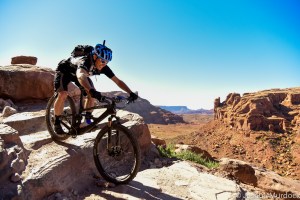
Team Rider at BikeParts.com Riding in Moab

Here in Colorado, we’re now into super warm temps and managing the heat while riding and racing is critical not only to comfort, but also performance. Many cyclist, whether recreational or competitive, find dealing with the heat an issue.

Think about it. Heat is the ultimate enemy for a cyclist, because after a point, the hotter you get, the slower you’ll go.  If the weather won’t cooperate to be cooler, then what can you do about it? 

When it is hot, especially when temps are in the 90-100F (36-40C) range, your body needs to work harder to keep your core temperatures in a safe range to allow the organs to function normally.  There are numerous heat–coping strategies to consider when planning a high-intensity workout or doing a race in hot weather.

Tip#1
If you haven’t exposed yourself to the warmer temps, you should.  One tip is to acclimate.  It takes about 10 to 14 days of frequent exposure to heat for your body to adapt. During this period of time workout daily in hot conditions at a lower-than-normal intensity. After a couple of weeks of near-daily exposure to hot conditions you will begin perform better in the heat than prior although performance will still likely be diminished from what you might have done in cooler conditions.

Tip #2
This is obvious, but an often overlooked component. Hydrate. Water is 60% of your body weight and the number one concern on any athlete’s intake list. For both performance and health, the importance of your water intake exceeds that of your vitamin, calorie, and electrolyte consumption. For your road racing needs, be sure to carry the water bottles and containers that you need on your road bike but have extras available for bottles that are tossed and extras for immediate refueling post race. If you’re a mountain bike rider, you know tricky descents can bump a bottle right out of its cage.  This time of year, it’s best to wear a full hydration pack as well as have extra bottles on hand.

Tip #3
Protect yourself from the sun.  While some enjoy exposure to the sun, a sunburn does more than fry your skin – it contributes to fatigue and increases your metabolism. Always wear sunscreen; choose jerseys, shorts, and arm skins with built-in sun protection; and wear a cap under your helmet to shield your head. 

Tip #4
Plan ahead. Planning your route in advance and knowing where the nearest sources of water can be handy in case you find yourself running low at any point. Also, planning a route with options to shorten the ride or take a shortcut back to your starting point in case you start to struggle is also a good plan.  If possible with your schedule, consider riding during the cooler times of the day.  

Tip#5
Recover. This seems like another overlooked strategy but after a long day in the saddle and the heat, you really do need to cool off. Get your legs up. Stay in the shade or AC. It is important to get your core body temperature down so you can recover. We all know that recovery is a critical element of preparing for the next bout of exercise.  One of our favorite recovery products at Peak Cycles Bicycle Shop is PhysioPhyx.  PhysioPhyx LPR takes recovery nutrition to a new level of support and performance by delivering a powerful, evidence-based blend of Carbohydrates + Protein + Leucine.  In fact, recent studies have shown the nutrient trio of Carbs +Protein + Leucine taken after exercise creates an absolute ideal environment for your body to quickly go into recovery overdrive. 

With that said, training and riding in the heat doesn’t have to be so bad.  Wear cooling cycling apparel.  Ride a bike with proper functioning bike parts to avoid over excretion. Need more tips?  Stop by the Peak Cycles Bicycle Shop in Golden, Colorado to chat with our racers, mechanics, and other cyclist to see what works for them.


What Do You Carry With You When You Ride?  

July 27, 2017

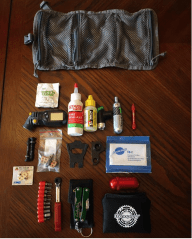
Bike tools at BikeParts.com

When riders head out for their rides, most cyclist think luck is on their side.  Good luck with weather, riding conditions, and a lack of mechanical issues.  But sometimes, luck is not on your side.  Then what do you do?

Basically, there’s just no chance in risking it – it’s best to be prepared. Before you start on your ride you should think about a few things that will make your ride a much more pleasurable experience even if something goes wrong.  At Peak Cycles Bicycle Shop, following are our staff suggestions to bring along on your rides.  

Basic repair and maintenance kit
There are a few items you should bring with you for bicycle mechanical emergencies. All these items can fit in a small seat bag.  The basic supplies you should have in your kit include a spare inner tube, tire levers, patch kit, mini-pump, and a folding multi-tool.  In case of a chain break bring a chain master link. A small paper clip or zip tie can help keep the chain together to limp the bike home. While not considered essential items, some cyclist take their basic kit a bit further and include other items like a small amount of duck tape, zip ties or rubber bands. 

Water and/or sports drink and a light snack
Staying hydrated is a necessity on a ride of any length, even in cooler weather. You might think that on a shorter ride, a snack is not necessary, but a breakdown or other unforeseen circumstances might put you out on the road or trail longer than you expected. Given that gels and bars are small, just slip a few in your jersey pocket to have on hand. 

Cash, ATM card, Personal Identification
You don’t need a lot of cash but a little cash, say $5 or $10 just in case you want to stop for food or water.  Also, it’s important to bring some sort of identification.  A drivers license works best; others prefer to wear a RoadID. If you don’t wear a RoadID, you will want to carry something that has contact information in case of an emergency.  

Despite the fact that most rides go well, there’s a lot that can go wrong on a ride and the chances are they’ll go wrong when you’re at your farthest point from home. Make it easy on yourself and have the right bike parts, cycling accessories, and bicycle tools with you. 


The Trails Are Calling  – Steps to Transitioning from Road to Trails 

July 20, 2017

Peak Cycles/Bikeparts.com enjoys the evening views off Lookout Mountain

Do you hear the call of the mountain bike trails? Maybe you’re a bike commuter or you mostly ride the road and are curious about riding some of the popular mountain bike trails on the Front Range.  

Oftentimes, those making the transition from concrete to dirt experience a little trepidation in knowing what to expect and how to make the move with ease. However, with our tips, you’ll be shredding trails in no time!

First and foremost, you need to decide what mountain bike to ride.  Our post, Which Mountain Bike Should You Buy, walks you through all the options available, the pros and cons of each and help dial that in for you. Granted, you’ll need a mountain bike but what size wheel, bike components, hard tail or full suspension, and all the bike parts associated with your mountain bike of choice is up to you. Obviously, we’re here to help you so stop in Peak Cycles Bicycle Shop to test ride some mountain bikes, as well as, get all of your questions answered.

Notably, after you have your bike – or get a rental bike – you’ll need to get the right cycling apparel.  If you’re a road cyclist or a commuter, you can wear some of the same clothing.  For instance, your helmet, jersey, and shorts will work. However, you may consider full finger gloves to protect your hands.  Also, mountain bike shoes are helpful.  Unlike road riding, when riding trails it isn’t uncommon to jump off the bike, walk or jog through a section, and then jump back on. Surprisingly, you may also want to swap out your road sunglasses for transition lenses. Mountain bike trails are exposed and also heavily covered with negation and trees making visibility different than when riding the road.  Protecting your eyes is one thing but being able to see the trails and ride comfortably is another. 

The next question is, where to ride? Trail difficulty ranges from easy to hard. The best part about harder trails is that if it seems to challenging to ride, you can walk that section. On the plus side, seeing challenging terrain gives you something to aim to achieve later. All of Golden’s trails can be found on the City of Golden website. For your convenience, however, we thought we would highlight some of our favorite cycling trails.

Chimney Gulch Trail – Skill Level: Moderate – Advanced
Not too far away from downtown Golden, Chimney Gulch is a visitor and local favorite because it ascends the well-known Golden landmark — Lookout Mountain. Chimney Gulch is mostly an uphill climb which winds through the Golden foothills and emerges at the top of Lookout Mountain. At the summit, you can park your bike to enjoy gorgeous mountain and city overlooks or visit the Lookout Mountain Nature Center and Preserve. And the way down is all downhill!

Apex Trail – Skill Level: Moderate – Advanced
Similar to (but less popular than) the Chimney Gulch Trail, the Apex Trail winds up and up into Golden’s western foothills. For much of the way, the track is surrounded by pine forests, giving you a feeling that you are far away from the bustle of city life. The Chimney Gulch and Apex trails can actually be connected for an extended ride up one and down the other. If you are combining the trails, you may want to consider stopping at Buffalo Bill’s grave at the top of Lookout Mountain.

North and South Table Mountain – Skill Level: Easy – Moderate
Both North and South Table Mountain (located on the east side of Golden) offer a unique mountain biking experience. The flat-top mesa makes for relatively easy cycling, which gives riders the chance to enjoy the open prairie. Both mesas have multiple access points and extensive trails that weave on top and along the side of the mountains, just out of reach of urban Golden. We find that morning and evening light glancing off the prairies make for an especially special ride on these trails.

White Ranch Trail – Skill Level: Moderate – Difficult
If you are looking for solitude, this is one of your best bets. On the north end of Golden, the White Ranch Park offers a different type of beauty from the rest of town and encompasses meadows, pine forests, views of buttes, and unique rock formations. It has about 20 miles of trails that wind through both rugged and gentle terrain.

With all this in mind, it’s important to note that before taking your mountain bike for a spin, it’s important to be prepared. Having plenty of waterfood and nutrition, extra tire tubes, and repair kits, as well as the right tires and maps will ensure you have an enjoyable and stress free experience. So what are you waiting for?  Answer the calling of the trails – ride them! 


Do You Know These 5 Important Bike Fit Tips?

July 13, 2017

Get the Right Bike for You at BikeParts.com

If you’re riding for an hour or less at a time on a properly-fitted bike, you probably won’t be riding for long enough for that to matter. A bike that fits well and is right for your height, flexibility and riding style is a bike you’ll love riding and you will find yourself looking for reasons to ride your bike.  

However, a bike that fits poorly can lead to inefficient riding, muscle aches and pains, and general discomfort that might discourage you from riding as long or as far as you want.  Whether you are buying a new bike, switching between bikes, or simply installing a new saddle, bike fit is important.  

As you know, bikes come in all sizes and shapes, and there are endless bike parts and cycling accessories that can be added or swapped to make bikes a better fit for you. When considering a bike that will actually fit you, most bike experts consider things like frame size, frame dimensions, saddle height, top tube and stem dimensions, knee and cleat position, handle bar size, crank length and body angle.  Following are the 5 important bike fit tips to help you dial in your ride. 

  1. Get the correct bike for your needs.  Getting a bike whose frame matches your body is the most important part of bike fit . If the frame size is wrong, you probably won’t be able to adjust the seat and handlebars enough to compensate. Some adjustments can be made easily with the bike’s existing components (seat height, angle, etc.) and some may require swapping out a component (as in, a new stem can change the location of the handlebars for a more comfortable riding position).
  2. Seat height. When you’re pedaling and your leg is all the way down, your knee should be slightly bent. If your leg is straight (knee locked), your seat is too high. If your knee is very bent,  your seat is too low. Either problem can hurt your knees, and a seat height that’s too short robs you of power and makes it harder to ride.  To get the proper seat height, you want the saddle to be high enough that your heel barely touches the pedal at the bottom of the pedal rotation, but not so high that your heel comes above your toes at the bottom of the pedal stroke. 
  3. Seat position. Saddle setback another important measurement to get right. The front of your kneecap should be directly over your pedal spindle when you’re mid-pedal stroke. Most bike fitters dangle a piece of string with a small weight at the bottom (a plumb line) from the side of the rider’s kneecap to see if it lines up directly with the spindle—you may need to enlist a friend to help get this exactly right.  Or better yet, schedule a bike fit at our shop and we’ll help you do it! 
  4. Reach to your handlebars.  Handlebar reach is simply the distance you reach from your saddle to your handlebars. Aim for a riding position that gives you a modest amount of shock-absorbing bend in your arms without forcing you to reach too far to apply the brakes.
  5. Handlebar height. Your handlebars should be at least as high as your seat.  

At Peak Cycles Bicycle Shop, we believe that there is much more to fitting a cyclist to his/her bicycle than just the physical dimensions of a bike. Each cyclist has a different history, experience, comfort level, and goal on the bike; each of these variables are important to the bike-fit process. 

If you’re still struggling to nail these three measurements, you may want to consider a bike fit. With eleven years of fitting experience and over over two-thousand fits, George Mullen at has the experience, the tools and the advanced training to handle any fit scenario. Stop by the Peak Cycles bike fitting studio to schedule a fit.  Also, order any bike parts you need from a recent fit online at bikeparts.com.  We offer a  huge selection of road bike parts, mountain bike parts, BMX bike parts and more. If you need it for your bike, then we have it!


How to Get Faster with Cycling Lessons from the Pros

July 6, 2017

Train to Win like a Pro Cyclist

Watching the pros battle it out daily during the Tour de France can inspire you to emulate whatever it is that makes them go so fast! You may wonder, how many miles a week are they riding? What are they doing on and off the bike that aids in strength, speed, and recovery?  

As amateur cyclists, are there lessons to be learned from pro cyclists that can be applied to non pro riders?  Absolutely – here’s how! 

  • Pro cyclist set goals.  What you can do is personalize your training and narrow the focus of your training to get the best results.  
  • To aid with goal setting and performance reviews, pro riders train with power and heart rate.  Some mistakingly think that technology takes away the “riding experience” or that it is too costly for their level of riding.  However, times have changed and power meters are much more affordable.  They offer objective bio feedback to help you perform your best.  Our most popular are Stages Power Meters beginning at $1000.  Stages Power meter is the lightest, smallest, most technologically advanced unit available today.  Another option is the Pioneer Power Meter offered at $2000 and is a bit more sophisticated.  A third favorite is a company that’s been around for a while now – PowerTap Power Meter.
  • Obviously, pro cyclists ride really nice bikes!  That’s a given. Great road bicycles don’t have to come at a hefty price tag either.  Check out our road bikes online at bike parts.com to find a new bike for you.  
  • Pro cyclist have have a bike that fits, they have the right bike parts, and they wear the appropriate cycling accessories. It may seem obvious but the small things add up to bigger gains. Easy fixes for an amateur rider! 
  • Pro cyclists take nutrition seriously – on and off the bike.  Many cyclist have different preferences as to how they prefer to get their fuel while riding – whether that is in nutrition bars, gels, and liquids. However, oftentimes, the course may dictate other options. Regardless, proper on bike nutrition is critical.
  • Pro cyclists focus on R&R or active recovery is good too.  Some of the most elite cyclists use yoga as part of a successful training program, including 2012 Tour De France winner Bradley Wiggins. Wiggins’ benefits from the focus it brings to his cycling, while others, such as pro mountain biker and Olympian Jeremy Horgan-Kobelski, use yoga to gain strength. From power to endurance, athletes at all levels are incorporating yoga to gain an edge over the competition, and prevent injury.

While you may not be a pro cyclist, you can certainly benefit from the training elements of a Tour rider lifestyle.  Stop by the Peak Cycles Bicycle Shop or connect with us on Twitter and Facebook for more training tips and cycling information to make the best of your summer cycling season.


6 Ways Cyclist Are Celebrating the 4th of July on Their Bike 

June 29, 2017

Happy 4th of July from BikeParts.com

While most Americans celebrate the 4th by grilling, outfitting themselves in the American flag, and watch fireworks, cyclists around the country seem to agree with the notion that July 4th should be celebrated on a bike.

Family barbecues, warm weather, and a feeling of freedom convert flawlessly into an invigorating, fun cycle. What are the most common ways cyclist are celebrating the 4th with their two wheeled friends? Following are the top ideas we’ve heard at Peak Cycles Bicycle Shop: 

  • Race – Celebrate the 4th of July by racing!  Whether it is racing on a road bike or a mountain bike, you’ll want to check out the races that are going on this holiday weekend on 303 Cycling’s Race Calendar.
  • R&R – If you are up for some “active” rest and relaxation, then sit back and watch the Tour de France! Beginning July 1 – 23rd, the daily stage races offer your daily fix of cycling drama! No doubt, watching the tour will get your adrenaline will be pumping!
  • Drink – and it’s not what you think!  While you might think of the 4th of July as an opportunity to consume adult beverages, we’re actually talking about water and other nutritional products. It’s hot out there folks -hydration and proper fueling for riding is important! Many cyclist have different preferences as to how they prefer to get their fuel while riding – whether that is in nutrition bars, gels, and liquids.  Some of our favorite nutritional products for summer are: Oslo nutrition ,  Scratch Labs, and Honey Stinger products. Stock up now and be ready to roll for the entire month of July. 
  • Bike commute – Maybe hanging out with friends and your family is your thing for the 4th of July.  That doesn’t mean you have to forgo your bike ride.  Bike commute to the farmer’s market, to see fireworks, to see a music festival, or a local restaurant.  A casual stroll on the bike is enjoyable for everyone. Plus, you get to see the local sites without the heavy breathing and fatigued legs you may experience when doing a full blown ride. 
  • Bike maintenance – With a little extra time off from work, many cyclist enjoy performing much needed bike maintenance over the holiday weekend.  Replacing worn bike parts and cycling accessories without the stress of added work and family pressures makes bike maintenance a pleasure and not a chore.  If the kids are around, engage them in the process and teach them a thing or two about bicycles.  Who knows? You might inspire them to ride too! 
  • Last but not least, if you are looking for additional ideas on celebrating the 4th with your two wheeled friend, check out our post, Red, White, and Blue: 5 Ways to Celebrate the 4th of July on Your Bike

As a reminder this 4th of July, our shop BikeParts.com offers a huge selection of road bike partsmountain bike partsBMX bike parts and more. If you need it for your bike, then we have it!  Visit us in in Golden, Colorado to pick up your 4th of July cycling accessories or visit us online at BikeParts.com.  

Happy 4th of July friends! 


Effective Training Techniques for Cycling in the Heat

June 22, 2017

Peak Cycles/ BikeParts.com Team Rider cooling off after a ride

Heat is the ultimate enemy for a cyclist, because after a point, the hotter you get, the slower you’ll go.  Unfortunately, to generate pedal power means your body exerts itself and generates heat. With the temperatures climbing, is there a way to beat the heat and still make gains with effective training? You bet! Read on for our strategies to beat the heat.

Exposure: According to the post, 4 Keys to Effective Training in Hot Weather, states that exposing yourself to warmer temperatures on a consistent basis is key to acclimating to hot temperatures.  Also, “Acclimating typically takes two weeks of consistent heat riding. While you don’t need to ride every day in high temperatures, when you’re trying to acclimate, don’t go more than two or three days between hot training sessions.”

Hydration: This is obvious, but an often overlooked component. Hydrate. Water is 60% of your body weight and the number one concern on any athlete’s intake list. For both performance and health, the importance of your water intake exceeds that of your vitamin, calorie, and electrolyte consumption. For your road racing needs, be sure to carry the water bottles and containers that you need on your bike but have extras available for bottles that are tossed and extras for immediate refueling post race. If you’re a mountain bike rider, you know tricky descents can bump a bottle right out of its cage.  This time of year, it’s best to wear a full camelback as well as have extra bottles on hand.

Recover: After a long day in the saddle and the heat. Cool off. Get your legs up. Stay in the shade or AC. It is important to get your core body temperature down so you can recover. We all know that recovery is a critical element of preparing for the next bout of exercise.  One of our favorite recovery products at Peak Cycles Bicycle Shop is PhysioPhyx.  PhysioPhyx LPR takes recovery nutrition to a new level of support and performance by delivering a powerful, evidence-based blend of Carbohydrates + Protein + Leucine. This potent combination of nutrients has been precisely formulated to help ensure you rapidly and effectively restore muscle energy (glycogen), minimize muscle soreness, stimulate muscle repair ands peed training adaptations after moderate, intense and exhaustive exercise or competition. In fact, recent studies have shown the nutrient trio of Carbs +Protein + Leucine taken after exercise creates an absolute ideal environment for your body to quickly go into recovery overdrive. 

With that said, training in the heat doesn’t have to be so bad.  Wear cooling cycling apparel.  Ride a bike with proper functioning bike parts to avoid over excretion. Stay hydrated and recover. Ride on friends! 


Father’s Day Gift Ideas for Cycling Dads 

June 15, 2017

Father’s Day cycling gifts at BikeParts.com

Are you a last minute Father’s Day shopper looking to give your Dad a different kind of Father’s Day gift this year?   If  you’re stuck wondering what to get your cycling Dad for Father’s day, then look no further!  At Peak Cycles Bicycle Shop, we have all the  cycling apparel and cycling accessories, your Dad wants. 

A no brainer for Father’s day are bike parts! Think new drivetrain parts, brakes, saddle, and wheel set.  We have it all!  Top that off with some extra water bottles, nutrition items like gels and waffles and your Dad is all set.  Granted, you might not know the precise bike parts your Dad wants, so opt for a gift certificate. He can pick out his favorite items and you get the credit for being a great kid! 

Next up – gift a Bike fit.  Does your Dad complain of hands falling asleep while riding? Or shoulder or neck pain after a long ride? A bike fit isn’t just for professional riders – they are for anyone who rides whether they are a beginner or advanced rider. A bike fit helps ensure riding comfort but it also impacts technique which is crucial to preventing overuse injuries and how an athlete rides. Consider giving your Dad with a bike fit for Father’s Day. This will your Dad ride pain free all year long.  Give us a call (303) 216-1616 or stop by the shop in Golden to schedule your bike fit.

Finally, gift your Dad with some super powers!  Well, not exactly super powers but you can gift your Dad the gift of power – power meter that is! The main idea behind using cycling training tools is to dial in training to optimize performance as it relates to specific goals and objectives. Our post, The Best Training Aids to Launch into Spring Cycling, dives into the benefits of training with power. As for which power meter to purchase, consider our most popular one, Stages Power Meters, beginning at $1000. Stages Power meter is the lightest, smallest, most technologically advanced unit available today.  Another option is the Pioneer Power Meter offered at $2000 and is a bit more sophisticated.  A third option is a company that’s been around for a while now – PowerTap Power Meter.  

See how easy it is to get your cycling Dad a great gift for Father’s Day? If by chance you are still in need of ideas for creative Father’s Day gifts, stop by the shop in Golden, Colorado or give us a call at Peak Cycles Bicycle Shop (303) 216-1616 and we’ll gladly help you out!  Happy Father’s Day!


Answering the unanswerable: What wheel size should I buy? (And what’s the difference, anyway?)

June 11, 2017
Wheel Size Post-4

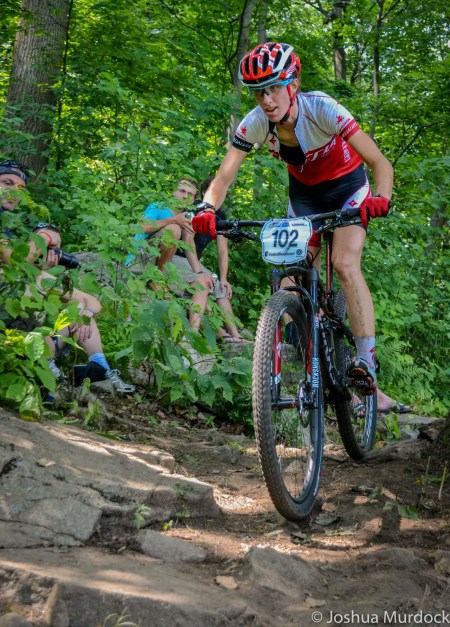
Former Specialized Racing rider Todd Wells competes in the short track race at USA Cycling Cross-Country Mountain Bike National Championships in Bear Creek, Pennsylvania, in July 2013. Wells rode an S-Works Epic 29 full-suspension in the cross-country race and an S-Works Stumpjumper 29 hardtail in short track. 

Recent events in the 2017 UCI Downhill World Cup series have once again thrust the never-ending debate over mountain bike wheel sizes into the spotlight: Greg Minnar won the Fort William Downhill World Cup on a 29er.

It’s up to downhill purists and park rats in chairlift lines to decide what it all means for downhill racing, but one thing is certain – the limitations of big wheels might not be where the industry thinks they are. And if 29ers can race World Cup downhill, what can’t they do? Well, for one, 29ers probably won’t make an appearance at Red Bull Rampage anytime soon, nor will they feature in slopestyle or dirtjumping. But then again, people said the same about 29ers and downhill racing until just a few weeks ago, when images of prototype 29er race bikes appeared on top downhill riders’ Instagram feeds.

So, now that there are three wheels sizes – 26er, 27.5 and 29er – to choose from, what makes sense for you?

There is no “best wheel size” or “right wheel size,” but, like the genre of mountain bike you ride, there is a wheel size that’s best for you and for what you do.
Wheel Size Post-2

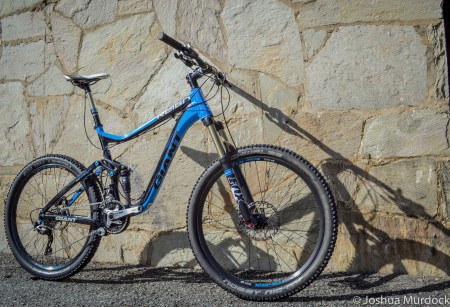
This 2013 Giant Reign 1 is an example of one of the company’s last 26-inch bikes before switching almost exclusively to 27.5. The Reign remained 26-inch though 2014, but went 27.5 the following year. 

For starters, let’s review some technical details. The wheels and tires referred to as 26, 27.5 and 29 inches do not actually measure those dimensions. Although the outer diameters of the tires, when mounted and inflated, are roughly those sizes, the rims and tire beads are smaller. According to the website of the late, great cycling expert Sheldon Brown, which still serves as a definitive source for mechanics today, ISO measurement, the technical standard for categorizing rims, is the diameter of a rim from bead seat to bead seat. In other words, ISO is the rim diameter in millimeters from where the tire bead rests within the rim. Due to varying rim wall heights, the overall outer diameter of a rim is generally 5-10 millimeters greater than ISO diameter.

Wheels referred to as 26 inch are ISO 559, meaning the rim is actually 22 inches across from bead seat to bead seat and, correspondingly, the tires are 22 inches across from bead to bead. Wheels called 27.5 inch, also called 650b, are ISO 584, or 22.99 inches. Wheels called 29 inch are ISO 622, or 24.48 inches.

But, of course, that’s the diameters of the rims and tires where the tire bead interfaces with the rim – the outer diameter of tires mounted and inflated on those rims is much closer to the common names of 26, 27.5 and 29 inches.

One of the few things more difficult than picking a wheel size in 2017 is trying to find a 26er bike on the floor of a bike shop. Just like punk, 26 isn’t dead, but it’s not what it was in the ’80s and ’90s. For the purpose of this piece, we’ll stick to the two sizes found on nearly all mountain bikes today: 27.5 and 29.

In the mid-2000s, 29-inch wheels began showing up on ungainly cross-country hardtails, and the size didn’t make too much of a splash until almost 2010, when hardtail 29ers began dominating U.S. cross-country races. Full-suspension 29ers soon became the norm, and in 2011, Jaroslav Kulhavy was the first rider to win the UCI Elite Men Cross-Country World Championships on a 29er, blasting to a commanding victory on an S-Works Epic 29.
Wheel Size Post-3

Lea Davidson of Specialized Racing rides a (likely final prototype) 2014 S-Works Epic 29 at USA Cycling Cross-Country Mountain Bike National Championships in Bear Creek, Pennsylvania, in July 2013

But as 29ers quickly grew to be the dominant wheel size on 4- and 5-inch travel mountain bikes, many riders contended that big wheels and big suspension didn’t mix – at least not yet. Companies satiated the demand for slightly  larger wheels on longer-travel bikes by fully supporting what used to be an oddball wheel size: 27.5 inch.

At 22.99 inches in ISO diameter, 27.5-inch rims are just 0.99 inches larger in ISO diameter than 26-inch rims and a full 1.49 inches smaller than 29er rims. So, despite the name, 27.5-inch wheels are not halfway between 26- and 29-inch wheels; they’re closer to 26 and further from 29. They provide a slight traction and angle-of-attack advantage over 26ers while accelerating quicker and being more easily maneuvered than 29ers.

Wheel Size Post-5

The 2014 Giant Trance Advanced 1 is an example of a 5-inch-travel, 27.5-inch-wheeled trail bike, a common combination of suspension travel and wheel size. 


If you’re a rider who charges straight through rough terrain, preferring to ride over obstacles rather than around, then 29-inch wheels will better suit your riding style than their smaller counterpart. It comes down to angle of attack, or how easily a wheel can ride over an obstacle. Think of it this way, just like a bicycle rolls over a pebble better than a skateboard does – because the bicycle’s wheels are bigger – a bicycle with bigger wheels will roll over an obstacle better than a bicycle with smaller wheels.

The larger wheels also provide a longer contact patch of tread on the ground as the bike rolls forward, creating more traction. More traction is good, well, everywhere: climbing, cornering and descending.

Wheel Size Post-1

With 29-inch wheels and 4 inches of suspension travel front and rear, the S-Works Epic was the first 29er (and first full-suspension) to establish itself atop cross-country race podiums at the UCI World Cup level. Pictured here is the 2014 model.

But some riders would rather pick lines through technical sections and between obstacles, rather than over them. And some riders don’t like the marginally larger turning radius 29ers have, or that they can be a bit more to handle in the air. For riders who want supreme flickability and snappy acceleration over all else in a bike, 27.5-inch wheels provide all that while still giving a small rollover and traction advantage over 26ers.

Also, some riders’ belief is that big suspension and big wheels together are simply too much bike.

Aside from handling, another decision point between 29 and 27.5 is rider height. Just like kids bikes have progressively larger wheels for taller kids, starting with 12-inch wheels and progressing to 24 inch, adult bikes can now be tailored the same way. Many shorter adults find that 27.5-inch-wheel bikes fit them naturally, while 29ers feel too big. For many taller riders, 29ers are a godsend – finally they have a bike that fits!

Wheel Size Post-6

Sina Solouksaran races an extra-small Giant XTC carbon hardtail with 27.5-inch wheels in Golden, Colorado, in the fall of 2015. A shorter rider, Solouksaran sticks to 27.5-inch wheels. 

And these trends are common in what we see on the market today. Cross country bikes, like the  Specialized Epic hardtails and full-suspensions, come with 29-inch wheels. Enduro bikes with 6 inches of travel, such as the Specialized Enduro and Giant Reign, come with 27.5-inch wheels.

But brands get creative, too, often pushing the limits and providing options.

The five-inch travel Specialized Stumpjumper FSR is offered with both wheel sizes, as is the Enduro. Giant, arguably the brand most committed to 27.5, offers models with options of 27.5 or 29, such as the XTC hardtail and Anthem cross-county full-suspension.

There’s no right answer to the wheel size debate. Some riders have different wheel-size bikes for different applications, such as a 29er for cross-country and a 27.5 for trail. The only way to discover which wheel size is right for you, given the riding you intend to do, is to head to your local shop, tell the guys and girls there how you ride and what kind of bike you’re seeking, and take a few bikes out for a spin.

Peak Cycles bike shop has demo bikes with 29- and 27.5-inch wheels, both trail and cross-country. We also have dozens more on the sales floor.

Not even sure what kind of bike you want – full-suspension or hardtail, cross-county, trail or enduro? All of that is broken down in this post: What mountain bike should you buy?


The Do’s and Don’ts to Completing Your First Big Charity Ride

June 8, 2017

Peak Cycles Bicycle Shop / BikeParts.com Riding

If you are a casual bike rider and have opted to push your personal limits and go for a big event, have you found yourself perplexed about preparations?

Oftentimes, those making the jump from one level of fitness to another find themselves wondering about what to expect.  Most riders just want to make it to the end of the ride.

Yet, we are here to offer our tips to help you to not only finish your big charity ride – but also, enjoying every pedal stroke of it.  Enjoy our do’s and don’ts of mastering your charity ride.

Do prepare your bike in advance.  This is an obvious but overlooked first step. Give your road bike a once over.   Notice any bike parts that need to be replaced.  As an example, your saddle  may look and feel fine, looks can be deceiving.  Materials and composition deteriorate beyond what is visible.  Consider replacing worn bike parts and purchasing new cycling accessories you may need. 

Do know the course and aid stations.  Review the course.  Identify aid station sand watch the weather.  Primarily, you want to anticipate your needs as you tick off each mile.  For instance, learn or write down on a card to put in your jersey the mile markers for the aid stations.  You may also make note of the mileage between aid stations.  You may end up passing through the earlier aid stations only to stop more frequently at the the aid stations later in the event.  Having this knowledge is helpful mentally and helps you gauge your energy during the ride.

Do pack extra cycling accessoriesIf the event offers drop bags, you may consider placing extra gloves, a rain jacket, lube, and maybe even a small towel in your drop bag.  Pack your nutritional and clothing needs to pair with the aid stations so that you ride with the items you need and can gather extra when needed.  These necessary items can make all the difference in avoiding discomfort in poor weather and /or poor riding conditions.

Don’t forget the basic essentials. Lay everything out the night before. Basic essentials include your every day cycling apparel: helmet, gloves, shoes, socks, shorts, jersey, sunglasses, water bottles, food, and sunscreen.

Don’t go out too fast.  Pace yourself. It’s tempting to go out too hard when you are feeling fresh and the enthusiasm is high.  You’re going to be in the saddle for a long day; so be mindful of your pace, as well as, your ongoing nutrition needs.  Eat and drink as needed and avoid consuming too much at the aid stations.

Don’t compare yourself with other riders. If this is your first big event, most likely, you won’t be in the front group.  Sometimes that can be discouraging; other times that can be comforting. Regardless, it is important to benchmark your success based on your own achievements.  Be inspired by fitter and faster riders and celebrate in your achievement of finishing your big event at your pace and in your way.

Most of all, enjoy the ride!  Take these do’s and don’ts and create your own guidelines to successfully master all of your big, epic rides!


Our First Hot Weekend of Racing! Managing the Heat and Optimizing Performance

June 1, 2017

Peak Cycles Bicycle Shop / BikeParts.com Team Racer

Bye bye snow and rainy days. Hello blue skies and warm temps!  Finally, we’re getting some rideable weather here along the Front Range in Colorado.  Great timing too!  This weekend, June 3-4th, marks the beginning of June racing and there are quite a few mountain bike and road bike events taking place: 

Not too long ago, we shared in our Peak Cycles blog post 5 race day strategies to prepare for the Spring races in Colorado highlighting the importance of setting goals, knowing the race route, establishing race day rituals and getting into the proper mental state for racing.  The post, 5 Steps to Being Race Ready, reinforces the need for mental and physical preparation, as well as nutrition and bike parts checks, but part of racing is using your energy effectively – especially during the summer heat.

Since it’s early season and most of us have been accustomed to the cooler temperatures, it’s important to take note and prepare accordingly for the warm weather this weekend.  Managing the heat while riding and racing is critical not only to comfort, but also performance.  Many cyclist, whether recreational or competitive, find dealing with the heat an issue.  Suffering from some degree of cramps at one time or another or heat related stomach issues, the heat brings on specific challenges to overcome in the summer months.  What, if anything, be done to help you train and race best in the heat?

When it is hot, especially when temps are in the 90-100F (36-40C) range, your body needs to work harder to keep your core temperatures in a safe range to allow the organs to function normally.  There are numerous heat–coping strategies to consider when planning a high-intensity workout or doing a race, like those mentioned above, in hot weather.

If you can, acclimate.  It takes about 10 to 14 days of frequent exposure to heat for your body to adapt. During this period of time workout daily in hot conditions at a lower-than-normal intensity. After a couple of weeks of near-daily exposure to hot conditions you will begin perform better in the heat than prior although performance will still likely be diminished from what you might have done in cooler conditions.

Focus on nutrition. You want to eat “quality” carbs leading up to, and including, a hard effort or race day.  That includes eating plenty of fruits, veggies, etc.  Watermelon is a great fruit (carb) to consume even during race day.  Also, remember to stay away from the simple carbs. i.e. sugars, sweets, prior to the race or training in hot conditions.

This is obvious, but an often overlooked component. Hydrate. Water is 60% of your body weight and the number one concern on any athlete’s intake list. For both performance and health, the importance of your water intake exceeds that of your vitamin, calorie, and electrolyte consumption. For your road racing needs, be sure to carry the water bottles and containers that you need on your bike but have extras available for bottles that are tossed and extras for immediate refueling post race. If you’re a mountain bike rider, you know tricky descents can bump a bottle right out of its cage.  This time of year, it’s best to wear a full camelback as well as have extra bottles on hand.

To train and compete at your best during this upcoming events, it is important to understand how your body copes with heat, and what you can do to keep cool.  Everyone adapts differently to heat stress.  

Need more tips?  Stop by the Peak Cycles Bicycle Shop in Golden, Colorado to chat with our racers, mechanics, and other cyclist to see what works for them. Maybe you’ll learn some new heat-coping strategies that will keep you cool when the racing and riding gets hot!


Best Front Range Trails for Riding this Memorial Day Weekend 

May 25, 2017

Memorial Day Weekend 2017 starts Thursday, May 25 and goes to Monday, May 29. Kick off the Colorado summer with a concertfestival, and of course bike rides! The question many ask is, where should I ride?  Provided your committed to the Golden, Colorado area, staff picks include: 

  • White Ranch Trail
  • Dakota Ridge and Red Rocks Trail
  • North Table Mountain
  • Green Mountain Park
  • South Table Mountain
  • Chimney Gulch Trail
  • Apex Park Trail
  • Golden Gate Canyon State Park
  • Lair O’ the Bear

Before you head on any of these rides, be sure to be prepared!  Be especially considerate if you are taking young ones with you out on the trails. or other riders that may not have been riding for a while.    

  • Know the profile – How much climbing and descending should you expect?
  • Know the route – Where  is the trailhead?  How long is the route?  What is the technical difficulty? What type of terrain will you be riding?  And, What are the current trail conditions?
  • Know the weather conditions before, during, and soon after you expect to ride.  Colorado weather changes quickly and sometimes, radically.  Be prepared.
  • Know what cycling apparel to wear.  Being over or under dressed makes for an uncomfortable ride.
  • Know which bike components are best for the terrain type and the right mountain bike tire to use.

While these may seem like common sense things to address,  you’ll want a checklist of essential items to carry with you.

Get ready for a fun weekend of riding! Stop by the Peak Cycling Bike Shop or visit us at bikeparts.com to get all of your cycling apparel, accessories, and bike parts.  And, as a little teaser to whet your appetite for Colorado’s finest, enjoy the cycling videos, pics, and trail reviews. 

Happy Memorial Day weekend!


Managing Early Season Race Day Jitters

May 18, 2017

BikeParts.Com Team Rider Racing in Colorado

Course strategies, break aways, riding in a small group or a large peloton – these are the thoughts and questions of cyclists wondering how to perform their best during in the first races of the 2017 cycling season.

The cycling season is just starting in Colorado and many are filling up their calendars with the big events.  While not a comprehensive list, following are some of the favorite Colorado May road and mountain bike races: 

Sounds good, right? Absolutely! So many different road and mountain bike events to choose from.  The main question is how to prepare? How do you know if you are race ready? Do you have a comprehensive checklist for Spring racing?  Early season races can bring on the nerves like nothing else!  After all, it’s been a while since you raced.  For the most part, experiencing those sensations is normal. Yet, oftentimes, early season jitters can exasperate the problem.

At Peak Cycles Bicycle shop, we’ve found that a little preparation can aid in reducing race day jitters. The post, 5 Simple Strategies for Overcoming Race Day Nerves, guides us through easy ways to shift the perspective of nervousness to be an enabler of positive sports performance. And there are other ideas for managing pre race nerves too.  

As you approach your first race of the season, you may want to read the post, A Guide to Race Day Nutrition to dial in your preferences as to get your fuel – whether that nutrition is in bars, gels, and liquids.  Also, while it may seem obvious, give your race bike a once over.   Notice any bike parts that need to be replaced. Consider replacing worn bike parts and purchasing new cycling accessories you plan to use for your A races later in the season.  This gives you a chance to dial in your needs early season and optimize performance in later events. 

Whether you’re entering your first event or you’re a seasoned racer, you’re always likely to suffer from some race day nerves. However, with a little planning you can gain confidence. The best part about early season races is the opportunity to assess your fitness level.  Enjoy the May cycling races in Colorado and use them to catapult you into a great 2017 cycling season. 


5 Awesome Cycling Gift Ideas for Mother’s Day 

May 11, 2017

Mother’s Day Cycling Gifts at BikeParts.com

You love your Mom and your Mom loves to ride. So what do you do for Mother’s Day? Celebrate it with cycling gifts. We’ve pulled together our best Mother’s Day gift ideas, with recommendations you won’t find anywhere else!

Get a New Bike! Surprise your Mom with a new road bike or mountain bike.  If you aren’t sure which one to get her, read up on our post, Here’s How to Buy a New Bike. It will guide you through the process of dialing in the type of bike your Mom wants for the type of riding she will be doing.  

Get New Bike Parts!  If a new bike isn’t an option, then opt for upgraded bike parts.  Help your Mom spin faster with a high quality wheel set.  A good wheel set impacts ride quality, ease of pedaling, reliability, and functionality.  Or, consider purchasing some new, lighter tires for your Mom’s wheels. A third option is to reconsider the current crank set and pedals setup.  Wheels aren’t the only bike parts to upgrade.  Look for worn parts to be replaced with newer, lighter cycling components.  

Get Cycling Apparel! Every woman wants to ride in style. With that in mind, you can never go wrong in getting your Mom cycling apparel!  She can’t have too many jerseys, shorts, tights, jacket, sunglasses, or cycling shoes!  Having a variety of cycling apparel to wear keeps cycling fresh and makes it fun to get out and ride!  

Get a Bike Fit!  If your Mom has a bike but doesn’t ride as often as she would like, ask her if her bike is comfortable.  Maybe a bike fit would help.  A bike fit isn’t just for professional riders – they are for anyone who rides whether they are a beginner or advanced rider. A bike fit helps ensure riding comfort but it also impacts technique which is crucial to preventing overuse injuries and how an athlete rides. Give your Mom the gift of riding comfortably.  Give us a call (303) 216-1616 or stop by the shop in Golden to schedule your bike fit.

Get Gift Certificates!  If all else fails, get your Mom a gift certificate.  It can be used for purchasing bike parts and cycling accessories and allows your Mom to select the precise gift that will make her the happiest.  

With Mother’s Day right around the corner, you couldn’t pick a better time to shop for a new bike, cycling accessories, or bike parts. There are so many attractive choices today. Visit us at Peak Cycles in Golden or online at bikeparts.com and we can help with your decision making and offer advice you need to make this Mother’s Day the best ever! 


Slow Down Now to Go Fast Later This Cycling Season

May 4, 2017

No matter how fast you go, you want to ride your bike faster.  Don’t you?  While recreational cyclists are often happy just to get out and enjoy the fresh air, exercise and scenery, almost every cycling enthusiast is always trying to go faster on their bike

Now that the temperature is getting warmer, the days are growing longer, and the weather is improving, Colorado cyclists are beckoned to ride their bikes. While some may have trained through the winter months, many have not.  And the alluring call of gorgeous spring days lures many unprepared cyclist to ride too hard, too fast which can lead to injuries or a set back in the 2017 cycling season.

It may seem counter intuitive to a cyclist, but it is okay to go slow.  

According to the post, Why It’s Cool To Be Slow in the Spring, unless you have a very early season event you were hoping to be in peak condition for, then basically, it’s okay to be a little slower right now.  

At Peak Cycles, we suggest taking the subjective aspect out of your cycling performance evaluation.  How you feel may vary differently from your actual performance. With that in mind, we have cycling accessories to help you get precise bio feedback to remove the guess work out of your training – specifically power meters and /or heart rate monitors. Our post, The Best Training Aids to Launch into Spring Cycling, dives into the benefits of training with power.

You may also want to check out our post, Heart Rate Training – What You Need to Know for our staff picks at Peak Cycles Bike Shop.  You can also learn steps in discovering your “threshold” heart rate range, setting up heart rate training zones, and identifying the daily variables that affect heart rate.  Theses bike parts and cycling accessories put the power of data in your hands so you don’t have to feel slow and can actually track your progress as your fitness improves. 

But, when is it okay to be a little slow on the bike and when is it time to worry about turning that slow into go? Again, the post Why It’s Cool To Be Slow in the Spring tells us, “The short answer—so long as you have a normal base level of fitness—is about eight weeks before you want to be fast.”

So, take your time. Ease into spring. Enjoy quality training now that paves the way for a long, healthy, and enjoyable cycling season.


Bike Safety Comes First

April 27, 2017

Helmets at BikeParts.com keep riders safe!

Vehicle and motorcycle drivers understand that there are certain rules that make things safer for everyone on the roads.

However, they may not know that there are specific guidelines for dealing with cyclists. Likewise, riders must obey certain traffic laws to keep things safe for themselves and motorists. However, you don’t need a license to ride a bike. That’s why it’s even more important to educate both drivers and cyclists about safety on the road.    

At Peak Cycles Bicycle Shop, we provide cycling accessories and cycling apparel to keep cyclist safe.  While having a bike bell, lights, a safety vest, and a helmet are all helpful, we also encourage riders to know the rules of the road.  

Because bike accidents involving vehicles is not as uncommon as you might think, we encourage riders to be mindful of having a well maintained bike with properly working bike parts to maintain safe riding conditions.  We also support mindful bike riding.  As in, not riding on the sidewalk, not riding to close to the curb, maintaining eye contact with pedestrians and motorist, and always wearing a proper fitting helmet. 

The post, An Essential Cyclist Safety Guide for Riders and Motorists, shares more details on bike safety.  Additionally, the post How to Not Get Hit by Cars shares important lessons in bike safety.  Be an informed and safe rider – know the rules of the road and ride safe. 


Pedal Power for Earth Day 

April 20, 2017

Happy Earth Day from BikeParts.com

What’s the best way to celebrate Earth Day?  Ride a bike!  Bike commuting instead of driving alone is one way you can help support the planet while also taking in the joys only a two -wheeled friend can provide!  

Along the Front Range, and in particular, our home town of Golden, Colorado, it’s easy to commute by bike.  Not only do we have a vast network of well maintained bike paths, but at bikeparts.com, we also have all the road parts and mtb parts, commuter bikes, and cycling accessories to make any bike commute or bike ride easy and fun!

Because April 22nd is Earth Day, you might be wondering why is all this important?  As a supporter of our local community and race teams, we know bike commuting is a win-win for our local community. For both businesses and individuals looking to save money, embrace eco awareness, and promote healthy, livable cities, cycling is important. Here’s why:

  • Cycling as alternative transportation helps the environment by reducing carbon emissions.
  • Bicycles emit virtually no pollution when in use; they require far less materials, energy and waste in their production than even the ‘greenest’ car.
  • Cycling offers a certain connection to the open air and the surrounding trees.  It’s amazing how usual surroundings look different when on a bike.
  • Cycling can be done by toddlers, teenagers, youngsters and adults as well.  It can be used as personal time to reflect upon your day or a means to unite friends for regular rides. 
  • Regular participation in a cycling routine naturally shifts your focus to include thoughts of the weather, areas in your community to ride, road safety, and traffic.  Thereby increasing your awareness of the link between the environment and your community.
  • The freedom your bike gives you offers routes and locations that your car can’t.
  • Cycling is a good exercise for overall fitness of the body.  It improves health and reduces stress and tension. 
  • Cycling contributes to a positive work/ life balance. 
  • Bicycles can be produced and maintained locally by local bike shops, like Peak Cycles Bicycle Shop.  This supports local job opportunities and promotes a sustainable economy.
  • Overall, increased cycling commuting reduces air pollution generated from motorized vehicles.

This Earth Day, we encourage you to put your pedal power to good! Get committed and inspire your family, colleagues and others to get on a bike!  Pump up your tires, lube your chain, and put your pedal power to good use!  


Get Your Kids Bike Commuting – Here’s How! 

April 13, 2017

Toddler and Youth Bikes at BikeParts.com

Bike commuting with your children is a fantastic way to introduce them to cycling at a young age. For kids who grow up riding to and from school and sports and friends’ houses, cycling comes to be seen as just a normal, natural way of moving through the world. It’s wonderful to see kids have fun, explore their world, and embrace the wonders only a two -wheeled friend can provide!

As the riding season is upon us, the crew at Peak Cycles Bicycle Shop want to encourage all younger riders to get out there and bike with their friends and families. Following are our tips to do just that.

Know the Rules of the Road
Educate your kids on the the rules of the road. Know what the bicycle laws are in your area, and follow them. In most areas, they are going to be very similar to vehicular traffic. Make sure you stop at stop lights and stop signs, signal before turning, and ride on the street. It’s important to model good behavior and teach your children the rules on the road.

Be Safe
Safety means being mindful of the route you are riding. It also includes less obvious items. As in, make sure your child’s bike is in good working condition. Have water, nutritional items and food available. Remember to have sunscreen in case you are out on your ride longer than expected. A good rule of thumb is to carry basic bike tool kit with you too. All of these items contribute to a positive bike commuting experience.

Have the Right Bike
Help your kids feel more excited about trying out something new, and give them the tools they need to keep succeeding as a young cyclist. This means having a bike that fits. If purchasing a new toddler or youth bike, make sure you avoid the common mistake of buying a bike that they’ll “grow into.” Doing so can set your child back a couple of years. When shopping, be aware that children’s bikes are measured by their wheel size (not frame size). The right size is one where your child can comfortably get on the bike and stand with his or her feet on the ground. If you have questions on the right size bike for your child, visit our staff at Peak Cycles Bicycle Shop. We’re more than happy to help you select the right size bike for your child.

Dress for Success
Kids love clothes, gear, and bike parts too! Dress your kids for cycling success. Investing in a well fitting helmet, along with a jersey, cycling shorts, and a good pair of gloves inspires your kids and affects enjoyment levels and performance. If your child is comfortable, they are going to want to ride. We have bike parts and cycling accessories that includes windbreakers, gloves, shorts, jersey’s, chamois, pedals, hats, backpacks, and bikes that kids love. Most importantly, we have reflective materials to put on your child’s bike to make sure they are visible.

There are countless benefits of bike commuting with kids. Sure, it does take a little effort to bike commute with children, but most good things in life do. Bike commuting as a family provides quality time together, as well as, exercise in the natural environment. Ultimately, bike commuting with your children allows you to play and experience life together. Enjoy!