5 Tips to Transition Toward Spring Cycling Races

April 6, 2017

Spring riding and racing is just around the corner and athletes everywhere are starting to think about their “A” races as well as secondary races to use for training and motivation.  A given rule of thumb is that all races and events provide experience, training benefits, and act as a stage to assess your form.  

However, while some may have trained through the winter months, many have not.  And the alluring call of gorgeous spring days lures many unprepared cyclist to ride too hard, too fast which can lead to injuries or a set back in the 2017 cycling season. To avoid injury or setback, follow these tips to help transition into a healthy and rewarding Spring cycling season.  

Tip #1
Whether you plan to ride a century, multi-day rides, race or aspire to longer or more frequent rides in 2017, monitoring your early season training and racing sets the stage for a successful year ahead.  Key points to keep in mind include training intensity, duration, and frequency.  Our tip to do this? Use power meters and heart rate monitors to guide you. Given that early season training lends itself to “false” feedback.  Meaning, because you may be fresh, your perceived effort on the bike may be low causing you to push too hard, too soon, and then training suffers later due to increased recovery time or even injury.  By monitoring your efforts with specific data, you objectively know when you are pushing beyond your targeted indictors, as well as, when you aren’t pushing hard enough.  This allows your body to adjust to increased training load over time and in a manner that meets your 2015 cycling season goals.  Check out our post, The Best Training Aids to Launch into Spring Cycling, to dial in which training aid is best for you. 

Tip #2
An often overlooked, yet incredibly powerful tool for improved cycling is a bike fit.   If you haven’t ridden much through the winter, now is the best time for a bike fit.  Why?  Because your body is unaccustomed to the riding position.  You have an opportunity to optimize your position and make needed upgrades to your road bike or mountain bike.  Think of it this way – leg strength, endurance, and fitness are at the heart of cycling speed, but without a proper bike fit, you are sabotaging your training efforts.  In a sport based on such a highly repetitive action, like pedaling, the first line of defense against injury is a proper bike fit.  And, a bike fit goes beyond just setting saddle height and bar reach. To get the most enjoyment and reward from your training programs it’s critical to dial in the fit and confirm you have the right bike parts for optimal performance.

Tip #3
Get your bike race ready – It’s obvious, but often overlooked with the excitement of the season – but that is getting your bike ready to race. Our post, Spring Cleaning! 4 Essential Bike Maintenance Tips to Get Your Bike on the Road, walks you through all the bike maintenance and safety checks needed before embarking on epic training rides.  Fortunately, all the bikesbike parts cycling accessories, and cycling apparel you’ll need can be found on our website – bikeparts.com.  And, if you aren’t into doing bike maintenance yourself, Call or stop in to Peak Cycles in Golden, CO to schedule your bike for a full tune-up. 

Tip #4
Be prepared.  April kicks off the season in Colorado with the Boulder-RoubaixFront Range ClassicFruita Fat Tire Festival, and Koppenberg Road Race.  Not only are you testing your fitness in these early season races, but you’re also testing your memory!  Don’t forget necessary event and race itms. We’ve prepared a handy, comprehensive checklist for Spring racing.   

Tip #5
Early season cycling tempts cyclists  to jump into race training with all the intensity, determination, and vigor they can muster. While these are positive mentalities to have, its important that competitive bicyclists not let their excitement for spring training cause them to overwork themselves.  Recovery is critical.  Our post, Don’t Compromise Your Spring Training Recovery Rides! Here’s How… offers resources for you to learn about recovery best-practices and get the fuel and equipment you need for adequate recovery.

Finally, have fun! Enjoy the launch of the cycling season!  


Wet Weather? No Problem! 5 Essentials for Riding in the Rain

March 30, 2017

Waterproof Jackets for Spring Cycling @ BikeParts.com

There is no such thing as “bad biking weather”, just ask those happy folks cycling around the Front Range every day of the year. Most cyclist have experienced a sprinkle, shower, or torrential downpour at some point during their cycling career—but with the right gear and attitude, riding in wet weather can be acceptable, and maybe even fun. Here’s what you need.

Rain jacket – Cycling rain jackets are optimized to be fully waterproof and breathable while allowing for a range of movement, and they often have subtle (or unsubtle) reflective accents. The thing to be mindful of when choosing one is the hood. If you ride in a helmet, is the hood big enough to fit over it? If not, opt for a head cap. A cycling cap, worn underneath your helmet, will help keep the rain from running into your eyes while you ride, and help shield your face from the rain.

Shoe covers or waterproof shoes – Shoe covers, also known as booties, cover the exterior of your shoes and protect from wet, cold, and wind. There are several options: some that cover just the toes and others that encompass the entire foot. Sometimes, even shoe covers aren’t enough protection. Waterproof cycling shoes and boots can be a very smart investment, especially if you’re determined to ride in the rain frequently.

Gloves – Perched out on your handlebars your hands face the brunt of the weather. As your hands become numb from the constant rain, their temperature quickly cools, and before too long you can have some very frozen fingers to deal with. Frozen fingers aren’t much good at changing gear, braking or clinging to the handlebars, and they’re extremely uncomfortable. Opt for full finger / windproof gloves and waterproof gloves.

Lights – Even if it’s daylight out, you should ride with lights—for the same reason cars turn their lights on in the rain.  The sky is darker, rain can obscure your outline, and drivers are already distracted. Using lights will make you more visible, and help you stay safe.

Maintenance – Experiencing mechanical difficulties in wet conditions is not fun!  A well maintained bike is a fun bike to ride – even in the rain. While bike maintenance can be a chore, having the right set of bike components and bicycle tools can make all the difference.  Good reminders for riding in wet conditions is to wipe down and inspect the frame.  Then, follow that up by applying lube your chain and pivot points.  

Finally, adjust your attitude!  Learn to love riding in the rain.  Stop by Peak Cycles Bicycle Shop or visit us at BikeParts.com to select the cycling apparel that matches your riding style and wet riding needs. 


Ready to Race? A Comprehensive Checklist for Spring Racing

March 23, 2017

Race Day Checklist from BikeParts.com

The Spring Racing Season in Colorado is nearly here! With upcoming events like the Louisville Criterium, Ridgeline Rampage, and The Koppenberg, road and mountain bike racers are ready to ride. But, don’t think that just showing up on the line is enough.  Preparing mentally, physically, and being bike ready will ensure a successful start to the season.  Following is the Peak Cycles Bicycle Shop comprehensive checklist to showing up to the start line fully prepared. 

Bike Prep
While it may seem obvious, give your race bike a once over.   Notice any bike parts that need to be replaced.  As an example, your saddle  may look and feel fine, looks can be deceiving.  Materials and composition deteriorate beyond what is visible.  Consider replacing worn bike parts and purchasing new cycling accessories you plan to use for your A races later in the season.  This gives you a chance to dial in your needs early season and optimize performance in later events. 

Gear Prep
It will take time to nail down the packing system that works best for you. And, there are lots of individual preferences.  However, we’ve compiled a checklist for you. For starters, plan to use a gear bag that opens up wide and allows you to see everything within quickly. Fill it up with these items.

The basics

  • bike
  • helmet
  • shoes
  • socks
  • racing license
  • membership card
  • timing chip
  • road id
  • driver’s license
  • sunglasses 
  • team kit 
  • chamois cream
  • water bottles
  • food (gels, breakfast, coffee, whatever)
  • a bike pump
  • a spare tube

Things that will make you more comfortable, but they aren’t deal breakers:

  • extra safety pins
  • extra zip ties
  • sunscreen/lip balm
  • extra water/recovery drink for after the race or the ride home (in a cooler if it’s hot)
  • extra dry clothes to change into (if it’s cold, pack a LOT of extra clothes, hat and gloves, etc.)
  • extra food for after (especially for long races or races with a long drive home)
  • baby wipes to wipe away the grime; sunscreen, dirt, grit, sweat, pelts of road kill, etc.
  • towel (to clean up with or to lay on your car seat for the filthy ride home)
  • blanket to stretch on
  • music and headphones to block out pre-race jitters 

Race Route Prep
Know the course and the conditions.  Weather can alter race course conditions considerably.  Take into consideration the bike parts you’ll be racing and confirm you have the bike components and gear needed to successfully race the course.  For mountain bike components – consider tire selection carefully when riding wet and muddy trails. Familiarity with the race course and weather conditions aids in having confidence to tackle anything that comes at you during your big event. 

Mental Prep
How are you prepping mentally? What are your thoughts and strategies going into early season races?   Get Your Mental Game On!  Check in with your mental attitude, preparation, and willingness to “get after it.” Develop your mental strategy to overcome pre race jitters, as well as, when race challenges come your way. Your “stick to it” attitude during early season races prepares you for the bigger challenges you will face later in the race year. 

Bike Nutrition Prep
As you approach your first race of the season, you may want to read the post, A Guide to Race Day Nutrition.  Many cyclist have different preferences as to how they prefer to get their fuel – whether that nutrition is in bars, gels, and liquids.   Selecting the right type of fuel depends on many factors such as duration, intensity and what type of activities such as cycling, running or multi sport.” The end result: experimentation during training and early season races will aid in dialing in proper race day nutrition for your “A” races and events.

Whether you’re entering your first event or you’re a seasoned racer, early season races can be tough. However,  now that you have your gear bag ready and a handy checklist, you’re ready for a great 2017 cycling season.  


How to Develop a Winning Mindset for Early Season Races  

March 16, 2017

Team Rider at BikeParts.com / Peak Cycles Bicycle Shop

Planning and preparing for race season is part of a cyclist’s yearly ritual. Looking forward to focused training and racing is what keeps most coming back season after season. However,  a common misconception is that all of an athlete’s time needs to be devoted to the bike when race preparation begins.  Not true.  Having the right pre season mindset can be a game changer for performance and satisfaction.   

Set Goals – Everyone has different goals.  For some, races are just about getting harder efforts in and saddle time.  For others, it’s making the podium. For most cyclist, it’s about achieving personal bests.  The most important aspect of having a goals it that it can help reduce pre race anxiety and also help you better evaluate your performance post race.  Identify what you want to accomplish with early season races –  whether it be a targeted heart rate or power zone, a solid nutrition plan, or attacking certain areas on the race course.

Pre Race Bike Preparations – While you may have been training on your road bike or mountain bike, race conditions may require more from your bike.  Before you head for the start line, you should conduct a bike maintenance and safety check.  Know which bikesbike partscycling accessories, and cycling apparel are appropriate for the trail or road route you will be racing.  Remember, because it’s early season, the weather fluctuates, so consider variable weather conditions and the bike tools and bike parts you may require under different conditions.  Preparation eliminates the frustration of experiencing a mechanical; so while bike maintenance may not always be fun, it’s worthwhile.  

Establish Race Day Rituals – Most likely it’s been a while since your last race; so remembering what your routines and rituals that worked last season may be absent for this seasons first races.  Designing and refining a pre-event routine is an important part of building a successful race season.  Does having a checklist of race day activities help structure your preparation to the start line?  Include items such as nutrition, hydration, clothes, gear, extra bike parts and basic bike tools.  Consider having a timer count down so you don’t loose track of time.  This way, you won’t forget anything as you prepare for your start.  Use each early season race to build on race day rituals that have helped you in the past and also enhance your support for your next race.

Start Line Mental State – Your thoughts, emotions, and pre race behaviors are components of your mental state.  With that in mind, take inventory of your mental state and align them with your goals.  It’s easy to compare your training and fitness to others.  This is where having your race plan and goals specific to this event comes in handy. 

Mid Race Mental Toughness – Generally at some point during the race, something is going to go wrong – or at least, not quite as ideal as expected.  Either you suffer from a mechanical issue or your race day nutrition is off or you just feel the suffering from a hard effort.  This is the time to dig deep and exercise mental toughness. As described in the post, Developing Mental Toughness: Are you Tough Enough?, “mental toughness is your ability to persevere in the face of challenges, to keep going even when things get hard, and to have an unrelenting commitment to your goals. When you develop your mental toughness, obstacles are only temporary and one bad performance doesn’t shake your belief in your ability.”  Your “stick to it” attitude during early season races prepares you for the bigger challenges you will face later in the race year. 

Post Race Evaluation  – Evaluate your results based on your goals.  What worked?  What didn’t?  What can you do next race to get a better result?  Be objective and explore how your mental and physical training helped prepare you for this event.

A winning mindset isn’t a set it and forget it type of thing.  Consistency and flexibility are crucial elements in the ongoing approach to your races as the season unfolds.  Be consistent in your preparations yet build upon what you have learned to fire up the engine and get out there and race better with each race!


How to Optimize Your Pre-Season Cycling Training

March 9, 2017

Peak Cycles Race TeamThe weather has been amazing in Colorado!  The warmer temps are beckoning recreational and competitive cyclist to ride!  Enthusiasm is high;  but, caution should be in order!  Athletes can make early season training errors.  Namely, taking on too much physical activity too quickly. Going too fast, exercising for too long, or simply doing too much of one type of physical activity can strain your muscles and lead to an overuse injury.  

Whether you are planning to ride a century, multi-day rides, race or aspire to longer or more frequent rides in 2017, monitoring your early season training sets the stage for a successful year ahead.

Train right:
From a training perspective, key points to keep in mind include training intensity, duration, and frequency.  There are coaches and coaching plans to assist with specific and customized training.  Or, you can create your own training program.

Regardless of your approach, for precise bio feedback to align your training plan, you’ll need to use cycling accessories available to you – as in power meters and /or heart rate monitors.  Early season training lends itself to “false” feedback.  Meaning, because you may be fresh, your perceived effort on the bike may be low causing you to push too hard, too soon, and then training suffers later due to increased recovery time or even injury.  By monitoring your efforts with specific data, you objectively know when you are pushing beyond your targeted indictors, as well as, when you aren’t pushing hard enough.  This allows your body to adjust to increased training load over time and in a manner that meets your 2017 cycling season goals.

Optimize Your Bike Fit:
An often overlooked, yet incredibly powerful tool for improved cycling is a bike fit.   If you haven’t ridden much through the winter, now is the best time for a bike fit.  Why?  Because your body is unaccustomed to the riding position.  You have an opportunity to optimize your position and make needed upgrades to your road bike or mountain bike.  Think of it this way – leg strength, endurance, and fitness are at the heart of cycling speed, but without a proper bike fit, you are sabotaging your training efforts.  In a sport based on such a highly repetitive action, like pedaling, the first line of defense against injury is a proper bike fit.  And, a bike fit goes beyond just setting saddle height and bar reach. To get the most enjoyment and reward from your training programs it’s critical to dial in the fit and confirm you have the right bike parts for optimal performance.

Perform Bike Inspections:
Does your bike have cobwebs on it from non use during the winter months?  Now is the time to dust it off, put some air in those tires, and do a thorough bike inspection.  It seems simple enough but there are some critical areas to pay attention.

What do you look for? Notice any bike parts that need to be replaced.  Saddle injuries are the result of poor seat position, height, angle or design.  While your saddle  may look and feel fine, looks can be deceiving.  Materials and composition deteriorate beyond what is visible.  Also, neck, shoulder, and bike pain can result of an improper fitting bike.  Handlebarsstems, and bike position all contribute to a rider’s stability, endurance, and safety. Make sure all is well before embarking on longer rides which could lead to lasting discomfort.

How important are brakes?  Obviously, a lot!  When you don’t have them, or they aren’t working properly, then you know the importance of well maintained brakes for your road or mountain bike.  Another important component to spring riding is checking out your wheels.  Unquestionably, wheels matter!  They impact ride quality, ease of pedaling, reliability, and functionality.  Spring is a great time to upgrade bicycle components. 

With a little preparation and planning, your pre season bike maintenance and training can pave the way for a long, healthy, and enjoyable 2017 cycling season.  Stop by Peak Cycles Bicycle Shop to pick up the bike parts you need to launch your best cycling season ever!


What mountain bike should you buy?

March 5, 2017
Moab Oct. 2016-5.jpg


Peak Cycles Race Team rider Josh Vogt rides on slickrock near Pothole Arch at the end of the Amasa Back trail in Moab, Utah, on Oct. 15, 2016. Vogt alternates between a 4-inch-travel S-Works Epic cross-country bike and a 5-inch-travel S-Works Stumpjumper trail bike, pictured here. 

It’s an age-old question pondered at trailheads, deliberated on long rides and debated over beers: “What bike should I get?”

While the cyclist’s answer is always, “all of them,” the bike you truly should purchase is whichever is the right one for you. Whether you’re a beginner rider looking to keep up with your new riding buddies or a longtime shredder aiming to dominate the next race or group ride, the variety of mountain bikes on the market can make any new purchase a daunting task. Should you buy a full-suspension or a hardtail? A 4-inch travel bike or a 5-inch travel bike? What about dropper posts? Wheel size? Tire width? Frame material?

Sometimes it feels overwhelming, and that’s not how mountain biking should feel. Like the different types of riding they’re designed for, mountain bikes themselves can be sorted into categories. Simply assess your riding style and consider the bikes that match it. To make an even better selection, also consider what you value most when you ride.

Let’s walk through that.

Mountain biking can be generally represented on a spectrum of the most technically aggressive riding to the least technically aggressive riding. At the most-technical end is downhill riding – jumps, drops and ungodly rocks in bike parks or on the gnarliest of trails. Full-face helmets and pads are a must, and pedaling uphill is not in the game plan. At the opposite end of the spectrum is cross-country riding, where the trails point skyward as much as downward and the goal is overall speed and efficiency. In between those two extremes are trail riding and enduro. Trail riding is quintessential mountain biking – heading out for a ride and going where the trails lead, whether that’s up, down or flat, with a focus on the overall ride. Enduro is a new name for an old type of riding, formerly called “all-mountain,” wherein riders climb only out of necessity to reach the next rowdy descent.

And with different types of mountain biking come different types of mountain bikes.

Peak Ride 4-29-2015-8.jpg

Peak Cycles Race Team rider Adam Looney leads a junior rider up the Chimney Gulch trail in Golden, Colorado, in April 2015. In 2015 Looney was riding and racing a 4-inch-travel Specialized Epic cross-country bike.

Cross-country riding is dominated by 4-inch-travel race machines designed to be as light and efficient as possible while allowing for just enough descending capability to get down to the bottom of the next climb. If you’re looking to test your aerobic capabilities or if you’re a cross-country racer, this is your ticket. Your area’s terrain and your budget will determine if you ride a hardtail, such as a Specialized Stumpjumper or Giant XTC, or a full-suspension rig, such as a Specialized Epic or Giant Anthem. A hardtail is an absolute rocket on smooth, flowy trails with few sustained technical sections. They’re also lighter and can be more bang for your buck. A full-suspension with an otherwise identical component spec as a hardtail will typically cost $800-$1,000 more due to rear suspension.

A full-suspension is better suited for most mountain bike trails, which typically feature natural technical obstacles and rough surfaces. A full-suspension also keeps your body fresher throughout the ride by reducing impacts. Being able to tackle technical terrain with significantly less rider input almost always makes up for the marginal (and in 2017 very minuscule) loss in pedaling efficiency due to rear suspension. But, as stated, full-suspension bikes are more expensive when comparing bikes of otherwise identical specs.

While ultra-light, 4-inch-travel rigs have long defined cross-country riding, 5-inch-travel bikes with slacker geometry, including the Specialized Camber and Giant Anthem SX , are rapidly becoming light and efficient enough to challenge 4-inch bikes uphill and noticeably out-descend them downhill. Modern carbon fiber frames, revolutionary geometry and lightweight components put top-end 5-inch bikes, previously ignored by racers, in the same weight class as many cross-country steeds. But if you’re looking to hop on a trail bike that weighs in like a cross-country bike, expect to pay a premium.

Peak Ride 4-29-2015-18.jpg

Peak Cycles Race Team rider Josh Vogt climbs the Chimney Gulch trail in Golden, Colorado, in April 2015. Vogt alternates between a 4-inch-travel S-Works Epic cross-country bike and a 5-inch-travel S-Works Stumpjumper trail bike, pictured here.

Trail riding, until a few years ago defined as simply riding a cross-country bike while not racing, now has bikes of its own. Ten years ago, a salesman would direct a first-time buyer toward 4-inch-travel bikes – then the standard rigs of the sport – but modern 5-inch-travel bikes are efficient and light enough that there’s no reason for an all-around rider to look to a shorter-travel bike unless they’re racing. Full-suspension, 5-inch bikes like the Specialized Stumpjumper and Giant Trance pedal nearly as efficiently as their racier brethren and hardly come with a weight penalty. But 1 inch of travel and slightly slacker geometry go a long way in descending capabilities.

If you hop on your bike not to race but to enjoy the trail – all kinds of trails – and challenge yourself, and if you enjoy climbing as much as descending, a 5-inch-travel bike is the way to go.

Moab Oct. 2016-2.jpg

Peak Cycles Race Team rider Jake Lueckel descends a rock ledge on the Amasa Back trail while riding a 6-inch-travel enduro bike in Moab, Utah, on Oct. 15, 2016.

“That’s so enduro,” said the rider wearing baggies, a half-shell helmet, goggles and an everlasting grin. “I can’t wait to shred that section once it’s tackier in the fall, bro. Grab some IPAs at the brewery later?”

Formerly known as “all-mountain riding” and until recently devoid of organized competition, enduro riding revolutionized mountain bike components, frames, style and stereotypes as it became mainstream in the years since 2010. With more of a focus on shredding descents and less of a focus on setting personal records uphill, 6-inch-travel enduro bikes – always full-suspension frames – came of age once professional enduro racing took off and manufacturers began pouring R&D dollars into the sport. Now you can head out on an enduro bike, including the Specialized Enduro and Giant Reign, that pedals uphill almost like a cross-country bike and descends almost as well as a downhill bike. But if smashing climbs is your thing, this is not the bike for you. Even the most expensive enduro rigs can tip the scales closer to 30 lbs. than 25, and the long, low, slack geometry with a short stem and upright cockpit isn’t much for hammering up the trail. But rest assured you will (eventually) get to the top and when you do, you’d better be ready to rally the descent.

angel-fire-2015-men-a-dh-25

Peak Cycles Race Team rider Bryce Hermanussen, pictured here riding for Fort Lewis College, sends a road gap on his Specialized Demo downhill bike at the Angel Fire, New Mexico, collegiate downhill race in October 2015.

If you have to ask what downhill riding is, you likely are not in the market for a downhill bike. With 8-10 inches of travel, burly construction and obscenely long, slack geometry, downhill bikes are purpose-built for one thing: tackling the gnarliest, steepest, most death-defying descents as capably and, rider depending, as fast as possible. Dual-crown forks that would look at home on a dirt bike and brake rotors the diameter of those on compact cars adorn these engineering marvels capable of sending massive jumps and charging through terrain that the riders themselves struggle to navigate on foot. Downhill bikes are true to their name: They’re made to go downhill and are all but impossible to ride uphill. They’re even a challenge on level terrain.

If you’re lapping the lift-served bike park and shuttling chunky trails with your buddies – and if you have no desire or need to ever ride uphill – a downhill bike like the Specialized Demo or Giant Glory will serve you best and leave the rest up to you.

Have an idea of what type of mountain bike is right for you but not which model? Stay tuned for more posts breaking down wheel sizes, tire widths and frame materials.

No matter what bike you decide is right for you, be sure to stop by Peak Cycles in Golden, Colorado, and talk it over with the experts there. Everyone at Peak Cycles rides year-round and many of them race. The shop staff includes road riders, cross-country riders, cyclocross riders, gravel riders, enduro riders and downhill riders. The shop has a wide variety of mountain bikes from leading brands on the floor, ready to test ride.


The Smart Cyclist’s Guide to Preventing Bike Theft

March 2, 2017

Bikes are Safe and Secure at BikeParts.com

About 15,000 bicycles have been reported stolen to the Denver police since 2011. That’s about seven bikes a day taken by bike thieves.  

In fact, Denver consistently ranks in the top ten cities nationwide for bike theft. More so, over a million bikes are stolen every year across the United States. Bike theft is on the rise.  Beyond the financial cost of the crime, it’s heartbreaking to find out someone stole your bike.  Cyclist love their bikes.

As much time as cyclist invest in selecting their road and mountain bikes, and choosing the perfect bike parts and cycling accessories, it’s imperative to protect the bikes we love.  Here’s how.

Make it hard to steal
This is obvious and a no brainer; however, how many times have you been on a ride to find yourself dismounting from your bike to quickly run into a corner store for food or water?  Most times, your bike is left without supervision.  Do not leave your bike unattended. For even safer keeping, do not store bikes unlocked inside home garages.  Leave your bicycle in a visible, well lit area.  When commuting, if possible, avoid leaving your bike locked overnight.

Location
There are numerous bike racks strategically located around coffee shops, stores, and workplaces.  These bike racks are typically in public locations where theft is obvious and rarely occurs. If, however, a bike is parked or locked at a location other than these racks—for instance, attached to a tree or street sign—theft is more likely to occur.   Be mindful as to where you leave your bike.

Lock it
You should always carry a secure lock whenever you plan to leave your bicycle unattended. The U-locks have proven to be most effective, but like all locks they can be defeated. At Peak Cycles Bicycle Shop, we have bicycle locksU locks, and U lock combination kits.  Depending on your bicycle components, you may opt for one lock or multiple ones. 

Lock it correctly
Yes, there is a right way to lock your bike!  When locking any bike on the street, secure both the wheels and frame. (hint – that is why you may want more than one lock and opt for a combination kit.) Remove, or take with you, any easily removed bike parts. Specifically, remove cycling accessories, your helmet, locking skewers on wheels, locking saddle rings and  lights.  If you bike commute regularly, you may consider installing fixed baskets and panniers vs having removable ones.  It’s a good idea to have a messenger bag or something similar to use on a regular basis as well.  These are the basic necessities needed to secure your road or mountain bike while you’re away at work or running errands.  

Register it
No different than a car, it’s important to register your bike.  Start with documenting ownership of your bike(s): take photos and document the bike’s serial number and all bike parts. Retain all purchase receipts.  Next, register your bike with the National Bike Registry.  If you live in Denver you can register your bike at the Denver Bike Registry.   

What if your bike is stolen?
If your bike is stolen, act fast!  File a police report. Bike Denver offers more information including filing a police report.  You may be hesitant, but have an officer come and take down the report.  Alternatively, if you can, or go to the station with your information, including the bike’s serial number, make, model, and photos of the bike for the report. If you have any video surveillance of the incident—or know there were cameras in the area—include that information with the report.  Take action! Spread news about your stolen bike far and wide throughout your social networks. Post a photo of your bike on Facebook and Twitter and get your friends to repost. The more eyes you have on the streets looking for your bike, the far more likely you are to uncover it.

Prevent bike theft by adhering to the above tips. Of course, no one is guaranteed that their bike will be safe, but these tips will help keep you and your bike safe.


Fitter, Faster, Stronger – with Power Meters

February 23, 2017

Power – we all want it! But how do we get it?  Gaining power on the bike isn’t an overnight achievement but one that is obtained through hard work and discipline.  In the past, power was somewhat of a subjective thing but today, with so many cycling training tools available, power is quantifiable.  In fact, the main idea behind using cycling training tools is to dial in training to optimize performance as it relates to specific goals and objectives.  How can using power help you to get fitter – faster- and stronger on the bike? 

Why train with power?  It’s all about “balancing how much work you do with your body’s response.” It’s the best way to measure work and intensity, as in, Power (watts) = Torque (how hard you pedal) x Cadence (how fast you pedal).  “Doing too much work means injury and overtraining risk. Too little means you’re not getting the maximum benefits you want. When power is measured your training becomes that much more effective.”  At Peak Cycles Bicycle Shop, we’ve found the benefits of training with power include:

•Establishing your baseline fitness

•Accurately measuring even the smallest fitness gains

•Quantifying intensity, duration and frequency – instead of guessing

•Prevention of overtraining

•Accurately measuring energy use for nutrition planning

•Proper pacing for time trials 

Sounds great!  And it is!  But how do you know which power meter is best for you?  With so many bike parts and cycling accessories available, choosing the ideal product for your training and fitness goals is important. Fortunately, the post What to Know Before Buying a Power Meter, offers a breakdown on available power meters. Now, you might be wondering about costs? In the recent past, training with power was outside of the price range for most cyclist.  However, times have changed and power meters are much more affordable.  Our most popular are Stages Power Meters beginning at $1000.  Stages Power meter is the lightest, smallest, most technologically advanced unit available today.  Another option is the Pioneer Power Meter offered at $2000 and is a bit more sophisticated.  A third favorite is a company that’s been around for a while now – PowerTap Power Meter.

Finally, the next question – how to get started?  Training with a power meter is one of the most effective way to get results. However, to get those results you need to know what those numbers mean and how to use the data to dial in your training. A great resource available via Training Peaks is a Free Ebook: How To Start Training With Power.  The Ebook starts by covering the basics like determining your threshold and setting your zones. It also explains the metrics behind power, how to analyze your data, see long term trends and how to use the numbers to get faster.  

Do you have questions on which power meter fits your fitness needs or budget? Stop by Peak Cycles Bicycle Shop in Golden, Colorado to dial in your specific needs. You can browse the variety of cycling apparel and bike parts we have in the store while getting all your power meter questions answered.  We hope to see you soon!


5 Ways to Cross Train for Fitness Gains in 2017 

February 16, 2017
Cross train with a Fat Bike from BikeParts.com

Cross train with a Fat Bike from BikeParts.com

Whether you’re recovering from an injury, giving your body a break, or just finding a way to stay fit through the winter months, diversifying your activity is a great way to keep things interesting and your body bike-ready.

It’s important to fuel your desire for your sport.  One way to do that is by not losing interest in your routine—or even the sport itself. You need variety, and you need to have fun.  Hence, enter the picture for cross training!   Following are our cross training tips for fun and fitness gains. 

  1. Running – Some question if running is good for cyclist. Fortunately, it is!  Running is good for you whether you are a road cyclist, mountain bike cyclist, or cyclocross cyclist.  The post, Is Running Good for Cyclist shares more in detail, but the bottom line is, running adds extra gains when used as a cross training aid. 
  2. Yoga – Some of the most elite cyclists use yoga as part of a successful training program, including 2012 Tour De France winner Bradley Wiggins. Wiggins’ benefits from the focus it brings to his cycling, while others, such as pro mountain biker and Olympian Jeremy Horgan-Kobelski, use yoga to gain strength. From power to endurance, athletes at all levels are incorporating yoga to gain an edge over the competition, and prevent injury.  The next question – how to get started? Check out our post, Yoga and Cycling: What’s In It For You? for ideas and inspiration. 
  3. Hiking – Hiking is a great way to get your nature fix while mixing in a little exercise.  Hiking helps build up your glutes, quadriceps, hamstrings, core, and hip muscles—crucial muscles that can help your riding.  As a bonus, it helps with bone density because it’s a weight-bearing exercise. Aim for shorter and longer hikes to mix it up. 
  4. Strength training – For some cyclists, strength training is a welcomed part of the training process; however, for others, it is a necessary evil. Many cyclist wonder if they should train year round?  Answering these questions, the post, Year-Round Strength Training for Cyclists  states , “one of the main goals with sport-specific strength training is to target your prime movers as well as the assistance muscles that support your prime movers. With proper strength training, each time you press on the pedal, your primary group of muscles (those that take on the majority of the load) will be stronger and have a stronger group of assisting muscles to help produce power. Since you are only as strong as your weakest link, the stronger system you build as a whole, the more potential you have for cycling specific gains.  For ideas and inspiration on strength training, read our post, Why Year-Round Strength Training for Cyclists Matters.  
  5. Bike parts – Hmmm? You might be wondering, how does cross training apply to bike parts? Well, consider doing different types of workouts and rides on different bikes.  Use your road bike for intervals, your mountain bike in the nastier weather and to do drills to improve bike handling, and race your fat bike on the snowy days.  Mixing it up keeps it fresh!

Get started cross training to make 2017 one of your best years yet! 


Valentine’s Day Love to Our Two-Wheeled Friends 

February 9, 2017

Happy Valentine's Day from BikeParts.comOur two wheeled friends have a way of bringing people together. Whether it is for a competitive group ride, a casual bike ride with friends, or a stroll with our significant other.  

Riding bikes has a way of unleashing powerful emotions.  You know, like the sense of power you get when the wind is at your back.  Or, the seance of wonder and appreciation you feel upon glancing at our natural environment.  Emotions are an expression of the joy we get from riding our bike.  

Since bike riding gifts our spirits and bodies with so much, why not share the love this Valentine’s Day with your bike?  

Upgrade dated or worn bike parts
You don’t have to spend a lot of money to show your bike some love! At BikeParts.com we have ongoing closeouts that save on bike parts, cycling apparel, and cycling accessories. With that in mind, replace bike parts regularly.  

Don’t wait until you hear odd little noises or you notice that your bike is taking too long for the brakes to engage before investigating.  Some parts of a bike have a set “wear life”. As you put in the miles, they gradually wear out and need to be replaced. Typically, this includes chainscassetteschainringsbrake pads, and cleats.  Stay one step ahead of the game by purchasing these types of bike parts on sale and have them on hand when you need them. 

Bike Maintenance 
Bike maintenance can be a chore, but a necessity. Regular maintenance is essential to any good relationship, right? Including the relationship with your bike! There are several ways to show your bike some love.  For starters, wipe down and inspect the frame.  Rain, snow, mud, and road elements pose different cleaning challenges to your frame and bicycle parts.  Consider using a stiff, soft-bristled brush to knock off any chunks of dried-on mud that may be on your frame or wheels. Then, follow that up by taking a rag to your bike, wiping it down generally all over to get off any remaining dust or dirt. 

Don’t forget to lube your chain and cables.  As unglamorous as chain lube is, it is a necessity.  It will keep your bike parts in working order and squeak free! There are many lubes to choose – wet vs dry lube.  As conditions vary, you may want to have a couple of different choices on hand.  Finally, inspect your brake pads. You’ll want to make sure the brake pads are not worn. And, remember to inspect where the brake pads hit the rim; they should contact the rim evenly on both sides and not rub the tire in any way that may cause a flat.

Experience something new
Demo a fat bike!  That’s right! Fat bikes are all the rage – they thrive in snow, sand, desert, bogs and mud as well as riding what is considered normal mountain biking.  In fact, fat bikes are the fastest growing segment in the bike industry.  Book a fat bike demo. Better yet, purchase a new bike. 

There are other ways to show some love for our sport this Valentine’s Day.  Consider donating unused or older bike parts to someone or an organization in need.  Pledge to support bike programs like People for Bikes or Bike Denver.  Maybe show your own heart some love and invest in a new heart rate monitor and take your fitness to a new level.  

Regardless of how you express your love for bikes and cycling, all of us at Peak Cycles Bicycle Shop, encourage you to embrace your true love of the sport this Valentine’s Day.


Fat Bike Essentials for First Time Fat Bike Riders 

February 2, 2017

Demo a Fat Bike at BikeParts.comLess daylight, cold weather and difficulty planning winter workouts all contribute to less time on the bike.  But, if you want to get fitter, faster, and more efficient on the bike, then guess what? You got to put your time in.  So what do you do? Ride a fat bike!  First time fat bike riders may question the bike parts and cycling apparel needed to ride comfortably, so below are our fat bike essentials to make fat biking work for you. 

PEDALS & SHOES 

Many new fat bike riders wonder if they should use clipless or flat pedals on a fat bike?  Guess what? It’s your choice! The biggest problems people have making this decision is deciding how to best keep their feet warm. Having flat pedals will allow you to wear thick winter boots, which are more conducive to keeping your feet warm. However you can buy clipless boots that are designed to handle colder temperatures. Using a clipless pedal could prove annoying in snowy terrain if you have to dismount and remount frequently during your ride.

SMART CLOTHING CHOICES AND POGIES & GLOVES

Obviously, if you are going to be riding out in the cold, you’ll want to dress warm and dress appropriately.  But what does that mean exactly? You have to think a little bit harder before and during your fat bike rides in the cold. Generally the most important tip for keeping warm is to layer, and to carry a pack to put your extra layers away. Some people prefer to wear ski goggles and a ski helmet, and lots of people wear winter boots.  Poagies, insulated hand covers that slip over your handle bars, are also very useful for keeping your hands warm.   Keeping your feet warm is key. Wearing boots, preferably water proof, with thick socks on flat pedals or clipless boots with multiple pairs of socks works.

FACE AND EYE PROTECTION 

Obviously, cover your head!  You can wear a buff or a cap and headgear. Buffs are really good for neck protection as well. Another option are balaclavas – especially so if you want to keep almost your entire face warm.  Remember to wear appropriate eye protection too! The glare from the snow can be blinding.  While not as stylish as some of the cycling eyewear we carry on BikeParts.com, you could consider wearing goggles to help protect our eyes and face in snowy conditions.

TIRES AND TIRE PRESSURE

Hmmmm, decisions here – What kind of tires should I use? How wide? What pressure do I run? Tube vs. Tubeless?  Here’s what we suggest. You have to match tire pressure with conditions. Softer snow conditions: 6psi. Harder conditions: 8-10psi. (much lower than the normal bike). Fat-bike tires are typically marked as 26 x 4.0 though most are really more like 26 x 3.7 or 3.8. The actual size of the mounted tire will vary depending on the rim width used for the wheel.  Many riders prefer tubeless because they reduce over a point of rotation weight and they provide better traction.

A FAT BIKE 

You have to have a fat bike to ride one!  Finding the fat bike that works for you will depend on the type of riding that you do and, more importantly, your budget.  At Peak Cycles Bicycle Shop, we are all big fans of fat bike riding. Stop by to buy a fat bike or demo one.  And if you want even more fat bike ideas, or need for cycling apparelbike parts, and cycling accessories, stop in the shop for that too! We’ve got all the gear and cycling accessories for you riding needs! 

Get in on the fat bike action!  Take your cycling to another level of fun and sign up for one of the upcoming fat bike races. Check out our  2017 Colorado Fat Bike Racing Calendar.  Stop by the shop for bike parts, cycling apparel, and get all your fat bike questions answered!   


How to Stick with Your 2017 Training Plan 

January 26, 2017

Out with the old – in with the new.  That’s pretty much the motto of the New Year. Many cyclists, both competitive and recreational, commit to New Year cycling resolutions; but, it’s right about now, late January, when those resolutions begin to fade.  Whether is is general fatigue, lack of time, seasonal illness or just plain boredom, many find the resolutions of the New Year in the rear view mirror.  Is there a way to make resolution stick?  At Peak Cycles Bicycle Shop, we think so! Following are the 4 components to making your resolutions stick.

#1 ENJOYABLE: Plain and simple.  If you enjoy what you are doing, you’ll do more of it.  So, make winter riding more fun.  Get the right clothing, winterize your bike, and get going!  Check out the post,  21 Ways to Have More Fun on Your Bike, for more fun ideas including singing, testing new bike parts, experimenting with new cycling apps, and opt for new cycling accessories

#2 CONSISTENT: Consistency in training helps you physical body prepare for the physical stresses of  the upcoming season.  According to the post, Nine Golden Rules for Training, consistency is key. That means consistently training but also, consistently racing builds fitness too.  Consistency in racing builds all kinds of fitness: mental, physical, and psychological fitness.  The post, 4 Habits to Increase Your Consistency, offers more suggestions on increasing consistency, such as, being purposeful, following your plan as best as possible, and getting in shorter rides when you have less time to train.

#3 CONVENIENT: The winter months make riding outdoors less desirable. So, riding outside may not be the most convenient option.  Instead, schedule your workouts inside on the trainer.  Before you groan, read our posts  Don’t Be a Hater! Overcoming Trainer Woes for great suggestions on making trainer workouts work for you.  Additionally, shared in the post, 3 Indoor Cycling Workouts Under 1 Hour, are effective workouts to pair technology with your over/ under intervals, power intervals, and speed intervals.  Without the distractions of outdoor scenery, using these tools aids in motivation by setting time goals or power goals to engage your brain.  Another motivation technique includes using the technology tools as valuable feedback for precise and strategic cycling in specific zones which adds to up to greater gains later in your cycling season.

#4 REWARD: There is true satisfaction to be gained by following your fitness routine.  Whether that is increased fitness, a sense of well being, or making progress towards your 2017 cycling goals.  But rewarding yourself can take on other pleasures as well.  Consider purchasing new bike parts or new cycling apparel as a reward for your hard efforts. Treating yourself to these pleasures invites more motivation to stick with your training plan through the cold, winter months.  

It’s easy to keep your resolutions when you focus on having fun.  When you love what you are doing, you’ll keep doing it.  Here’s to your best year yet!


Trainer Techniques for Winter Training

January 19, 2017

Trainers at BikeParts.comAs a cyclist, you can either hate the winter, or make the best of it. Some bundle up and dress to embrace the winter chill while others opt for the dreaded trainer. 

Most cyclist have a love / hate relationship with the trainer.  As a training aid, cyclist love it because it offers training options during poor weather and winter months.  Yet, on the flip side, trainer rides can be boring, lead to muscle- specific fatigue, and basically, offer uninspired riding.  Ugh. Is there a way to make it work?  Yes!  Fortunately, there are now many apps that make your time on the trainer more productive and entertaining. Additionally, these apps record your workout so you can analyze your effort and get your best bang for the buck workout wise. 

The post, Choosing the Right Indoor Cycling App, offers a list of apps and a description of how they function to help you decide which is best for you.  Some of our favorites from the list include ZwiftCycleOps Virtual Training, and TrainerRoad.  

Granted, apps can make your ride more enjoyable; yet, having the right equipment can make a difference too. When we’re talking about equipment, sure, we mean having your road bike on the trainer, but we’re also talking about having a fan, a trainer tire, a riser block, a sweat towel, a trainer mat, and indoor riding clothes.  If you are using a basic trainer, you may also want a cadence sensor, a power meter, and a heart rate monitor.  You might not think all of these cycling accessories  add up to a great trainer workout, but  if you’re looking to take your training to the next level, having the right bike parts helps support motivation and training consistency.  

If you find yourself really averse from riding the trainer.  Break your workout in half.  Spend half as much time on the trainer and the other half running, hiking, or doing another sport. One way to do this is to avoid long rides on the trainer all together. Year round strength training for cyclists matters and substituting your indoor rides with strength training will do more for your cycling later on in the season than doing another trainer session.  In fact, a one hour hard trainer workout will do more to improve your cycling and race fitness than 2 to 4 hours easy on the trainer. So, plan your time on the trainer accordingly.

Indoor rides are not a replacement for outdoor rides but with the right bike parts, cycling apparel, and equipment, indoor rides can be fun and beneficial. 


Cross Train for Extra Gains in 2017 

January 12, 2017
Yoga and Stretching at Peak Cycles/ BikeParts.com

Yoga and Stretching at Peak Cycles/ BikeParts.com

 We all know that cycling is the best sport out there, but that doesn’t mean there aren’t dozens of good reasons to mix it up with a few others.

In fact, when the weather is cold and the days are long, many cyclist are more apt to consider cross training to maintain fitness while minimizing those cold, bone chilling rides outside.

There are ways that cross training can help you to improve your fitness.  Not only can cross-training flat-out make you a better cyclist through core support and enhanced focus, but it can also help your body in tons of ways cycling can’t—like building up bone density and strengthening underused muscle groups. At Peak Cycles Bicycle Shop, here are two of our favorites. 

Yoga – Some of the most elite cyclists use yoga as part of a successful training program, including 2012 Tour De France winner Bradley Wiggins. Wiggins’ benefits from the focus it brings to his cycling, while others, such as pro mountain biker and Olympian Jeremy Horgan-Kobelski, use yoga to gain strength. From power to endurance, athletes at all levels are incorporating yoga to gain an edge over the competition, and prevent injury.  The next question – how to get started? Check out our post, Yoga and Cycling: What’s In It For You? for ideas and inspiration. 

Strength training – For some cyclists, strength training is a welcomed part of the training process; however, for others, it is a necessary evil. Many cyclist wonder if they should train year round?  Answering these questions, the post, Year-Round Strength Training for Cyclists  states , “one of the main goals with sport-specific strength training is to target your prime movers as well as the assistance muscles that support your prime movers. With proper strength training, each time you press on the pedal, your primary group of muscles (those that take on the majority of the load) will be stronger and have a stronger group of assisting muscles to help produce power. Since you are only as strong as your weakest link, the stronger system you build as a whole, the more potential you have for cycling specific gains.  For ideas and inspiration on strength training, read our post, Why Year-Round Strength Training for Cyclists Matters.  

Bike parts – Hmmm? You might be wondering, how does cross training apply to bike parts? Well, consider doing different types of workouts and rides on different bikes.  Use your road bike for intervals, your mountain bike in the nastier weather and to do drills to improve bike handling, and race your fat bike on the snowy days.  Mixing it up keeps it fresh! So, get started cross training to make 2017 one of your best years yet! 


The 2017 Colorado Fat Bike Racing Calendar

January 5, 2017
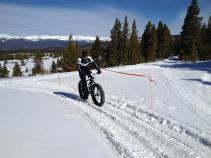
Peak Cycles/ BikeParts.com Teem Rider enjoying a Fat Bike

Peak Cycles/ BikeParts.com Teem Rider enjoying a Fat Bike

Fat biking is abuzz in Colorado! Colorado is already a favorite state for cyclists due to the mountainous terrain, rugged trails, scenic views, and outdoorsy population. But now, Colorado is a hot destination for a new phenomenon in the cycling world: Fat Biking.  

If you’re looking for a fun way to enjoy riding during the colder months or if you are looking to jump start your 2017 training, then consider starting the year off right by racing a fat bike.  Following is the 2017 Fat Bike Race Calendar

January 2017  

February 2017

March 2017

April 2017

Granted, racing implies you actually have a fat bike.  But if you don’t,  you can demo one of our Specialized FatBoys at our store! And if you want even more fat bike ideas, or need for cycling apparelbike parts, and cycling accessories, stop into Peak Cycles Bicycle Shop. We would love to help you! 


5 ways to Celebrate the Year End on Your Bicycle

December 29, 2016
Happy 2017 from BikeParts.com

Happy 2017 from BikeParts.com

What is the best way to say good bye to 2016 and hello to 2017?  On your bike of course!

Cycling is all about fun and what better way to review the year and plan for the year ahead than riding your bike. Following are ideas to help you do just that. 

  • Ride the year in miles.  It may be too late to ride the year 2016 in but you can get a head start of 2017!  Or, go out and ride 16 miles or 20 miles for a year end celebration of 2016. Regardless, this is a great way to get in the last few rides of the year and to engage friends and other cyclist for a spirited group ride. 
  • Ride with your kids or better half.  Celebrate the end of the year with casual fun rides and include those you don’t generally ride with.  Consider inviting your significant other, kids, and neighbors on a cruiser ride.  This is about spending valuable time with loved ones while doing something you really enjoy.  
  • Sign up for adventure.  Maybe 2016 you didn’t stretch yourself enough. Sit down before the year end and make a list of goals for 2017. Consider doing races and rides that you haven’t done before.  They don’t have to be epic – they just have to be meaningful to you. You may want to check out our post, The Year End Review: Not Just for Work But for Your Cycling Program Too, for great goal setting ideas for 2017. 
  • Schedule a New Year breakfast/ lunch/ or beer ride. Be social! Have fun! That’s what celebrating the year end is about!  So why not combine all that fun with riding your bike.  Gather your cycling buddies for a quick breakfast, lunch ride or post-work beer ride.  Chat about bike parts, your favorite cycling gifts, or your big plans for 2017.  
  • Get Your 2017 Bike. Maybe you need to replace bike parts. Or, maybe you need to get a brand new bike for 2017.  The year end is a great time to dial in your needs for a successful 2017 season.  If not now, then when…right?! 

The New Year is all about out with the old and in with the new.  Maybe last year’s cycling resolutions were to get in shape, build fitness, or get stronger on the bike.  This year, branch out! Create new resolutions. But before you do that, celebrate the year past. Reward yourself with a pat on the back for a great season.  At Peak Cycles Bicycle Shop, we’re grateful for 2016 and wishing you a great year ahead that is filled with all the joys, personal rewards, and the grand adventure that cycling brings.  Happy 2017!


Cycling Holiday Gifts in Pictures – You Know You Want ‘Em!

December 22, 2016

The holidays can be just plain hectic, and some gifts may fall through the cracks until the very end.  With Christmas Day just a few days away, we thought we would entice you with some last minute cycling gifts. Purchase some as stocking stuffers or buy bike parts and other goodies as gifts to put under the tree.  You can’t go wrong – unless you just don’t get anything!  

Just a few of the many choices for small items that can be used as stocking stuffers. These small items make great gifts for your cyclist friends or family.

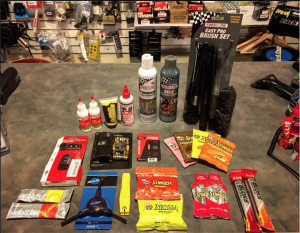
Waffles, lube, tires, and bike parts

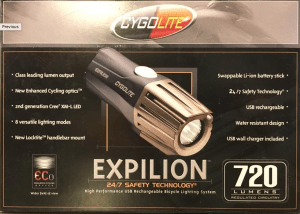
Cygolite Expilion 720 lumen light! USB rechargeable, water resistant, and 8 different light modes. Come get the perfect light for night riding season.

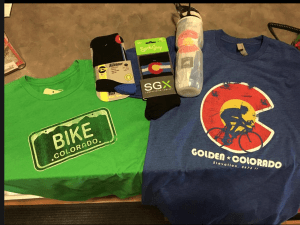
Peak Cycles is your stop for Colorado gear! These make great stocking stuffers or gifts for the holiday season!

A new road bike! A beautiful shot of a custom S-Works Tarmac. 15.4 lbs of pure speed.

A Giant Anthem Advanced SX 27.5.  What’s not to love?  Carbon frame, carbon wheels, SRAM XO 1×11 drivetrain, SRAM Guide RS brakes, a dropper post, and rockshox suspension. Stop in the store for pricing. 

Here at Peak Cycles Bicycle Shop, we feel that the true Christmas spirit of cycling is the love of the bike.  It’s the adventure cycling brings – the challenge of a new ride, the experimentation with new or different bike parts, the joy of connecting with friends in meaningful ways, and the building of camaraderie with teammates.  

These are all the very blessings we wish for you and your family this holiday season.  Merry Christmas from Peak Cycles Bicycle Shop and BikeParts.com!


4 Cycling Experience Gifts Worth Giving  

December 15, 2016
Demo a Fat Bike at BikeParts.com

Demo a Fat Bike at BikeParts.com

Many holiday shoppers are looking to gift a different type of gift this year.  Moving from purchasing products to gifting experiences.  But what does that mean for the shopper who’s favorite cyclist has everything?  it means, instead of purchasing more cycling apparel and cycling accessories, purchase gifts that offer an experience.  When you think about it, bike riding is a joyous adventure in and of itself. Following are our favorite cycling experiential gifts worth giving.  

Gift a Bike fit.  Does your cyclist complain of hands falling asleep while riding? Or shoulder or neck pain after a long ride? A bike fit isn’t just for professional riders – they are for anyone who rides whether they are a beginner or advanced rider. A bike fit helps ensure riding comfort but it also impacts technique which is crucial to preventing overuse injuries and how an athlete rides. Consider the gift of giving your favorite cyclist a bike fit for Christmas. This will aid your cyclist in pain free and enjoyable riding all year long.  The bonus on this is that , not only can we help them with the fit, but we carry all the bike parts required to get the bike in the very best setup for their riding needs.  Give us a call (303) 216-1616 or stop by the shop in Golden to schedule your bike fit.

Demo a fat bike!  That’s right! Fat bikes are all the rage – they thrive in snow, sand, desert, bogs and mud as well as riding what is considered normal mountain biking.  In fact, fat bikes are the fastest growing segment in the bike industry.  Book a fat bike demo for your favorite cyclist that will up the giggle factor to their normal winter riding program.  Who can’t smile while riding a fat bike?

Power Up! Is your cyclist a data junkie?  Then, this is the ideal gift for your favorite cyclist!  The main idea behind using cycling training tools is to dial in training to optimize performance as it relates to specific goals and objectives. Our post, The Best Training Aids to Launch into Spring Cycling, dives into the benefits of training with power. As for which power meter to purchase, consider our most popular one, Stages Power Meters, beginning at $1000. Stages Power meter is the lightest, smallest, most technologically advanced unit available today.  Another option is the Pioneer Power Meter offered at $2000 and is a bit more sophisticated.  A third option is a company that’s been around for a while now – PowerTap Power Meter.  Using power data elevates the cycling experience offering new challenges unavailable without one.

Relax and Recover.  Many cyclist push themselves relentlessly without a break or even listening to their bodies until their bodies are injured.  Gift an experience of relaxation.  Consider a gift certificate for a message or a yoga class.  Another option is the ongoing gift of recovery using compression. Medical compression stockings have been used to treat poor blood flow for many years.  Recently, the technology has been made available to cyclist of all levels.  While the many claim it is difficult to prove that an immediate performance gain from wearing compression garments, many do claim that it lowers perceived muscle soreness the day after a big day on the bike and they can reduce the swelling of legs after prolonged sitting.

Finally, if all else fails, gift your cyclist with bike parts! Experimenting with new cycling accessories and parts has a way of increasing the enjoyment felt when riding a bike. So, indulge this holiday season and give a gift that keeps on giving! 


Stocking Stuffer Ideas That Also Keep Your Favorite Cyclist Safe  

December 8, 2016
Stocking Stuffers at BikeParts.com

Stocking Stuffers at BikeParts.com

Most of us want to give holiday gifts that have value. Not just cute little trinkets but items that really make a difference.  

Unfortunately, oftentimes holiday stocking stuffers fall into the camp of cute but not really useful.  But, at Peak Cycles Bicycle Shop, we’ve compiled a list of inexpensive bike parts to make your stocking stuffers useful, as well as, coveted gifts.  

Consider this – have you ever thought that what a cyclist keeps in their back pocket of their jersey or their saddle bag as a necessary item of safety?  Cyclist riding road bikes and mountain bikes often find themselves in isolated locations.  With that being said, it’s important to be as self reliant as possible.  Our list of stocking stuffers will bring a grin to their face and also keep them safe! 

  • Tubes: This is one gift you absolutely positively will get used. Make sure you get the right size of tube. If you aren’t sure, stop in the Peaks Cycling Store and ask one of our friendly staff to help you. Or, visit us online at bikeparts.com  
  • Bottles: Every cyclist has a ton of bottles, but that’s not the same as having good bottles. Buy a good bottle and stuff it with other goodies.
  • Warmers: We’re talking about head warmers, ear warmers, arm warmers, leg warmers, and shoe covers – all the necessities to keep your favorite cyclist warm and comfortable out on those chilly winter rides.  They nice thing about these is that they fit nicely in a holiday stocking in as much as they do a cycling jersey!
  • Nutrition: Think energy bars, gels, and chews.  Instead of chocolate, fill the stocking (or water bottle) with nutrition, bars, gels, and drinks that your cyclist can use on the bike.
  • Lube: Every cyclist goes through it and we’ve got tons of it.
  • Bicycle tools: These are much needed for on the fly bike repairs and maintenance.  Key items to include are a patch kit, tire levers, pump, and a multi tool.

Spend your holiday money wisely! Invest in bike parts and cycling accessories that delights your favorite cyclist and also keeps them safe and sound.  Doing this pretty much guarantees that you’ll make Santa’s nice list for next year! 


3 Cycling Strategies to Manage Stress During the Holidays 

December 1, 2016

Happy Holidays from BikeParts.comWhile the holiday season brings times of joy and celebration, it is often tainted with juggling holiday parties, kids events, family gatherings, and travel.  While all fun activities, they can contribute to a stressful experience.  As athletes, we all know that there is only an infinite amount of stress the body can handle.  Holiday stresses of staying up too late, eating tempting treats, and overall training fatigue can create a loss of training motivation or just plain not riding.  Not fun, given exercise can aid in reducing stress.  So, what is the balance during the holidays to reduce stress, maintain fitness, and still hit all the holiday parties and complete those endless shopping lists? 

Manage Expectations!  Are your expectations for the holidays realistic? Asking yourself this question is the first step to managing holiday stress. Make a list of what you expect from yourself and your family during the holidays. Hidden within these expectations you might find your potential holiday stressors — the things specific to you that can cause stress.  Once identified, you can then write down what changes you can make to prevent or defuse stress. At Peak Cycles Bicycle Shop in Golden, Colorado, we get a lot of input from our customers as to common holiday stressors.  Here’s what we’ve got to say to beat the stress and still maintain your fitness.

Stress #1 – Weight gain.  Obviously, increased caloric intake combined with less exercise is going to add a little weight.  A little gain in the off season isn’t so bad; however, you don’t want  a little weight gain to grow into a lot.  So, focus on eating well. The holidays offer irresistible food temptations adding extra pounds to our waste lines and robbing us of precious energy.  Instead of reaching for the holiday goodies, opt for nutritious snacks. Eating poorly during the holidays can affect mood and motivation towards training.  Focus on good nutrition and choose your bike nutrition when you need it most- on the bike.  Being mindful of your food choices can positively affect your energy levels and help maintain your ability to ride and perform better.  It will help you feel better about yourself too! 

Stress #2 – Too Many Things to Do.  The holidays can make anyone feel scattered and worn out.  Yet, the flurry of holiday activities makes time precious.  Take the time you need to prioritize your ride schedule.  You may not have time for a lengthy ride, so make the most of the time you do have. Employ the strategy of focus and control. Increase your focus on what you can control.  Let go of things beyond your control.  Think about it and write it down. What can you control? Set priorities and let go of impossible goals.  Regarding your cycling training, you can certainly focus the intensity, duration, and consistencies of your workouts.  Using a heart rate monitor or power meter can help. You can also control the elements surrounding your training, as in, your bike parts, bike functioning, and being well prepared nutritionally to get the best out of your workouts.

Stress #3 – Guilt.  Yep, there it is.  As a cyclist, you want to ride. You know you should ride. And yet, you don’t. And, you beat yourself up for not riding.  We’ve all been there.  The strategy for dealing with guilt is just to accept it and move on.  Give yourself a break mentally and physically knowing the holiday season doesn’t last forever.  If you just can’t find the time or motivation to ride during the holiday season, at least feed your velo passion with pictures of new road bikes , new mountain bikes, and cool bike parts.  This will feed your spirit and breathe life into next year’s bike season.  In fact, the post, Missing training – Adjusting the plan, reminds us, “ It’s easy to beat yourself up over missed training, but if you have been steady with training, give yourself a break. Gaining fitness doesn’t happen in one or two days and losing fitness doesn’t happen in one or two days. It takes months of steady training to gain good fitness. A few days missed or logging a fewer less hours than planned for a week is a small blip on the radar.”

While the holiday season can be stressful, it doesn’t have to be.  It’s all in your approach. Try your best to make good food choices, exercise, and relax to restore energy.  Balance is key and you’re in control  Happy Holidays!