October 23, 2014
While the cross country mountain bike and road bike race seasons may be winding down, the cyclocross race season is heating up. And, it’s not just heating up in Colorado but across the nation.
According to USA Cycling, cyclocross is the fastest growing field in cycling. Why? For starters, it’s fast, frantic, spectator friendly and plain good fun.
Cyclo-cross – or cross, cyclo-x and CX – is a sport that takes modified road bikes off road in races that typically last for 60 minutes and includes obstacles where you need to dismount and run with the bike over your shoulder. While that may not sound fun to some cyclists, contrary to popular belief, cyclocross racing is actually a ton of fun. It’s also technically challenging and physically demanding. The effort and skill required to compete elevates your overall racing fitness and leads to great improvement when the spring races roll around.
At Peak Cycles Bicycle Shop, we find many are cyclocross curious; whereas others, are full in to the sport. Whether you are a newbie or a veteran, cyclocross has something to offer everybody. Here’s a good place to get started.
News and Calendar of races
– 2014-15 Colorado Cyclocross Race Calendar and Professional CX Calendar
– USA Cycling Pro Cyclo-cross Calendar
– Cyclocross News and Race updates
CycloCross 101: Q&A
– How do I learn more about cyclocross? Cyclocross 101
– An Introduction to Cyclocross + 3 Workouts
Learn Basic Cyclocross Skills
– Overcoming obstacles on a cyclocross course
– Cyclocross Training: Mastering the Fundamental Dismount/Remount
Cyclocross Training
– Workouts and Drills to Prepare Yourself for the Cyclocross Season
– How to Plan Your Cyclocross Training Week
Best bike parts for cyclocross
– Cyclocross Bicycle Parts and Cross Bike Components
– What tire tread is best for cyclocross?
Cowbells and Heckling Etiquette
– Cowbell etiquette – How to Play the Cowbell – entertaining video
– An Op-Ed on Heckling in Cyclocross by Daniel Curtin
The bottom line – join some cross races. Keep in mind that you can ride them mainly for fun and general fitness. You don’t have to take it too seriously. And even riding mainly for fun, cross will help you a lot. It improves bike handling and power and builds your cardiovascular system. You’ll be amazed how great you feel and how much more confidence you have on your bike when the race season arrives.
 1 Comment |
  Peak Cycles Bicycle Shop | Tagged: 2014-15 Colorado Cyclocross Race Calendar and Professional CX Calendar, Basic Cyclocross Skills, cowbell, CycloCross 101: Q&A, Cyclocross Bicycle Parts and Cross Bike Components, Cyclocross Season, heckling, USA Cycling Pro Cyclo-cross Calendar |
  Permalink
 Posted by staffwriter8
October 16, 2014
Using technology in your training benefits you in many ways: you can learn faster; get visibility to your training program and progress; quantify your work; and learn from your success. What are some common and not so common ways to use technology to optimize sports performance?
Heart rate Training – Heart rate training has been viewed in many ways over the years, from very precise to not so precise. Now, a growing number of coaches and exercise physiologists support the use of heart rates as an important part of biological feedback, as heart rates are a direct reflection of what is happening internally. The post, The Variables and Trends of Heart Rate Training, walks you through the steps of learning your “threshold” heart rate range, setting up heart rate training zones, and identifying the daily variables that affect heart rate. A heart rate monitor can be a great bio feedback tool and also help you to monitor your fitness, prevent overtraining, and take your performance to the next level.
Apps – Over the past year connected fitness devices — activity trackers and sensor-laden wearables — have consistently made headlines. There are countless devices that connect back to companion smartphone apps and online dashboards enabling visibility, analysis, and planning for better training and performance. To get an idea of what is available, check out two of our favorite posts including Apple’s picks for top 42 iPhone fitness apps and Top 5 Apps for Cyclists for Off-Season Fitness Gains.
Bike Fit – Leg strength, endurance, and fitness are at the heart of cycling speed, but without a proper bike fit, you are sabotaging your training efforts. In a sport based on such a highly repetitive action, like pedaling, the first line of defense against injury is a proper bike fit. A bike fit doesn’t simply consist of setting saddle height and bar reach. In today’s market, bike brands are designing some top-end rides for us to enjoy, but with these bikes come different geometries. As such, it’s critical to dial in the fit and confirm you have the right bike parts for your optimal performance.
Compression – Medical compression stockings have been used to treat poor blood flow for many years. Recently, the technology has been made available to cyclist of all levels. While the many claim it is difficult to prove that an immediate performance gain from wearing compression garments, many do claim that it lowers perceived muscle soreness the day after a big day on the bike and they can reduce the swelling of legs after prolonged sitting.
There are countless more ways technology can aid in cycling training ranging from power training, cycling software, DVD’s, CompuTrainers, to nutrition and other bio feedback tools. The main goal of them all is to assist you in dialing in your training to optimize your performance as it relates to your goals and objectives. Need help figuring out which one is best for you? Visit us at Peak Cycles Bicycle Shop in Golden, Colorado or ask us on Twitter.
3 Comments | Peak Cycles Bicycle Shop | Tagged: bike fit, compression garments, heart rate monitor, iPhone fitness apps, off season training, power training, technology in cycling training | Permalink
Posted by staffwriter8
October 9, 2014
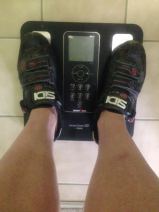 As the cycling season draws to an end, many cyclist find themselves at their goal weight or race weight. It feels great, doesn’t it?
There’s ease in choosing the right foods, maintaining portion sizes, and eating a few treats here and there doesn’t seem like a big deal. Yet, for many, the transition to the Fall and Winter season means exercise volume decreases not only in sport but in life as well. There are fewer long rides, no lawns to mow and less walking about outside.
Combined with that, daylight hours decrease and it gets colder which leaves most of us less motivated and reaching for more processed, lower nutrient foods, eating bigger portion sizes; and as a result, we gain wait. Ugh! The dreaded Winter weight gain! It warrants the question, Do Weather Changes Warrant Nutrition Changes? Do hormones play a role? Experts say that cold weather increases the appetite for foods that warm the body quickly, like sugars and carbohydrates. Cold salads are less appealing. Creamy clam chowder and buttered cornbread is a much more pleasing choice when it’s chilly out.
But managing your weight in the off season isn’t a lost cause! The post, 10 Ways to Manage Offseason Weight Control, offers suggestions to keep the pounds off. Suggestions include easy options, as in, writing your food down in a food journal; consider the timing of your meals and intake; and limiting calories on easier exercise days. As we’ve written previously, there are apps for cyclist to manage off-season gains. Which ones are our favorites? The Lose it app. Lose It! allows users get a customized weight loss plan and then use the app to track food, measure activity levels, and connect with peers for group support to reach their goals. The bonus is that it can sync up with most of the popular fitness tracking devices and wireless scales on the market. It also has a large food database for easy reference. Best part – it’s free!
And Winter riding can be equally as fun as Summer riding given you have the right cycling apparel, you know how to dress for winter riding, and you have the right bike parts in your winter toolkit. And while the trails may be covered in snow and the roads less scenic than the Summertime, have no fear of the trainer. Don’t be a hater! There are means to overcoming trainer woes to keep activity up.
Just as much as the Spring cycling season inspires us to get in shape, tackle new challenges, and reach new cycling heights, the Fall season can inspire us too. Discovering new ways to nurture our bodies, maintain the gains we’ve made during the season, and re-energize for the season ahead. With a little mindfulness, battling the Winter bulge doesn’t have to be such an effort.
1 Comment | Peak Cycles Bicycle Shop | Tagged: Apps for Cyclists for Off-Season Fitness Gains, cycling apparel, How to Dress for Winter Cycling, Lose It, off season training, weight control | Permalink
Posted by staffwriter8
October 2, 2014
 Are you overtraining? Is there a way to tell when you are over-reaching versus over training?
Actually, there is! There are three stages of overtraining and each stage is defined by certain levels of fatigue and recovery time. But in a nutshell, there are symptoms cyclists can experience when they over-train.
– get a washed-out feeling
– feel tired
– get grumpy and experience sudden mood swings
– become irrational
– feel a lack of energy for other activities
– suffer from depression
– have a decreased appetite
– get headaches
– get an increased incidence of injuries
– have trouble sleeping
– feel a loss of enthusiasm for the sport
– experience a sudden drop in performance
What can you do about it? First, there is the recognition that training for cycling events takes some serious dedication. As a result, some cyclists are often tempted to exercise longer and harder so they can improve rapidly. They are motivated to get faster and stronger but without adequate rest and recovery. Compounding this, most of us are juggling family commitments, a job, and trying to fit in some social activities. It just isn’t possible to keep balancing all these things.
Begin by asking yourself, Do You Know the Right Way to Train? Having a strategic approach and structured training means every workout has a purpose. Every step, pedal and stroke is being performed with the confidence it’s the right thing to do and performed the right way. The post, The Right Way to Train, shares four essential components of deliberate practice. Having a plan puts parameters on training so that you actually recover and avoid over training in the first place. A component of having a plan is having the right bike parts, cycling accessories, and nutritional components in place to support your efforts. All of these are functional structures that support the full training cycle.
You may also consider slowing down. As the season changes, there are ways to make the most of Fall season training. As the post, Smart Ways to Stop Sabotaging Your Late Season Training suggests, switch gears and include strength training and yoga. Or, better yet, since daylight is short, opt for night rides which add a fresh approach to riding while also reducing intensity.
Ultimately, the best way to identify if you are over training is by listening to your body. Remember, cycling and training is supposed to be fun! Enjoyable and refreshing! Use the changes of the season to renew your body and spirit.
1 Comment | Peak Cycles Bicycle Shop | Tagged: bike parts, fall training, night rides, over reaching, overtraining, symptoms of overtraining | Permalink
Posted by staffwriter8
September 25, 2014
 There’s a saying in the cycling world, “the off season is where you can make the greatest gains” and at Peak Cycles Bicycle Shop, we couldn’t agree more. The off season is a time when cyclist can work on weaknesses without having to worry about performance in upcoming group rides and races. However, there are ways to sabotage the gains.
According to the post, 10 Things Endurance Athletes Need to Stop Doing, cyclist should stop ignoring recovery, stop doing other athlete’s workouts, stop ignoring your diet and your weight and stop ignoring technology in your workouts. Another saboteur are headphones. The post, Seven Reasons to Take Off Your Headphones, questions if listening to music while training actually helps or hinders results. Unfortunately, knowing what not to do is only half the battle. The other half is knowing what to do.
Making the most of fall season training is about keeping it fresh, trying something new, and also, targeting some fitness goals. You can start to make gains by focusing on recovery after your workouts. When you think about it, training is all about stressing your body with hard workouts, and then letting your body adapt to that load. If you do not allow your body to recover and adapt to the training load you’ve imposed on it, you simply will not be able to train and stress your body as hard the next workout. While many riders understand that recovery between workouts is key to building fitness, recovery is also a commonly overlooked injury prevention tool. Recovery, defined as stretching, hydrating, and resting, are traditional tools used by athletes. Some opt for compression gear, as in socks or tights, which are designed to improve recovery and aid in overall sports performance. Late season is a great time to test out new products and evaluate how your body responds.
Building on that – don’t let the hard work you’ve gained this year fall by the wayside! As your training volume and intensity declines, it’s a good idea to begin paying attention to your nutrition and weight. As noted in our post, Top 5 Apps for Cyclists for Off-Season Fitness Gains, managing your training and nutrition in the off-season can be manageable and can mean the difference between winning and losing during the 2015 cycling season.
Other suggestions for late season gains include strength training and yoga. Year-Round Strength Training for Cyclists Matters. Since you are only as strong as your weakest link, the stronger system you build as a whole, the more potential you have for cycling specific gains. And there’s a lot to be said for yoga. Cyclists need to focus on leg strength, which many poses in yoga target, but they also need to focus on flexibility and lower back strength. All key elements in extending the fitness gains you’ve made through the current year.
Finally, keep it fresh and fun. The Fall season can be a great opportunity to get new bike parts. During the season, the focus is on riding; whereas during the Fall, there’s more time for mental wanderings and fun! Check out our daily closeouts and overstock items to spark renewed interest in your cycling program.
2 Comments | Peak Cycles Bicycle Shop | Tagged: bike parts, fall season training, late season training for cyclist, Peak Cycles Bicycle Shop, Year-Round Strength Training for Cyclists, yoga for cyclist | Permalink
Posted by staffwriter8
September 18, 2014
 Motivation is the foundation all athletic effort and accomplishment. Without your desire and determination to improve your sports performance, all of the other mental factors, confidence, intensity, focus, and emotions, are meaningless.
To become the best athlete you can be, you must be motivated to do what it takes to maximize your ability and achieve your goals. The key question here is what keeps you motivated month after month? Through each season? And, year after year?
The post, Motivation – Using the left or right brain, offers some insights as to how brain function plays a critical role in cycling motivation. As a brief reminder, most people have tendencies which lean toward exhibiting more “left brain” or “right brain” characteristics. You’ve undoubtedly heard of the differences between the two.
Left brain characteristics:
– linear
– logical
– analytical
– serious
– organized
Right brain characteristics:
– holistic
– intuitive
– creative
– fun-loving
– socially adept
One isn’t necessarily better or worse than the other; they both have their functions. But, as this relates to cycling, training, and fitness, it plays a different role. So if you think you are left brained, what are ways to motivate yourself for riding? If data and analytical conversations get you excited , then you need to motivate yourself by the potential numbers to be worked and gained within a workout. This also means to focus on potential elevation gain, distance to be covered, or how many complete intervals you think you can achieve. Focusing on analytical data as in, learning the right way to train or making proper goal setting a priority can help dial in motivation. Another way to use your logical mind for motivation is to research bike parts, bike geometry and test ride cycling accessories to see how it impacts your ride.
On the flip side, if you are a right brained cyclist, consider a holistic approach to your experience. As in, focus on the journey and what you may experience on each ride. Consider multiple options for routes that will allow you to experience the views of the season, then which route best suits the workout. On any day, think about what the feel of the workout will bring, with breathing, the rhythms, and how enjoyable that is. Grasp this and use it to your advantage, because visualization and feel is your main motivation. Visualization can take place off the bike too. Yoga for cyclist and year round strength training and visualizations of a stronger and fitter body can aid in the motivation experience.
Ultimately, what it boils down to is that whether you approach your motivation for cycling from a left or right brained perspective, what matters is that you are having fun and engaged. Motivation is easy to maintain when you are experiencing the rewards of your cycling and training experiences.
1 Comment | Peak Cycles Bicycle Shop | Tagged: bike parts for motivation, cycling accessories, cycling motivation, proper goal setting, right way to train, training motivation, Using the left or right brain | Permalink
Posted by staffwriter8
September 11, 2014
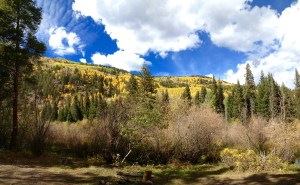 At the beginning of the race season, enthusiasm and energy is high! About the mid-season point, accumulated season fatigue catches up with most racers. Recovery rate from workouts and from races slows down and finally, by the end of the season, some find their motivation waning. Oftentimes, throughout the season, cyclist find themselves over reaching and over training in their training. What is the difference between the two and how can the Fall season help?
The term over-reaching was adopted by exercise scientists to describe the short-term overload that can be managed within a few days. However, over-reaching can develop into over-training (from which it can be more difficult to recover) if the athlete does not mitigate the factors that caused the over-reaching or fails to allocate proper recovery time. The symptoms of the overtraining syndrome are difficult to define since there can be many and they are seldom exactly the same in any two overtrained athletes. According to Joe Friel, physiologically, the only ones that are common are poor performance and fatigue. However, there are a few other indicators. The symptoms of overtraining are many and include the lack of motivation to race and train, inability to complete most workouts due to fatigue, loss in power, and general overall irritability.
So, How Long Does it Take to Recover From Overtraining? “Most athletes will recover from overtraining syndrome within 4-6 weeks up to 2-3 months. This will all depend on a few factors such as how overtrained you really are, genetics, and age. Determining how overtrained you are can only be answered by the amount of time it takes you to recover.”
The Fall season can be an opportunity to rest and recharge while still maintaining fitness on the bike. The post, How Cyclists Can Manage the Fall Season, shares that this time of year can be very beneficial in letting you recharge the batteries and gain some mental freshness. Right now you’re setting the stage for your mental acuity going into next season. Ignoring mental fatigue right now can actually end up being detrimental to your coming season.
Also, as mentioned in our previous post, The 10 Essentials of Fall Cycling, having access to resources, tips, and a supportive environment makes it easier to enjoy all the benefits cycling has to offer. Knowing where your body is as it relates to your training cycle, motivation, and energy levels can make a difference. The Fall season can be a great opportunity to get new bike parts. During the season, the focus is on riding; whereas during the Fall, there’s more time for mental wanderings and fun! Check out our daily closeouts and overstock items to spark renewed interest in your cycling program.
All and all, whether you have pushed your limits to the max or not, rest and a reduction in training volume is the only cure to getting back into the groove when it domes to motivation and excitement for training. Use the Fall season to transition into a better 2015 cycling season.
1 Comment | Peak Cycles Bicycle Shop | Tagged: bike parts, cycling closeouts, cycling overstock items, cycling training, Fall season cycling, over reaching, over training | Permalink
Posted by staffwriter8
September 4, 2014
 As we transition from Summer to Fall, the Colorado mountain colors explode into a vibrant mix of autumn hues. What better way to enjoy the brisk temperatures and vibrant colors of the leaves turning than from the view of mountain bike or road bike? The added bonus is maintaining fitness through the fall and even building it well into the winter months. Yet to make the transition from Summer to Fall to Winter riding safely, it’s wise to make sure that your bike is working and that you have the proper cycling apparel to keep you warm and also motivated to ride in the cooler temps.
At Peak Cycles Bicycle shop, we recommend getting a tune-up, having a set of reliable lights and wearing the right bike clothing. Frequently we’re asked what are the essential cycling apparel to have on hand. Here’s our list:
1. Wind Vest – The wind vest is one of the most used pieces of cool weather gear. It keeps your core body protected from frontal winds, but vents in the rear to keep you from overheating. The wind vest is also very versatile and can be added to different clothing combinations, using it with regular jerseys, winter jerseys, and arm warmers. It’s also easily stowed in a pack or shirt pocket.
2. Wind / Rain Jacket – It’s always a good idea to keep a water resistant jacket handy when rain is in the forecast.
3. Arm Warmers – Arm warmers are a must during the Fall season. While they don’t take up much room, they are great for temperature control.
4. Full Finger / Windproof Gloves – When riding in cooler temps, one of the first things to freeze is the fingers. Protect your hands with full fingerers and / or windproof gloves.
5. Knickers, Knee Warmers, and Pants – As the temperatures drop, it’s a good idea to cover your knees. Many cyclist prefer tights whereas others prefer leg warmers. There are also knickers which allow more airflow over the legs, and they are good for those in-between days. Consider trying out each option and experiment to dial in your preference.
6. Head Band or Skull Cap – The vents in your helmet that are such an asset during the summer months become a major liability when the temperatures begin to drop. To prevent from losing heat from your scalp, be sure to wear a thin skullcap or headband under the helmet
7. Wool Socks – Keeping your feet dry and warm can be a challenge in the cold weather, but nice wool socks are your best bet.
8. Shoe Covers – Shoe covers, also known as booties, cover the exterior of your shoes and protect from cold and wind. There are several options: some that cover just the toes and others that encompass the entire foot. Toe covers are great for Fall but as you transition to Winter riding, you may wish for a pair that covers your entire foot.
9. Lights – Within a month, the days will be much shorter! Plan ahead and get your lights ready. Get a red blinker for the rear that mounts to the bike or your pack, and a decent headlight for the front.
10. Tool kit – The bicycle tools needed to have on hand in inclement weather matter. Discover what the best bike parts for fall commuting and build a tool kit that meets your needs.
Why is all this important? Because having access to resources, tips, and a supportive environment makes it easier to enjoy all the benefits cycling has to offer. It gets you outside – on the bike and riding! Whether you are enjoying the vibrant mix of autumn hues from a scenic country road, a bike path, or a cyclocross race course, fall bike rides in Colorado are the best way to get up close and personal with the season’s colors while filling up their lungs with crisp Colorado air.
4 Comments | Peak Cycles Bicycle Shop | Tagged: and arm warmers, and Pants, bicycle tools, fall cycling, Full Finger / Windproof Gloves, Head Band or Skull Cap, jerseys, knee warmers, Knickers, lights, shoe covers, winter jerseys, Wool Socks | Permalink
Posted by staffwriter8
August 28, 2014
Sarah Shull racing in the 2013 Winter Park Gravity Series. Trail: Cruel and Unusual.
At the beginning of the race season, enthusiasm and energy is high! About the mid-season point, accumulated season fatigue catches up with most racers. Recovery rate from workouts and from races slows down and finally, by the end of the season, some find their motivation waning. As the racing season seems to be getting longer and longer, what are the ways to maintain motivation and also – capture added gains towards next year’s goals?
Fortunately, there a variety of options at your disposal! The post, How to Use a Late Season Race for Motivation, suggest selecting late season races that are fun and also promote fitness. By keeping it fresh, trying something new, and also, targeting some fitness goals, it can inspire you to lay down some of your best training in your season.
What about adding some skill training? During peak training periods, bike skills and technique is often overlooked. Why not consider improving your skills? The video: Five key skills to improve your bike handling offers great visuals and the post, Body Position on the MTB, dials in where you need to be on the bike to ride your best. Experimenting late season avoids the risk of injury during peak races but also can offer a new challenge – like learning how to do a track stand.
Finally, show some bike love! That’s right! Your bike has been training and racing with you all season long! Give your bike a break – replace worn out bike parts. Maybe even experiment with different or new cycling accessories. Try out a new wheelset or reward yourself with new bike parts and components. After all, your bike has helped you reach your goals all season long.
Ultimately, late season races should be fun. If you love what you are doing and are having fun with it, then you are setting yourself up for more good stuff to come in the following season!
1 Comment | Peak Cycles Bicycle Shop | Tagged: bike parts, bike parts and components, bike skills, body position on the MTB, cycling accessories, late season racing, motivation, wheelset | Permalink
Posted by staffwriter8
August 21, 2014
It’s nearly that time of year again – cyclocross season! Cyclocross is a wonderful way for road cyclists and mountain bikers to extend their competitive seasons and get a head-start on training for next season. The intensity of cyclocross racing provides a training stimulus that’s very difficult to replicate with standard interval training during the fall and winter, especially as the temperatures fall and athletes turn primarily to indoor cycling.
As the season approaches, what do you need to know? The best approach is a comprehensive one. Meaning, now is the time to begin planning your season using goals, monthly progressions, and setting a weekly schedule. For those athletes who want to focus their efforts and manage their time, a good plan is to structure your cyclocross training week.
But what does that look like? While training time, heart rate and power zones vary, a typical training week usually includes a variety of focused activity. As an example, the post, Preparing for Cyclocross Season, shares more on what you need to include in your training plan.
– Transitioning – this generally takes 4 – 6 weeks so you’ll want to account for that.
– Running – running can be an important part of the race. Incorporating running into your training activity is essential, especially if you aren’t comfortable with it.
– Race Specificity – focus on race intensity and include workouts and drills to prepare yourself for the cyclocross season.
– Bike Handling/Cornering – consider practicing starts, dismounts, remounts, shouldering, cornering, and riding through different conditions, as in, mud and sand. All play an important factor is racing efficiently.
– Equipment choices matter – dial in the best bike parts and and tire choice. While bike setup and having the right cyclocross bicycle parts is important, one of the most important parts of all is tire selection and their pressure.
With a little pre-planning, your 2014 cyclocross season can be very rewarding. Sure, cyclocross races are very high intensity and extremely demanding; yet, cyclocross as a sport is meant to be fun, otherwise, there wouldn’t be beer handoffs, money pits, crowds heckling the pros, or pros heckling the crowd! At Peak Cycles Bicycle Shop, we’re gearing up for some cowbell cheer!
4 Comments | Peak Cycles Bicycle Shop | Tagged: bike parts, Cyclocross Bike Parts, Cyclocross Season, Cyclocross Training Week, Peak Cycles Bicycle Shop, Workouts and Drills | Permalink
Posted by staffwriter8
August 14, 2014
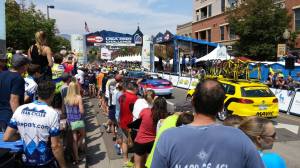 Just days away from the start of the 2014 USA Pro Challenge, Colorado sports enthusiasts and cycling fans around the world wait with anticipation of yet another phenomenal pro race. With stunning Colorado backdrops, high adrenaline , high altitude thrills of pro cycling, what’s more to like? Anticipation. Watching the race unfold as leaders compete for different classification wins is thrilling. Yet, here in Golden, Colorado, we anticipate our very own Lookout Mountain may be the deciding factor in the KOM race.
The 2014 USA Pro Challenge takes place August 18-24 and will test riders’ strength and endurance over a 550-mile course. The final stage, Stage 7, while titled Boulder – Denver, Golden is where the real racing will happen. A a breakaway will stick or be caught by the time the riders complete what locals call the Lariat Loop. The climb up Lookout mountain is short and steep and possibly the decider in the KOM race. The post, On the path of the 2014 USA Pro Challenge – Golden, shares details on what you need to know about the stage and Lookout Mountain.
STAGE 7 : 78 miles Stage Map PDF Stage Profile PDF
Boulder – Golden – Lookout Mountain – circuits in Denver
Race Begins: Approximately 12:30 p.m.
Race Ends: Approximately 3:50 p.m.
State Highways Impacted: SH 93, US 40, SH 391 (Kipling Street), SH 121 (Wadsworth), SH 95 (Sheridan), I-25. (Route and Street Closure information)
Lookout Mountain Closure Friday – Sunday
Lookout Mountain will be closed to all vehicle traffic between white pillars and Buffalo Bill’s entrance. 3:00pm Friday 8/22/14 through 2:00pm Sunday 8/24/14.
About the climb of Lookout Mountain
Length: 5.1 miles
Total elevation: 1,438 ft
Average Grade: 5.3% (7%) (steeper in the corners)
Lookout Mountain climb is called Pillar to Post for the landmarks at the start and finish.
This final stage can be a make it or break it for the KOM race. The climb up and the descent down the treacherous Lookout Mountain provides an intense challenge on the tour’s final day. Where’s the best place to watch the pro cyclist on Lookout Mountain? Stop by the Peak Cycles Bicycle Shop for details on what to do near Golden and the best local places to ride in Golden. Need help before the race? Visit us at BikeParts.com
Leave a Comment » | Peak Cycles Bicycle Shop | Tagged: 2014 USA Pro Challenge, BikeParts.com, Colorado, Golden, KOM, Lookout Mountain, Peak Cycles Bicycle Shop, Stage 7 | Permalink
Posted by staffwriter8
August 7, 2014
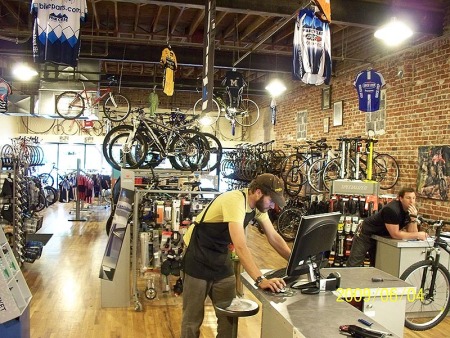
 When most walk into our Peak Cycles Bicycle Shop in Golden, Colorado, they are confronted by a dazzling display of road bikes, mountain bikes, cycling accessories, and cycling apparel. It’s enough to make your head spin!
On the flip side, it’s the many questions that are asked of our staff and mechanic’s that make our heads spin! And, we’re happy about that! Obviously, we love answering questions and talking about the latest and greatest. But, general questions usually center around road bike or mountain bike? Tubeless or not? Full suspension or hard tail? 26”, 27 1/2” or 29” wheel? You get the picture. Those are great shop questions that we help answer for our customers.
Yet, there are more sophisticated questions asked. Ones that take a little more time to explain. Answering those questions, we find the following posts to help explain in further detail.
1. Technical FAQ: Tire widths, pressures, and more
2. What Happens When the Six Million Dollar Man (bike) Crashes?
3. Bike Inspections: A Guide for Injury Free, Enjoyable Spring Cycling
4. GoingTubeless? How to use Stans NoTubes
5. Bike weight and the myth of ‘fast’ bikes
6. Ask a Mechanic: Which spare parts should I have on hand?
7. The Quickest Way To Get Faster? Get a Bike Fit!
8; Wheelset Buyer Guide: What You Need to Know
Asking good questions about your bike and bike parts leads to having the right bike and gear that not only gets you on the bike, but keeps you riding. Ride on!
Leave a Comment » | Peak Cycles Bicycle Shop | Tagged: and Bike Components, Ask a mechanic, Bicycles, bike inspections, bike parts, FAQ, How to, Peak Cycles Bicycle Shop, technical FAQ, tubeless | Permalink
Posted by staffwriter8
July 31, 2014
The legendary Leadville 100 mountain bike race starts and finishes in the heart of Leadville at 10,200’. With more than 90 percent dirt or double track dirt roads, steep climbs, serious descents and a seven-mile climb to the 50-mile turnaround at 12,600’, there is approximately 14,000’ elevation gain. That makes for a long and grueling day on the bike! Yet, there are tricks and strategies to make the Leadville 100 one of your best 100 mile mountain bike races.
The post, Top 10 Tips For Your Best 100 Mile Mountain Bike Race, suggest one very important strategy. That is, do your homework. By this, we mean, read the entire race website to learn the logistics. Get the start location, day and time right. Learn the course profile. You may consider taping key mile targets or heart rate goals to your top tube to keep your mind focused as the miles go by. Also, determine how many aid stations and what services such as drop bags are at your disposal. Line up the details of where and when you will leave your drop bag and be reunited with it. Basically, the support your provide for yourself in advance of the race by doing your homework enables you during the race to have your focus 100% in the game and not distracted with worrying about other elements.
Fuel right. By fueling right, we mean, balance your nutritional needs leading up to the race as well as the day of the race. But bike nutrition requires focused effort. Guidelines for fueling a 100 mile mountain bike race are: every hour take in 60-90 grams carbohydrates, 18-24 oz. fluid, 400-700 mg sodium and 100-300 mg potassium. Frequently consume, in small amounts, any combination of water, sports drinks, gels, fruit, energy bars and electrolyte capsules to achieve these targets. If you don’t think you can stay on track with your program, consider setting an audible alarm on your watch for nutrition and drinking reminders.
Game On! Leading up to and during your race, it’s critical to maintain a positive and upbeat mindset that is in alignment with your goals. Your thoughts, emotions, and race behaviors are components of your mental state, so take inventory of your mental state and align them with your goals. If you find yourself slipping into the pain cave with negative self talk, have a mantra ready to repeat and get yourself back in the game. In times of suffering, it’s easy to compare your racing and fitness to others. Here is where having your race plan and goals specific to this event comes in handy. Know your plan and race your plan.
When it’s all said and done, congratulate yourself on your race experience. Most athletes love the Leadville 100 MTB race and do it every year. So what’s next? Use this experience to launch towards a better result in upcoming events. Evaluate your results based on your goals. What worked? What didn’t? What can you do next race to get a better result? Be objective and explore how your mental and physical training helped prepare you for this event. Remember to evaluate your bike and cycling accessory selections. Did you race the right bike? Did you suffer from mechanicals? Now is the time to dial in, replace, and buy the bike parts that you need going into your next event or next Leadville 100 mountain bike race. The strategies and training you used this time around only build for a better result next time.
Leave a Comment » | Peak Cycles Bicycle Shop | Tagged: bike parts, cycling accessories, Leadville 100, Leadville 100 mountain bike race strategies, Leadville 100 MTB race, race nutrition, race plan | Permalink
Posted by staffwriter8
July 24, 2014

BikeParts.com biking in Breckenridge, Colorado
The lifestyle here in Colorado celebrates the great outdoors. Even better, Colorado has some of the greatest road bike and mountain bike rides in the country. Some rides are shorter and convenient whereas others offer steeper, longer climbs and extended distances. Locals and vacationers alike welcome the challenge of pushing the limits while taking in breathtaking views that only Colorado has to offer.
According to ColoradoInfo.com, what makes Colorado so special is that it claims 53 peaks higher than 14,000 feet and the cycling and hiking trails ascending them are very popular and demanding. The state is something of a mecca for both long-haul road bikers and mountain biking enthusiasts. Bike paths are abundant on the Front Range from Fort Collins, Boulder, Denver, and Colorado Springs to Pueblo. In the mountains there are paved bike paths as well as hundreds of miles of single-track trails for off-road biking.
With that being said, which are the destination hotspots for cycling in Colorado? No doubt, there’s too many great rides, trails, and locations to name them all, but following are a few of our favorites.
– 10 Best Colorado Trails
– The Athlete’s Guide to Boulder
– 20 Colorado Front Range Bucket List Rides
– Colorado’s Backcountry Biker’s Huts
– Top 10 outdoor trips and activities in Colorado
Now, aside from selecting your ideal riding location, there are a few additional elements to lock in to ensure a successful cycling adventure. Extra considerations include preparing for riding in Colorado’s altitude. The post, Racing at Altitude. What You Need to Know, gives some quick tips on acclimation and don’t forget about having your cycling essentials on hand. Meaning, make sure you have your maps, bike parts, hydration pack, and arrange in advance the details if you are shipping your bike.
Now, all you have to do is visit! At Peak Cycles Bicycle Shop, we invite you to visit Colorado’s cities, towns and mountain communities. Join us on road and mountain bike rides across the state and embrace all the beauty this glorious state has to offer!
1 Comment | Peak Cycles Bicycle Shop | Tagged: Adventure travel, bike parts, Boulder, Colorado, Colorado Springs, Denver, Fort Collins, Front Range, mountain bike, Mountain Biking Travel, Peak Cycles Bicycle Shop, Pueblo, road bike | Permalink
Posted by staffwriter8
July 17, 2014
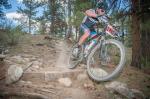
John Polli racing strong and healthy.
Enthusiastic recreational riders and competitive athletes can make mid season training errors. Namely, taking on too much physical activity, going too fast, exercising for too long or simply doing too much of one type of physical activity can strain your muscles and lead to an overuse injury. It’s easy to do during the summer months as the season beckons us to participate in outdoor activities. Yet, there are ways to enjoy ourselves and still stay strong all year long.
Pay attention to your equipment. Yes, it’s true. The right bike parts can make a difference in injury prevention. A good bike fit can make all the difference as well. Periodically, review your setup. Fit impacts comfort but also technique which is crucial to preventing overuse injuries. Your body’s position on the bike affects how you ride. It affects how much power you can efficiently deliver to the pedals. It affects how comfortable you are on the bike. Bottom line, be mindful of your bike components and bike parts.
Strength train the whole year through. Year round strength training matters. “One of the main goals with sport-specific strength training is to target your prime movers as well as the assistance muscles that support your prime movers. With proper strength training, each time you press on the pedal, your primary group of muscles (those that take on the majority of the load) will be stronger and have a stronger group of assisting muscles to help produce power. Since you are only as strong as your weakest link, the stronger system you build as a whole, the more potential you have for cycling specific gains.”
Add yoga to your fitness routine. Some of the most elite cyclists use yoga as part of a successful training program, including 2012 Tour De France winner Bradley Wiggins. According to the post, Yoga for Cyclist, cyclists need to focus on leg strength, which many poses in yoga target, but they also need to focus on flexibility and lower back strength.
Rest and recover. Plan a day of rest once a week into your training schedule. No running, biking, swimming or strength training. Your body needs a day to recover. It will not hurt your performance, but will actually help it and is critical in muscle recovery.
Ultimately, training is all about stressing your body with hard workouts, and then letting your body adapt to that load. The summer months invite us all to push the limits but with a little mindfulness, you can balance pushing the limits while staying healthy and strong.
Leave a Comment » | Peak Cycles Bicycle Shop | Tagged: bike fit, bike parts, bike parts make a difference in injury prevention, preventing overuse injuries, strength training, yoga for cyclist | Permalink
Posted by staffwriter8
July 10, 2014

USA Pro Challenge Stage 7 starting in Golden, CO
Pro cyclists are often all thought to be blessed with nature’s special gifts – a huge heart, enormous lungs and infinite leg power. Yet, in reality this is hardly the case. The truth is that most of us have the physiology to be a decent racer if we trained as much as they do. Granted, most of us don’t have the time or the resources available to pro cyclists but we can all optimize the talents bestowed upon us by training properly. Here’s how.
Start with the basics. Have good equipment. Meaning, have a bike that fits, get the right bike parts, and wear the appropriate cycling accessories. It may seem obvious but even small things add up. This is an easy one to dial in, so get it right.
Next, focus on what you can control and let go of what you can’t. Some argue work and family commitments distract from proper training but there are other elements you can control. You can control your the quality of your workouts, your bike technique, and your recovery. When training, focus your efforts using power and heart rate. Both play a key role in training and you can use both to target weaknesses and strengths. Dial in your nutrition on an off the bike so that you are properly fueled going into the workout and can bring your best effort to each training session. Also, schedule specific workouts to build fitness, improve your climbing technique and bike skills.
While it may seem counter intuitive, easy rides or time off the bike is equally as important as training time. The post, Four Ways to Recover Like a Tour Rider, suggests ways to conserve energy while riding in the peleton (aka your group ride) and use your cycling buddies as teammates to pace you and shield you from the elements.
A little R&R or active recovery is good too. Some of the most elite cyclists use yoga as part of a successful training program, including 2012 Tour De France winner Bradley Wiggins. Wiggins’ benefits from the focus it brings to his cycling, while others, such as pro mountain biker and Olympian Jeremy Horgan-Kobelski, use yoga to gain strength. From power to endurance, athletes at all levels are incorporating yoga to gain an edge over the competition, and prevent injury.
You may not make it as a Tour rider but you sure can embrace the training elements of a Tour rider lifestyle. And, if all else fails, put on your best suffer face!
Leave a Comment » | Peak Cycles Bicycle Shop | Tagged: bike fit, bike parts, climbing technique, cycling accessories, Four Ways to Recover Like a Tour Rider, nutrition, power and heart rate, suffer face, Tour rider, yoga for cyclist | Permalink
Posted by staffwriter8
July 3, 2014
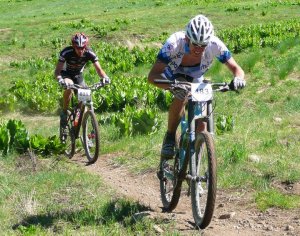 It’s one thing to ride/train in the heat it’s another to RACE in the heat. It’s that time of year, the summer heat has arrived and is making up for the lack of heat we had from the cooler temps to start off the cycling season.
Many cyclist, whether recreational or competitive, find dealing with the heat an issue. Suffering from some degree of cramps at one time or another or heat related stomach issues, the heat brings on specific challenges to overcome in the summer months. Specific to racing, many cyclist have encountered the negative effects of heat on race results. What, if anything, be done to help you train and race best in the heat?
When it is hot, especially when temps are in the 90-100F (36-40C) range, your body needs to work harder to keep your core temperatures in a safe range to allow the organs to function normally. There are numerous heat–coping strategies to consider when planning a high-intensity workout or doing a race in hot weather.
- Acclimate. It takes about 10 to 14 days of frequent exposure to heat for your body to adapt. During this period of time workout daily in hot conditions at a lower-than-normal intensity. After a couple of weeks of near-daily exposure to hot conditions you will begin perform better in the heat than prior although performance will still likely be diminished from what you might have done in cooler conditions.
- Nutrition. You want to eat “quality” carbs leading up to, and including, a hard effort or race day. That includes eating plenty of fruits, veggies, etc. Watermelon is a great fruit (carb) to consume even during race day. Also, remember to stay away from the simple carbs. i.e. sugars, sweets, prior to the race or training in hot conditions.
- Hydrate. This one is easy but also easy to forget! Water is 60% of your body weight and the number one concern on any athlete’s intake list. For both performance and health, the importance of your water intake exceeds that of your vitamin, calorie, and electrolyte consumption. For your road racing needs, be sure to carry the water bottles and containers that you need on your bike but have extras available for bottles that are tossed and extras for immediate refueling post race. If you’re a mountain bike rider, you know tricky descents can bump a bottle right out of its cage. This time of year, it’s best to wear a full camelback as well as have extra bottles on hand. For longer rides, opt for the Deuter Bike One 20 Hydration Pack- 100oz. You’ll have enough fluids to get your ride in and also soak up the views.
- Stay cool. Think shade and proper clothing. Stay in the shade, warm up in the shade and cool down in the shade. While it may seem insignificant, every effort to keep your body temperature down is important. This includes wearing your sunglasses, having a light-colored helmet, and opening your the zipper on your jersey. For longer rides, draping an ice-filled container around your neck may improve endurance performance.
To train and compete at your best all summer, it is important to understand how your body copes with heat, and what you can do to keep cool. Everyone adapts differently to heat stress. Need more tips? Stop by the Peak Cycles Bicycle Shop to chat with our racers, mechanics, and other cyclist to see what works for them. Maybe you’ll learn some new heat-coping strategies that will work for you too.
Leave a Comment » | Peak Cycles Bicycle Shop | Tagged: Deuter Bike One 20 Hydration Pack: Black/Titan; 100oz, eyewear, Heat Acclimation, heat acclimation for cyclist, Helmet, hydration, nutrition, Peak Cycles Bicycle Shop, Training and Racing in the Heat, water bottles and containers | Permalink
Posted by staffwriter8
June 26, 2014
 What makes for a successful first 100 mile mountain bike race? Is it riding a ton of trails? Picking the best race?
Or maybe, it’s knowing the difference between riding and training. Sure, many think if they ride a lot it will get them to the finish line. And it will. But training and preparing strategically for your 100 miler will not only get you to the finish line feeling your best, but it can actually prepare you for better performances in the future. Here’s why.
According to the post, Nine Golden Rules for Training, consistency is key. That means consistently training but also, consistently racing builds fitness too. Consistency in racing builds all kinds of fitness: mental, physical, and psychological fitness. To ensure a successful 100 mile mountain bike race, you need to train all the systems.
You can start by looking at the type of race or races you like to race. What types of terrain, geographical areas, and elevations profiles suit your strengths. What about your weaknesses? There are numerous 100 mille mountain bike races to choose from including the National Ultra Endurance Series, the 100 Mile Mountain Bike and Running Off Road Race Series and the the Leadville 100 Race Series. Racing longer distances consistently builds an endurance baseline to build upon year after year.
Consistency in race preparation makes a difference too. If your race day strategies are scattered, unorganized, and left to chance, all your training leading up to the race can only take you so far. The post, Top 10 Tips For Your Best 100 Mile Mountain Bike Race states the importance of race day preparations.
Other resources reinforce dialing in your race day nutritional needs and bike inspections to avoid mechanicals, flats, and other bike related issues due to not having your bike parts in order for racing. Imagine doing all the prep work for a major race and having to DNF due to not replacing a chain, derailleur, or tire.
Consistency in training helps you physical body prepare for the physical stresses of racing a 100 mile mountain bike race. But minimizing or eliminating other stressors like those mentioned above helps you free up your mental and psychological energies so that you can successful focus on the task at hand: racing your best 100 miler ever.
3 Comments | Peak Cycles Bicycle Shop | Tagged: 100 mile mountain bike race, bike inspections, bike parts, cycling training, Leadville 100 Race Series, National Ultra Endurance Series, NUE | Permalink
Posted by staffwriter8
June 19, 2014
 The beautiful scenery and challenging terrain of Colorado’s cycling scene beckons riders from all over the world to ride along the backdrop of blue skies and snow capped mountains.
However, one of the toughest challenges a cyclist can face is completing all of their training at their low-elevation residences, and then traveling to ride or compete in a race at high altitude. For events like the Leadville 100, The Breck Epic, and The Triple Bypass, many are left questioning what to expect when riding at elevation and what are the best ways to acclimate faster to ensure optimum performance.
For starters, it’s best to understand how the body responds to altitude. The post, Understanding the Challenges of High-Altitude Racing at the Leadville 100 and USA Pro Cycling Challenge, gives us a detailed understanding. “The basics of altitude work like this: as you go higher the air becomes less dense, which means the oxygen molecules are more spread out. As a result, when you breathe in and fill your lungs, there are fewer oxygen molecules in that volume of air.” More so, as you increase in elevation, heart rate and breathing rates at rest will be increasing elevated as your body tries to pull more air through the lungs so it can grab the oxygen it wants.
While at rest at altitude, you might experience a combination of headache, poor sleep, fatigue, and dizziness. While training, racing, or participating in an event at altitude, most likely you’ll discover an elevated heart rate and reduced power. And, your recovery rate between hard efforts will be longer and maybe not even complete. So, what can you do if you want to perform your best at altitude?
Obviously, a no brainer is to have your bike and the correct bike parts in order! If you are accustomed to riding on flat terrain, you’ll want to have the appropriate gearing for your event. Specific to altitude acclimations, there is definitely science and research behind acclimating for cycling performance but without getting too technical, following are some of most common approaches.
- Acclimate – Spending time at higher elevations enables the body to adapt and increase the number of oxygen-carrying red blood cells. This improves your ability to deliver oxygen to the brain and working muscles at all levels of activity, including high-intensity exercise. The longer you can acclimatize – the better. Keep in mind, true acclimation can take three weeks or more.
- Hydrate Drink plenty of liquids. High elevations can cause fluid loss, so it’s important to stay well hydrated. Your best course of action is to stick with water or liquids that replace electrolytes and avoid sugary or caffeinated beverages. These liquids act as diuretics and can dehydrate you.
- Tools – Use your training tools for biofeedback. It’s important to know your limits going into an event and modify your strategy if necessary. This includes dialing in your race day nutrition requirements, heart rate limits, and using your power meter for feedback. Power meters are especially useful because they help riders to gauge their efforts. To maximize your opportunity for best performance, consider running course intelligence and learn the course and the conditions due to time of day. You’ll be better equipped to know when to attack and when to recover as it relates to time of day (heat), and course profile.
Overall, different people respond differently to attitude. Experiment with what works for you. And, while you might not get the same results racing at altitude as you do at sea level, the rewards of riding in beautiful Colorado is a reward in and of itself.
2 Comments | Peak Cycles Bicycle Shop | Tagged: bike parts, heart rate, High-Altitude Racing, Leadville 100, power meter, race day nutrition, race day strategy, The Breck Epic, The Triple Bypass | Permalink
Posted by staffwriter8
June 12, 2014
 When you feel great, you probably take your fitness and health for granted. But as many cyclist know, it doesn’t take but a quick spill on the bike to go from a physically fit state to an injured one with limitations on riding and training time. Surface injuries are the easiest to heal but as we’ve seen in the recent crash that injured BMC Racing’s Taylor Phinney at the Volkswagen USA Cycling National Road Championship, broken bones and muscle injuries can make a good season turn bad.
With June being National Safety Month, how can you avoid injuries, improve joint health, and capture the gains of an active lifestyle? Answers can be found in the post, Bike Inspections: A Guide for Injury Free, Enjoyable Spring Cycling, which shares the importance of having the right bike setup, cycling accessories and gear. More importantly, for safe riding, regular bike inspections are in order. If you’re not sure what to look for, you want to notice any bike parts that need to be replaced. For instance, saddle injuries are the result of poor seat position, height, angle or design. Replacing older items like saddles, cables, tires and brakes provide safety and peace of mind while riding.
Also, consider if the right bike parts can make a difference in injury prevention. In a sport based on such a highly repetitive action, like pedaling, the first line of defense against injury is a proper bike fit. Whether you’re just starting to ride or you’ve been cycling for a long time, there are numerous benefits to getting a professional bike fit in which you can dial in the appropriate riding position for you as well as the exact bike parts needed to accommodate that fit precisely.
Cycling is safe and effective, fun way to improve fitness as well as joint health. It strengthens muscles which puts less pressure on joints and it is a low-impact exercise limits wear on cartilage around joints . When you take a few preventative measures, as in bike inspections, bike maintenance and commit to a regular cycling schedule, not only do you improve joint health and fitness, but you also improve your overall peace of mind. Enjoy a National Safety Month from the view of your two wheeled friend!
Leave a Comment » | Peak Cycles Bicycle Shop | Tagged: bike fit, bike inspections, BMC Racing, cables, cycling accessories, injury free cycling, joint health, National Safety Month, saddles, Taylor Phinney, tires and brakes, Volkswagen USA Cycling National Road Championship | Permalink
Posted by staffwriter8





 Peak Cycles - BikeParts.com Blog