Sloppy Cycling — How to Prepare for Muddy Conditions

April 28, 2016

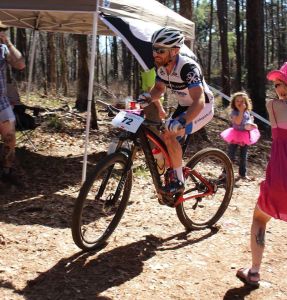
11262324_844053215632107_7239650244783883829_nIt’s inevitable, if you are riding your bike on trails in the spring you are going to hit mud. But a muddy trail shouldn’t be the doom of your ride. Knowing how to prepare for and ride in muddy conditions will help you be a successful wet-weather cyclist.

Preparation

Start by doing your research before a ride to get a sense of what the trails will look like. Ask a friend who has ridden recently, read online forums or social media updates, or scope out the trail yourself (this is especially important if you are racing on a potentially muddy course).

Know which bikesbike partscycling accessories, and cycling apparel are appropriate for the trail and weather conditions. Some important considerations include:

    • Extra Wheels — Cyclists will often have multiple sets of wheels in preparation for mud and grime. Riding in poor conditions can be disastrous to your bike! It’s not fun to have to deal with broken spokes, loose skewers, and cemented mud, especially while racing. If you have a set of wheels in the pit, you can make a change and be underway pretty quickly.
    • Tires with Traction — Choosing the right tires really hinges on you doing your homework before your ride. Really muddy conditions sometimes warrant extra grippy bike tires with aggressive edges and sticky rubber. But these kinds of tires usually also add some extra weight. For less severe wet-weather conditions, you might want to choose something a little less aggressive. If you’re unsure about which tire is best for your upcoming event, stop by Peak Cycles Bicycle Shop and we’ll help you dial it in.
    • Chain Lube — As on any ride, taking care of your drive chain is one of the most important considerations for your bike. Using a wet lubricant during soggy and muddy conditions is ideal because it is thick enough to stay on the chain and thin enough to penetrate all of the small moving parts.
    • Wet-Weather Apparel — If mud is on the ground, then there is a chance that you might face wet weather on your ride. Keeping warm and staying dry, especially in a race, is key. Layering with base layers and jackets that won’t absorb water is your best option.

Knowledge

Now that you have your bikesbike partscycling accessories, and cycling apparel in gear, you should make sure that you know how to ride in mud. During your ride or race, mud threatens to slow you down or topple you over. Your ability to (1) select a good line and (2) pedal smoothly through mud will likely keep you moving and maybe even give you an edge over other riders. See Bike Radar’s article, “Technique: Winter Skills — Mud Master” for more tips.

Cleaning

After your bike ride, it’s very important to TAKE CARE OF YOUR BIKE. If you like your bike and want to keep it for a while, giving it a good cleaning is of upmost importance. This doesn’t have to be a laborious process but we recommend being thorough. Grab a good brush and do some scrubbing. See How To Clean Your Mountain Bike in 10 Easy Steps from Singletracks for a more thorough explanation.

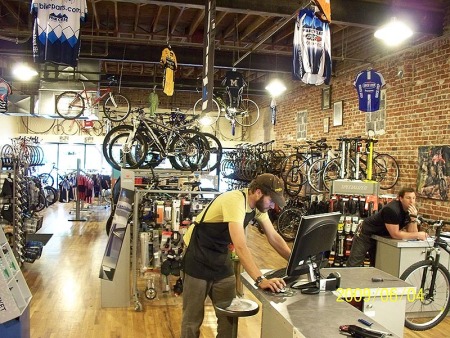
For more information, or to get a bike check-up after a sloppy ride, stop into our store – Peak Cycles in Golden, Colorado. We have tons of advice, as well as bikesbike partscycling accessories, and cycling apparel.


Keys to a Successful Cycling Race: Think Smart, Eat Smart

April 21, 2016

Cycling nutrition_eatingThere are so many things to pay attention to in order to prepare for a race. As a competitive cyclist, you have to be savvy in a number of different key areas such as cycling nutrition, bike maintenance, repairing or replacing bike parts, and knowing how to use various cycling accessories such as power meters and heart rate monitors to maximize performance.

If you also have a full-time job, it’s a lot to think about! In this article, we’re going to help take the load off your mind by focusing on a very specific aspect of race prep – eating before, during and after a race. Hopeful you can glean some useful information for you upcoming competition.

Keep in mind that eating changes depending on the distance and intensity of your race/workout. Not all suggestions may apply.

Before:

We typically find lots of articles that talk about what you should eat after a race, but not as many about what you should eat before. The key is, if you are already eating healthy and balanced meals, you probably don’t have to change much before a race.

One thing you want to make sure you are including in your pre-race diet the night before a race are carbohydrates. Carbs store glycogen in your muscles, which will be burned during the race the next day. Foods like pasta, breads, and rice are carb-heavy that could be on your dinner plate. Try to keep protein dense foods at a minimum.

If you have a long or particularly intense race the next day, you can do what’s called “carb-loading.” Cycling Tips explains that carb-loading typically takes place 2 days before your race. Male athletes can typically store about 1,500 to 1,900 calories of carbs in the blood, liver and muscles combined. And after two hours of exercise, glycogen levels will be depleted. Cycling Tips recommends eating 10 grams of carbs per kg of body weight daily in the two days before the race.

During:

There is no formula that stipulates how much you should eat during a race because different body types and habits cause athletes to have different eating patterns. Some of the variables that determine how much athletes should eat include: lean body mass, metabolic efficiency, intensity, race distance, and environmental conditions.

CoachLevi.com offers some valuable insights into what cyclists might eat during rides at varying distances and intensity.

If you feel that you should be eating differently, here are some questions from Training Peaks that guide your eating habits:

Do you find that you have enough energy for your workouts and races?

    • You should finish strong but spent, not crawling home or hitching a ride!
    • Eat more often if you bonk!

Do you ever get “grumpy” during a long session?

    • If so, you likely aren’t consuming enough carbohydrates.

Do you experiencing GI distress?

    • You might be consuming too much or need to combine different sources of carbohydrate (i.e., glucose, fructose, sucrose, maltodextrin).
    • You can try fewer calories or read labels to find products made with multiple carbohydrate sources and try different brands of products.
    • You might also work on metabolic efficiency to see if you can reduce the number of calories you need.

Do you seem to be able to eat whatever you want, even when the intensity is high?

    • No reason to back off if it is working for you!

After:

Right after a race you want to digest simple carbohydrates such as bananas, a bagel, or maybe even a slice of pizza. These things are often offered at the end of a race. Eating caloric-dense foods will restore your glycogen levels in your liver and muscles and getting some protein will help your muscles recover.

Stay away from the really fatty foods and foods high in protein. We know that some of you may be craving potato chips and whole pizzas, but its not the best thing for you.

See the article, “Maximize Your Post Race Recovery“ from Training Peaks for more information.

For more information, don’t hesitate to visit our website or stop into our store – Peak Cycles in Golden, Colorado. We have tons of advice, as well as bikesbike partscycling accessories, and cycling apparel.


Preseason Endurance Race Strategies: Start slow, Build Mental Toughness

April 14, 2016

12748011_968167059887388_245329798008628208_oFor those of you preparing for endurance trail races, we know that you are getting ready to ride long, get dirty, and have the time of your life. And while some you may have trained through the winter months, many have not. So we warn you winter sofa spuds that the alluring call of gorgeous spring days will tantalize you to ride too hard, too fast. This could lead to injuries, poor performances, and an overall unhappy 2016 cycling season.

Here are some ways not to meet that unfortunately end:

Endurance trail cyclists are on the cusp of some of the most favored mountain bike races in Colorado and the American west — races like Rocky Mountain Endurance Series, Thaw Massacre, 18 Hours of Fruita, Desert RATS Classic, 12 Hours of Mesa Verde, and The Half/Original Growler. And being success in these races requires you to closely monitor early season training. 

Key points to keep in mind include training intensity, duration, and frequency.  There are coaches and coaching plans to assist with specific and customized training.  Or, you can create your own training program.

Regardless of your approach, for precise bio feedback to align your training plan, you’ll need to use cycling accessories available to you – such as power meters, GPS computers, and/or heart rate monitors.  Early season training lends itself to “false” feedback.  Meaning, because you may be fresh, your perceived effort on the bike may be low causing you to push too hard, too soon. As a result, your training suffers later due to increased recovery time or even injury.  By monitoring your efforts with specific data, you objectively know when you are pushing beyond your targeted indictors, as well as when you aren’t pushing hard enough.  This allows your body to adjust to increased training load over time and in a manner that meets your 2016 cycling season goals.

Now, just because you can’t go all-out in your early training, doesn’t mean that you can’t build the mental toughness and focus that you will need during an endurance race. As described in the post, Developing Mental Toughness: Are you Tough Enough?, “mental toughness is your ability to persevere in the face of challenges, to keep going even when things get hard, and to have an unrelenting commitment to your goals. When you develop your mental toughness, obstacles are only temporary and one bad performance doesn’t shake your belief in your ability.”

For more information, don’t hesitate to visit our website or stop into our store – Peak Cycles in Golden, Colorado. We have tons of advice, as well as bikesbike partscycling accessories, and cycling apparel.


Don’t Compromise Your Spring Training Recovery Rides! Here’s How…

April 7, 2016
Joshua Murdock climbing Old Three Mile Highway in Linnville, North Carolina.

Joshua Murdock (Peak Cycles/bikeparts.com team cyclist) climbing Old Three Mile Highway in Linnville, North Carolina.

When spring comes around every year, the temptation for many cyclists is to jump into race training with all the intensity, determination, and vigor they can muster. While these are positive mentalities to have, its important that competitive bicyclists not let their excitement for spring training cause them to overwork themselves. One of the key stages of training where this takes places is cycling recovery.

While it may not always seem like it, a recovery ride is just as important to a cyclist’s race training as a workout. Together, recovery and workouts are the ‘yin and yang’ that balances a riders preparation and optimizes performance. Three key areas of recovery to pay attention to include post-workout recovery, post-race recovery, and balanced nutrition.

Post-Workout Recovery

One of the easiest ways to undermine training is to ride too hard during a recovery ride. The article, “7 Ways to Nail Your Recovery Rides” from Bicycling Magazine explains this well –

When you train hard you do damage—that’s part of the plan. Your workout breaks down your muscle, empties out your fuel stores, and generally taxes your metabolism above and beyond its status quo. When you recover, your body repairs the damage so you can come back stronger and ready for more. If you skip the recovery part, you’re cheating yourself out of the maximum return on your hard work.

Even though it seems counter intuitive, recovery rides should feel easy! Here are some ways to ensure that you are getting a proper recovery:

  • Ride by yourself. You won’t be tempted to keep up with anyone else.
  • Pull out the beater bike. If you have an older bike, you can spin easy and not be tempted to go faster.
  • Get casual. Wear cloths that will make you feel like you’re just out for a cycling stroll
  • Use a bike computer. Let your gadgets tell you if you are going too fast

Post-Race Recovery

Races are often the hardest workout cyclists will do. They redline for longer periods of time than their training workouts and expend more energy. As a result, the mind sends signals to the body  that aren’t always what the body needs – such as exclusively eating junk food and sitting on the sofa for the rest of the day. The article, “Maximize Your Post Race Recovery from Training Peaks offers some ways that you can recover more quickly from a race:

  • Right after the race, eat simple carbohydrates. Go for that orange slice, banana, and slice of pizza offered at the race.
  • Supplement your post-race pizza and beer with other nutritional and caloric dense foods. Getting some protein will help your muscles recover (high protein intake is not good post-race, however) and caloric-dense foods restore glycogen levels in your liver and muscles.
  • Stay away from really fatty foods and foods that are high in protein.
  • Hydrate, hydrate, hydrate!
  • Get your feet up after the race. Yes, we’re giving you permission to chill and get off of your feet. This is best if done right after you are off the bike.
  • Take a walk later that day. Getting up on your feet and moving around a while after the race helps speed the recovery process.

There are lots of resources online for you to learn about recovery best-practices and get the fuel and equipment you need for adequate recovery. bikeparts.com has lots of different types of nutritional supplements all in one place as well as bikesbike partscycling accessories, and cycling apparel that can help you with your recovery training. And if you just want to talk to an expert, stop into Peak Cycles in Golden, CO to talk to one of our competitive cyclists. Have fun with your Spring Training!