2021 Giant Trance X 29 3 | Mountain Bike

September 23, 2021

2021 Giant Trance X 29 3

Over the past few years, Giant has been stepping up its game in the mountain bike category with some exciting new bikes. We are talking about the Trance X 29. This bike has made waves in the industry, winning the 2020 Pink Bike Trail and Enduro efficiency test for climbing, with the help of Fox Live Valve Suspension. Fitting comfortably into the trail bike category, the Trance X 29 3 is an aluminum hard charger that makes for a very nice entry level mountain bike coming in at a price tag of $2550. A price point that is very competitive when you factor in the features that come with this bike.

Key Features

The Trance x 29 3 uses the same Maestro suspension design that you’ll find on Giant’s $10,000 bikes. This tried and true suspension design has been used by Giant for over 15 years! The Trance X utilizes a trunnion mount shock, which gives the bike a longer stroke and smoother feel. It also features a two-position adjustable Advanced Forged Composite flip-chip equipped upper rocker arm for increased stiffness and strength plus lower overall frame weight. For the drivetrain, it is sporting a 12 speed SRAM SX cassette, derailleur, shifter, and Shimano 4 piston hydraulic brakes. The wheels are laced with a great tire setup from Maxxis featuring a DHF up front and a Dissector in the rear.

Our Take

The Giant Trance X 29 3 makes a great bike for the front range. Why? The 150mm of travel in the front paired with 130mm in the rear gives you just enough travel while helping keep the weight of the bike down, making it easy to pedal uphill and nimble on the descents. It also features everything we want to see in a modern mountain bike including a dropper post, 12 speed drivetrain, and wide 800mm handlebars for stability. It would make for a very nice first mountain bike or great upgrade from a hardtail. Come test ride one at Peak Cycles, today!


Balance Bikes | Strider Bikes

September 17, 2021

Is it time to test out the training wheels? Think again. Balance bikes are becoming the new way for kids to learn how to ride. There are several reasons balance bikes, like the Strider, have an edge over pedal bikes and training wheels. Let’s go over a few of the biggest reasons to choose a balance bike!

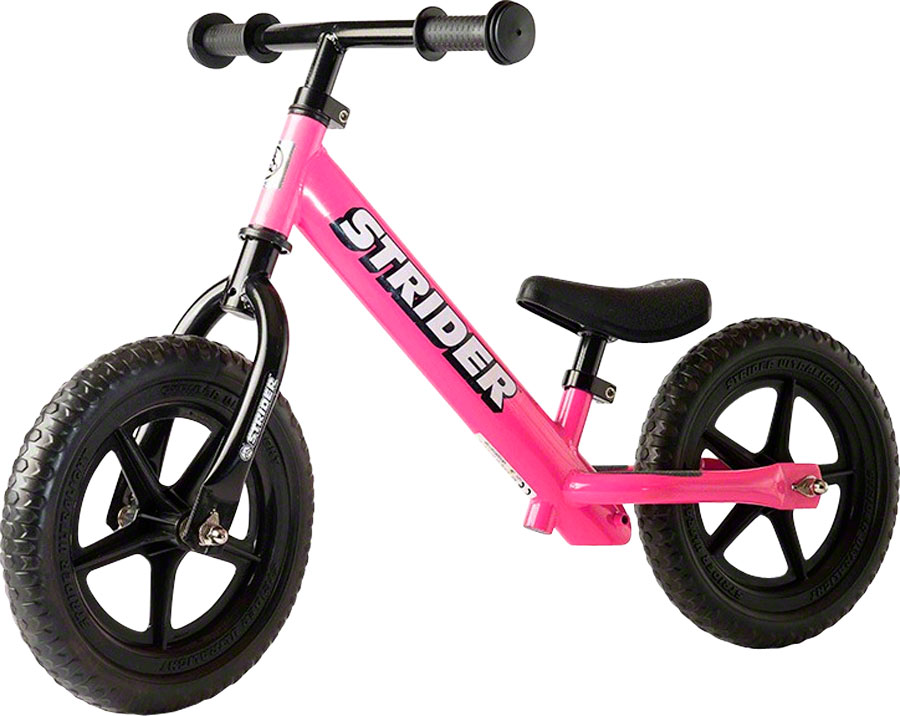
Strider 12 Classic Balance Bike Pink

Better Fit

Balance bikes, like the Strider 12 Classic, are made to fit kids who are as young as 18 months! The adjustable seat allows for years of height adjustment. Strider, for example, recommends the 12 Classic for kids 1-5 years old and hold up to 60 pounds. Having a good fit on a bike is everything. Just ask our in house bike fitter, George Mullen!

Lighter Weight

The lighter weight of balance bikes bike makes it much easier for kids to handle. This is means they will be able to ride for longer with less fatigue. A Strider 12 Classic weighs less than 7 pounds! Compare this with the weight of your average kids bike at 24 pounds!

Less Awkward

Balance bikes are less awkward for kids to ride, especially over uneven surfaces. Kids have the confidence of their feet on the ground and the ability to glide and balance when they feel ready. Rather than wobbling back and forth on training wheels, using their legs for balance creates a much smoother experience.

Start Younger

Balance bikes are an option for kids as young as 18 months! Plus, the Strider 12 Classic will last them up until roughly 5 years old or 60 pounds. Starting with a pedal bike and training wheels usually doesn’t happen until 3 years old.

Won’t Need Training Wheels

The feeling of being balanced on a balance bike will translate almost immediately to a pedal bike. By the time they are ready to transition to a pedal bike, they will be able to handle the weight and sizing of a regular kids bike, too!

We hope this article has you convinced to jump on the balance bike train! We have plenty of Strider Bikes in stock here at Peak Cycles, or shop online at bikeparts.com!


How Often Should You Refresh Sealant?

September 11, 2021

Tire sealant makes the whole tubeless thing possible and in order to keep the system running smoothly, refreshing sealant is essential. But how often should you do it? There is no clear answer and after spending an hour researching various sources like GMBN, Stans, and Park Tool, we’ve boiled it down to make answering this question easier Here is what the experts have to say.

GMBN

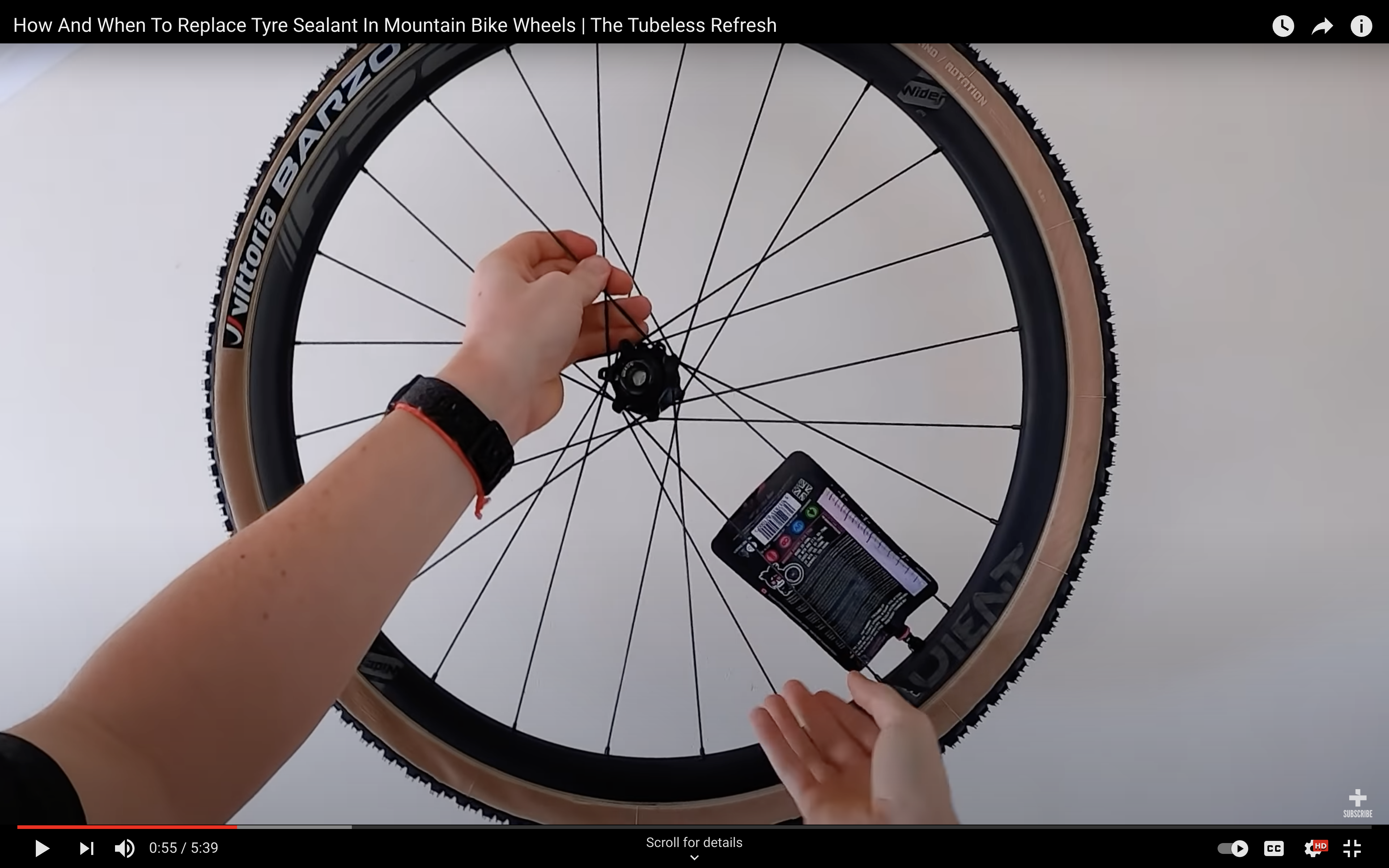
According to the YouTube channel, Global Mountain Bike Network, if you are using the bike a few times a week, the sealant should last the life of the tire. If you are leaving the bike in storage for a while, the sealant will dry up in about 4 months. We think this might be a stretch, especially living in a hot/dry climate like Colorado.

Stans

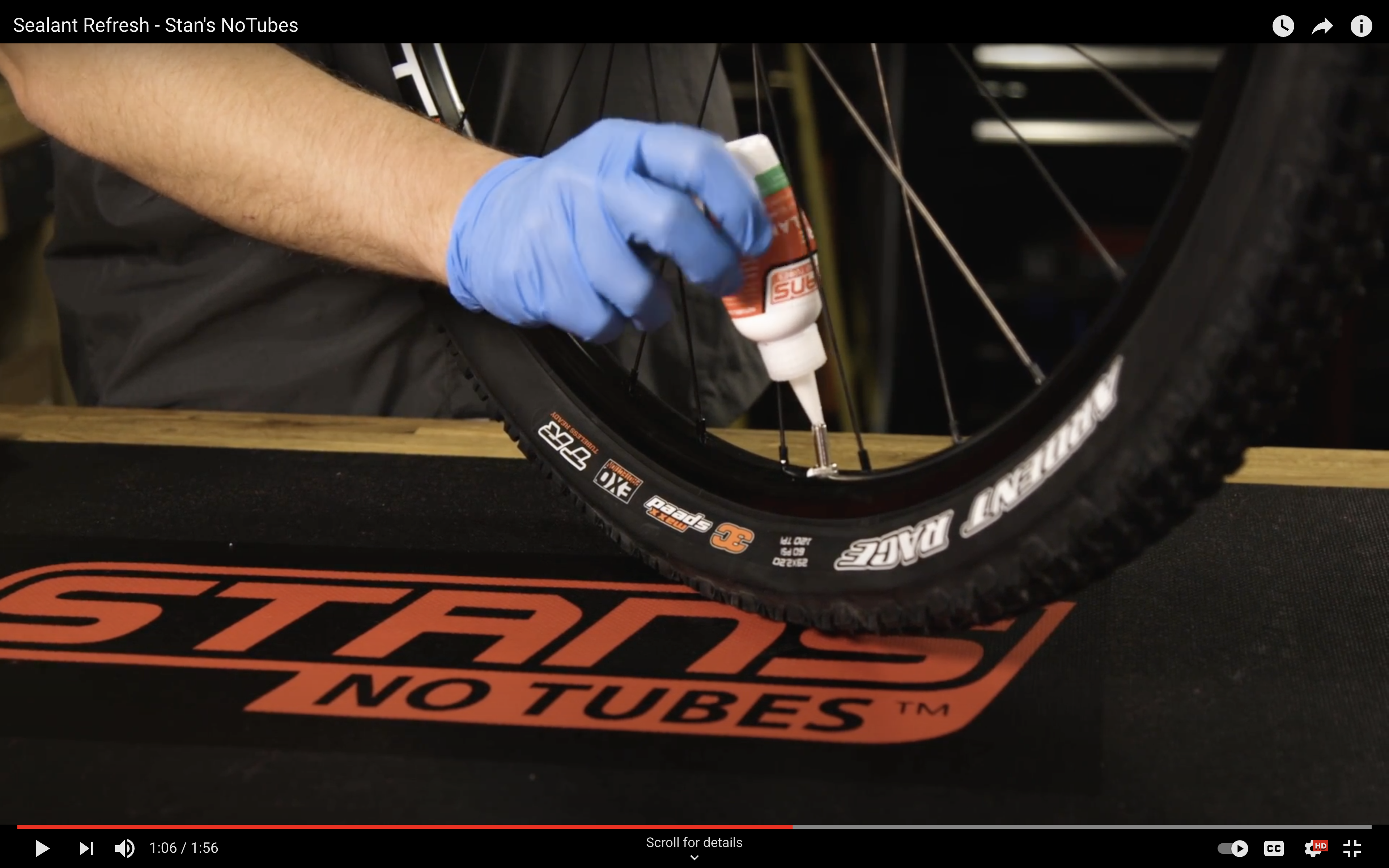
Stans recommends refreshing your sealant several times per year, about every 2-7 months depending on the climate you live in. Drier and hotter climates, like ours in Colorado, means refreshing sealant more often. Stans also recommends removing the tire once per year to inspect rim tape/wheel condition and clean out old sealant.

Park Tool

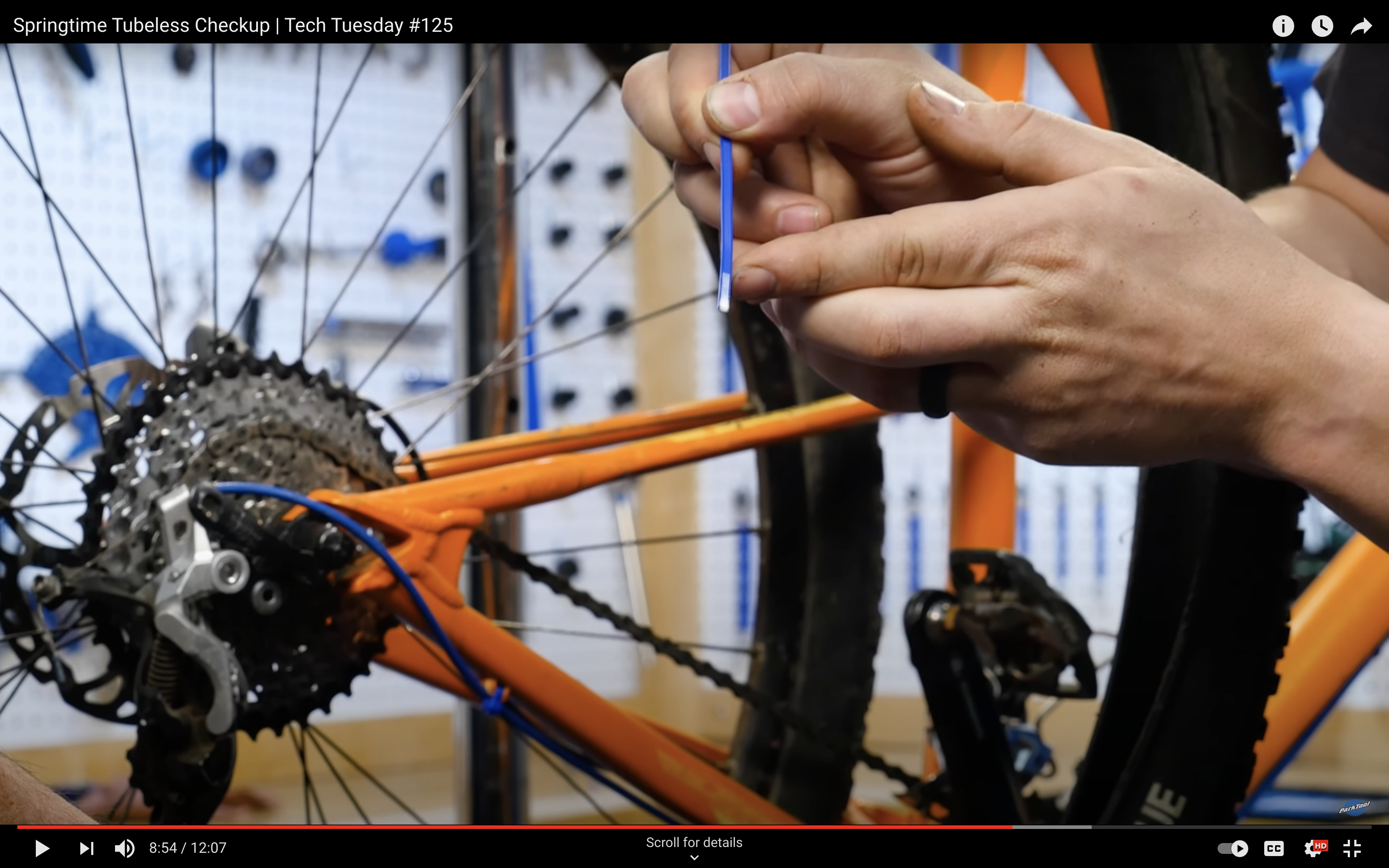
While Park Tool didn’t have a recommended time frame for changing sealant, they do have a nifty way for checking sealant level without removing the tire. Simply use a small zip tie, cut the tip off, and insert it through the valve stem. The ridges on the zip tie will hold sealant and you’ll be able to quickly check the sealant level without the hassle of taking off your tire!


Benefits of a 1x Drivetrain

September 5, 2021

First off, what is a 1x drivetrain? A 1x drivetrains is comprised of a single chain ring in the front and typically 10-12 speeds on the rear cassette. For example, a bike with a single gear in the front and 12 speeds on the back is called a 1x 12. They have been featured on mountain bikes for a number of years, but innovations in derailleurs have made 1x drivetrains a fairly common feature nowadays. Despite having less gears than a 2x or 3x setup, 1x drivetrains offer nearly the same amount of range. Whether you’re looking to upgrade your bike or purchase a new one, let’s go over key benefits to a 1x drivetrain. 

Simplicity

1x drivetrains are more simple to use. Rather than shifting gears in the front and the rear, you only have to focus on changing gears in one place. This makes things easier. There’s no more worrying about cross chaining, which is when your chain is positioned diagonally across the front and rear gears. This also makes things more tidy on your handlebars, since you only have one shifter instead of two. Modern 1x drivetrains are typically 10, 11, or 12 speeds, which is plenty of gears for mountain biking and gravel bike purposes. 1x drivetrains are even coming stock on commuter bikes like the Specialized Sirrus X.

Reliability

There’s nothing worse than having your chain slip off when trying to shift gears, climbing a hill, or going through a bumpy descent. 1x drivetrains utilize a special feature in the derailleur called a clutch. This keeps tension on the chain and helps prevent it from bouncing off. This is super useful for both mountain biking and the gravel bike, but will also give you confidence that the chain is going to stay in place when commuting through the city.

Weight

1x drivetrains are typically lighter than a 2x or 3x setup. This is because there’s no front derailleur, extra chain rings, or front shifter. For some riders, weight is a concern, so a 1x drivetrain helps to cut down on precious ounces. 

Final Words

1x drivetrains are a great great way to simplify your bike, make for a smoother ride, and potentially save on some weight. The top manufactures of 1x drivetrains are SRAM and Shimano but there are low-cost options from companies like Box. If you’re planning on upgrading your bike to a 1x, there are certain things to consider like rear spacing, bottom bracket size, and minimum /maximum chain ring diameter. We recommend talking with your local bike shop before taking on this project by yourself. If you’re in the market for a new mountain bike, we highly recommend looking for one with a 1x drivetrain.