Bike Rentals | Demo Bikes | Golden, CO

July 27, 2021

Peak Cycles offers bike rentals on a daily basis in Golden, Colorado. Our rental fleet includes demo mountain bikes, e mountain bikes, performance road bikes, and hybrids. We have a full-size run for adults, but do not offer kids bikes! 24 Hour Bike rentals can be returned the next day within the 24-hour window. If you demo a bike on Saturday you can return it on Monday morning before noon at no additional cost (since we are closed on Sundays). All rentals include a helmet. We do not accept reservations but are happy to let you know what is available over the phone or via email.

Mountain Bike Demos

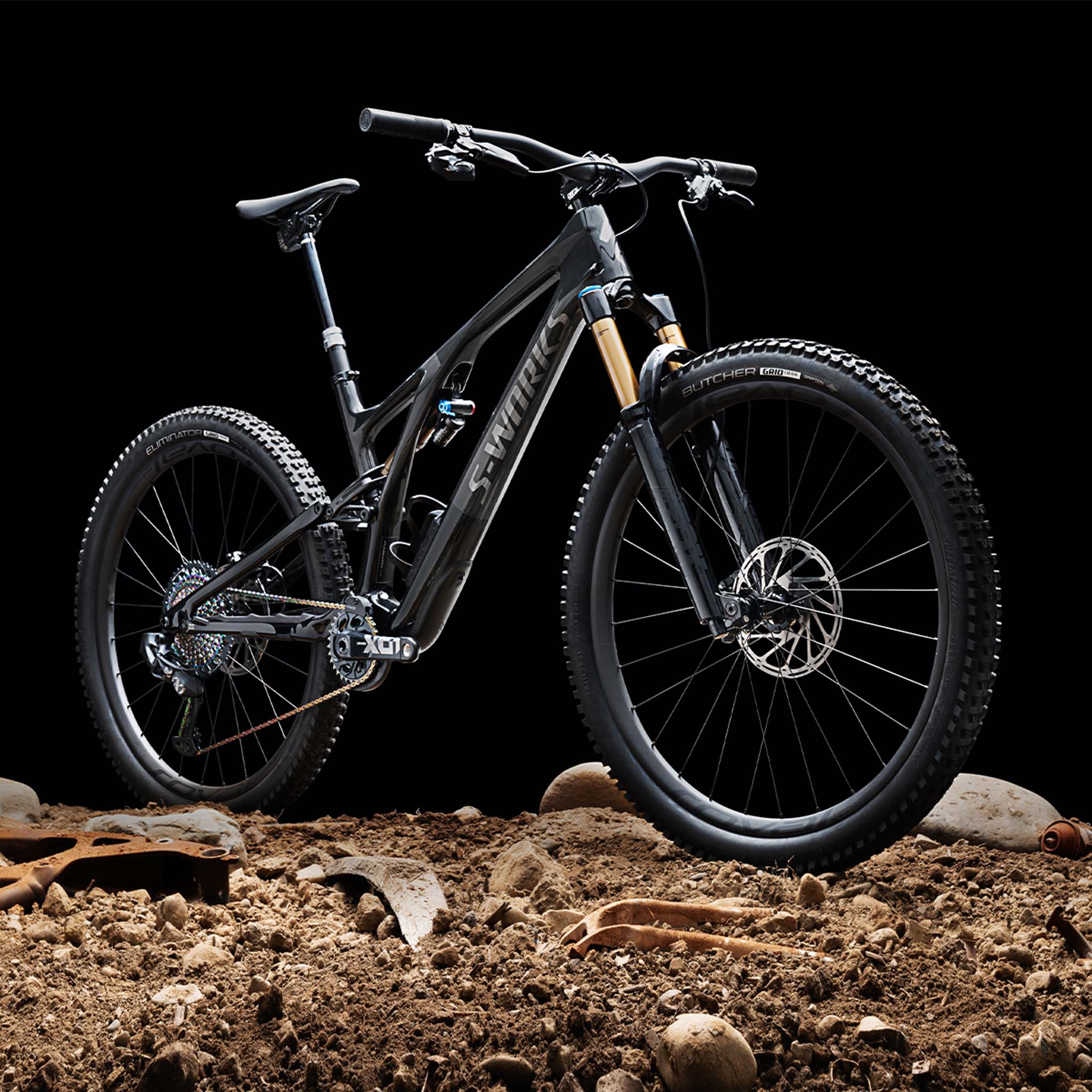
We have a selection of mountain bikes from Giant and Specialized. We carry the Trance and Stumpjumper in both a 27.5″ and 29″ wheel option. These bikes have 1x drivetrains, wide bars, and droppers posts. We also offer e mountain bike demos and have a medium, large, and XL Specialized Levo available. Once you are ready to ride, there are plenty of great trails in the area which our staff will happily point you towards.

Mountain Bike Rates

  • Full Day (24 Hours) – $100
  • Half Day (4 Hours)/ Extra Day – $60

E Mountain Bike Rates

  • Full Day (24 Hours) – $125
  • Half Day (4 Hours)/ Extra Day – $80

Road Bike Rentals

We also offer road bike rentals. We carry Specialized Tarmacs and have a 54cm, 56cm, and 58cm on hand. There are plenty of bike paths in the area to explore, or for those looking to take to the streets, there are some epic rides including the famous Lookout Mountain.

Road Bike Rental Rates

  • Full Day (24 Hours) – $75
  • Half Day (4 Hours)/ Extra Day – $50

Hybrid Bike Rental

Looking for a bike to get around town and see the sights of Golden? We offer hybrid bike rentals that are perfect for riding along Clear Creek or over to the Coors Brewery for a tour. There are plenty of great bike paths in the area to explore on a bike!

Hybrid Bike Rental Rates

  • Full Day (24 Hours) – $40
  • Half Day (4 Hours)/ Extra Day – $30


Giant TCX Advanced Pro 2

July 21, 2021

Have you been curious about trying your hand in the cyclocross world? Hop aboard the #cxtrain with the Giant TCX Advanced Pro 2! This cyclocross racing machine features a super light carbon frame that’s handcrafted with an aggressive race geometry. Not many people know that Giant builds bikes for major brands including Trek, Scott, Santa Cruz, and Colnago. While they might not have the “cool” factor of other brands, their manufacturing capabilities lead the charge in the industry!

MY20TCXADVPro2_ColorA

The Pro Advanced 2 comes stock with a SRAM Rival 1 drivetrain and hydraulic disk brakes, which is the Shimano equivalent to 105. The TCX Advanced Pro 2 is a high performance package at a sub $3500 price point. For those looking to get into cyclocross, this would be a great jump start. 

Read the rest of this entry »


2021 Specialized Stumpjumper EVO

July 16, 2021

Are you looking for the ultimate trail bike? Look no further than the Specialized Stumpjumper EVO, one of the most anticipated bikes of the year. The 2020 model was voted the 2020 Pinkbike Mountain Bike of the year for it’s “. . . effortless handling and ability to excel on a wide variety of terrain are what really cemented the win, although the massive amount of storage in the down tube didn’t hurt either.” The Stumpjumper EVO has everything worth looking for in a modern full suspension mountain bike. 

SJ_EVO_Social_1 2

The 2021 Stumpjumper EVO comes in a wide variety of builds ranging from the $5,000 Stumpjumper EVO Comp to the $10,000 S-Works. One of the Bikeparts.com personal favorites is the $6000 Stumpjumper EVO Expert!

Read the rest of this entry »


What You Need To Go Tubeless

July 12, 2021

If you are ready to go tubeless, there are a few things to check off before saying goodbye to tubes forever. Running a tubeless system requires specific wheels, tires, and valve stems. These all work together to form a good seal and prevent the tire from slipping off the wheel. Installing tubeless tires with the help of a tire lever and an air compressor will help speed up the process, but fear not, it is still possible with a floor pump! This article will cover everything you need to go tubeless, so keep reading and you will be riding tube-free before you know it!

Necessary Items

  • Tubeless Ready Wheels
  • Tubeless Ready Tires
  • Tubeless Valve Stems
  • Sealant
  • Tire Levers
  • Air Compressor (ideal) or Floor Pump (not ideal)

Tubeless Ready Wheels

Tubeless-ready wheels are a must-have for going tubeless. These are standard on most mountain bikes these days, and even some road and gravel bikes. If you have a newer bike you should be ok, but here is how you can identify a tubeless-ready wheel just in case.

“The most reliable tubeless systems are those marked UST (Uniform System Tubeless standard). Rims and tires must meet a certified standard to use the UST label. UST rims will have either no nipple holes in the rim tire bead or these holes will be completely sealed. The UST rim bead seat is designed to accept and hold the beads of the UST tires. UST tires can be used on a UST rim without tire sealants.

Another option is commonly known as “tubeless ready” or “tubeless compatible”. There is no set standard that a product must meet in order to use these labels. Each company decides what it considers to be “TR” or “TC”. The various “tubeless ready” components may or may not match between manufacturers.” – Park Tool

Another way to tell if your wheels are tubeless ready is if they came stock with rim tape. If for some reason the wheel wasn’t sealed with rim tape, it can need to be done using Guerilla Tape or a tubeless specific rim tape.

Tubeless-Ready Tires

Similar to tubeless-ready wheels, tires will be marked with UST, TR, or TC labels. Tubeless-ready tires are designed to hook into the wheel and form a good seal. In addition to forming a good seal, tubeless tires are constructed with different materials. They are made with a thicker, nonpermeable casing whereas non-tubeless tires are made with different materials that will actually seep air and sealant over time. If your bike has tubeless-ready wheels, it almost certainly has tubeless-ready tires. If you are upgrading to a tubeless system, make sure the tires and wheels are both tubeless-ready!

Tubeless Valve Stems

Tubeless valve stems form an airtight seal around the valve hole. Airtight is the name of the game when it comes to a tubeless system. Valve stems come in a variety of colors and sizes. 35-44mm is the standard range for mountain biking, and road bike valve stems come even longer for those deep carbon wheels. Valve stems can be a creative way to match your bike’s color scheme, too! 

Sealant

There are plenty of options when it comes to sealant and there is no right or wrong answer. The most popular sealants we use and sell at Peak Cycles are Orange Seal Endurance and Stans Race. Both of these sealants work very well and are designed to last longer than most. It is still recommended that you refresh your sealant every 6 months or so! 

Tire Levers

For the installation process, having tire levers will make it easier to get the tires on. Tire levers can also be used to set the bead, making it easier to inflate the tires if you are using a floor pump!

Air Compressor or Pump

This is the final piece of the puzzle and will determine how easy the installation goes for you! An air compressor will fill the tire with air rapidly and snap the bead into place before air can escape. With a floor pump, this isn’t the case. It’s still possible to make it happen though! Check out this great hack for setting the bead with a tire lever.

Final Checklist

  • Tubeless Ready Wheels
  • Tubeless Ready Tires
  • Tubeless Valve Stems
  • Sealant
  • Tire Levers
  • Air Compressor or Floor Pump

There are plenty of videos on YouTube that will walk you through a tubeless tire installation, but here are a few tips from us. When adding sealant, we recommend pouring sealant directly into the tire. We find this works better than going in through the valve stem because it makes less of a mess and prevents clogging. When inflating the tire, we recommend removing the valve core and positioning the valve stem at either 3 o’clock or 9 o’clock. This will give you a better shot at setting the bead quickly and keep sealant from trying to escape through the valve stem! Give the tires a good spin after and you should be good to go! 


Mitch Westall | 2021 XC National Champion

July 12, 2021

Congratulations to Mitch Westall for bringing home the trophy on day four of the 2021 USA Cycling Mountain Bike National Championships. This year’s National Championship took place at Trestle Bike Park in Winter Park, Colorado with men’s masters category taking to the course in the late afternoon of the final day of cross-country races . “After sitting in third on the first lap, Mitch Westall (Littleton, Colo.; BikeParts.com) cranked out a solid second, third, and fourth lap to go on to be crowned the Master Men 50-54 XC national champion,” Tom Mahoney from USA Cycling reported

Congrats again, Mitch!


Original Article: https://usacycling.org/article/cross-country-riders-duke-it-out-for-the-stars-and-stripes


Dropper Seat Post | How To Buy The Right One

July 6, 2021

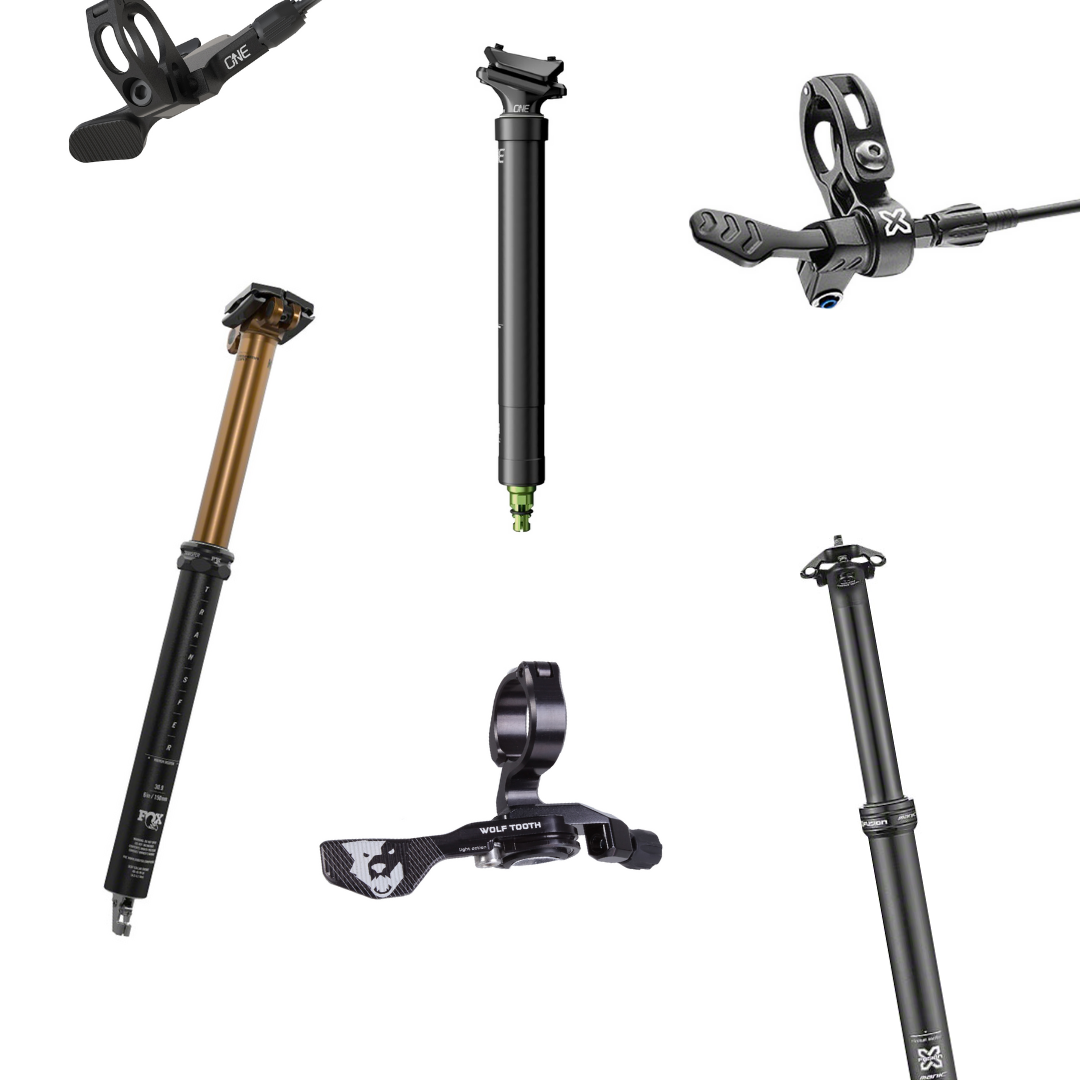
If you want to put a dropper post on your bike, we don’t blame you. The seamless transitions between the ups and downs completely change the experience of mountain biking. Dropper posts mean never having to drop your seat post before a big downhill again. As it goes with pretty much anything bike-related, finding a dropper post that will work is sort of complicated. From the diameter of the seat post to insertion length, amount of drop, and the type of routing, there is plenty to consider when purchasing a dropper post. Let’s walk through all the steps to selecting the right dropper post that will work for your bike.

Internal or External Dropper

It’s becoming common practice for mountain bikes to have internal routing. This means the cables go inside the frame of the bike and lead to the derailer, brake caliper, and seat post. If your bike has internal routing and then go with an internally routed dropper post. This is the most common post out there. An internally routed dropper post will keep things looking clean. If your bike doesn’t have internal routing then you’ll need an externally routed dropper post. This will likely be the case if you have an older bike.

Dropper Length

Figuring out how much drop you need/want is the next step. Ideally, you want to be able to drop the seat all the way down to the seat post collar. You can figure out this length by measuring the distance from the seat post collar to the saddle rails when your seat is set to the correct height. Most dropper posts will come in lengths of 125, 150, 175, and even 210 mm. The number you measured should be somewhere in that range.  PNW and other dropper post brands make it easy to find the perfect length with adjustable shims of 5 to 10 mm increments.

Insert Length

In some cases, you might not be able to stick the dropper post all the way into the seat post. If the seat tube bends or curves, it limits how far the post can be inserted. Figure out the maximum insert length on your bike by seeing how far you can push your current seat post in or using a measuring tape. If the seat tube is 450mm long, and the dropper post insertion length is 500mm long, the post will stick out 50mm. If your ideal seat post height is 150mm from the collar, you’ll need a 100mm dropper since the post is sticking out by 50mm. Most manufacturers will list what the minimum insert length is. OneUp has one of the shortest insertion lengths, making it compatible with a lot of bikes. Posts like the RockShox Reverb run longer making it more difficult for a perfect fit. 

Seat Post Diameter

The next piece of the puzzle is finding a post with the right diameter. The three most common sizes are 30.9, 31.6, and 34.9. You can put a smaller post in a wider diameter seat tube by using a shim that fills the empty space. You can’t put a bigger post in a smaller tube.

Final check list

Do you need an internal or external post?

Does the dropper post length match your current setup?

Can the dropper be inserted all the way into the seat post?

Is the seat post diameter the right size?