SRAM Eagle | SX vs NX vs GX vs X01 vs XX1

July 25, 2022

What is the difference between SRAM Eagle SX, NX, GX, X01, and XX1? All of these drivetrains offer a wide gearing range of 12 speeds, while increasing in performance and decreasing in weight as the price goes up. Let’s go through each groupset and talk about the pros and cons, what they offer, and why they may be the right fit for you.

SRAM SX

SRAM SX is the lowest entry point in the SRAM Eagle ecosystem. Rather than offering SX as a groupset, SRAM has designed it with the intent of riders making incremental upgrades to their drivetrain. It is also designed to be compatible with all groupset levels from NX to XX1. The 11-50T cassette works with low-cost wheels that have splined 8/9/10sp driver bodies. This makes upgrading to Eagle much more reasonable for low-end bikes that likely don’t have an XD driver.

Weight:

SX Eagle Shifter: 129 grams

SX Eagle Rear Derailleur: 337 grams

SX Eagle Crankset: 694 grams

– SX Eagle Cassette: 615 grams

– SX Eagle Chain: 278 grams

Total Weight: 2,053 grams

SRAM NX

SRAM NX is a newer option and is the most affordable offering you will find as a complete 12-speed groupset. It is on the heavier side at over 2000 grams and features an 11-50T cassette, which offers less range than GX. Like the SX, NX will work on a splined Shimano hub. If you’re looking for an affordable 12-speed option, don’t care about weight, and are ok with having slightly less range than GX then the NX drivetrain is a good option for you.

Weight:

NX Eagle Shifter: 101 grams

NX Eagle Rear Derailleur: 337 grams

NX Eagle Crankset: 700 grams

NX Eagle Cassette: 629 grams

NX Eagle Chain: 271 grams

Total Weight: 2,038 grams

SRAM GX

SRAM GX has been in the lineup for a number of years and has benefited from multiple iterations of redesigns and subsequent improvements. It is currently offered in alloy and carbon options. You will find the GX drivetrain on bikes at the mid-level price point. GX offers a great balance between performance, weight, and price. It also has an increased range compared to SX and NX with a 10-52T cassette.

Weight:

GX Eagle Shifter: 122 grams

GX Eagle Rear Derailleur: 300 grams

GX Eagle Crankset Alloy: 649 grams

GX Eagle Crankset Carbon: 555 grams

GX Eagle Cassette: 451 grams

GX Eagle Chain: 271 grams

Total Weight: 1,699g (carbon), 1,793g (alloy)

SRAM XO1

SRAM XO1 is a high-end option featuring a single body cassette construction, carbon cranks, and a lightweight derailleur and shifter assembly. The weight is reduced by 300 grams compared to the alloy GX and over 500 grams compared to SX. Because of the single-body construction, shifting is crisper and more reliable than a GX and NX drivetrain. You will find this drivetrain on mid to upper-level builds from brands like Specialized and Giant. If you are looking to make the jump from alloy to carbon and want to shave some weight, this could be a good option for you.

Weight:

X01 Eagle Shifter: 117 grams

X01 Eagle Rear Derailleur: 285 grams

X01 Eagle Crankset: 463 grams

X01 Eagle Cassette: 372 grams

X01 Eagle Chain: 262 grams

Total Weight: 1,499 grams

SRAM XX1

SRAM XX1 is the upper tier of the SRAM drivetrain hierarchy. Weighing 61 grams less than XO1 361 g less than GX and 561 g less than SX. The XX1 cranks are laid up in a special configuration making them the stiffest and lightest option available. If you want the absolute latest and best performance out of your drivetrain, then there is no comparison to XX1.

Weight:

XX1 Eagle Shifter: 112 grams

XX1 Eagle Rear Derailleur: 269 grams

XX1 Eagle Crankset: 424 grams

XX1 Eagle Cassette: 371 grams

XX1 Eagle Chain: 262 grams

Total Weight: 1,438g

If it’s time to upgrade your drivetrain or you’re in the market for a new mountain bike, looking at the level you’re getting is worth the research. For beginner mountain bikers or those looking to make their first purchase, SX/NX is a good option to get the benefit of 12 speeds. GX will work for most riders who want to improve shifting performance and weight reduction without the higher costs of upper-level drivetrains. XX1 and X01 are both great options for those who want additional weight savings, stiffer cranks, and crisper shifting. 


Hydraulic Verse Mechanical Disc Brakes

July 13, 2022

Disc brakes help bikes have consistent stopping power in a variety of weather conditions. While rim brakes and disc brakes perform about the same and dry in normal conditions, anyone that’s ridden in the rain knows that rim brakes lose stopping power when conditions get wet. This can be especially terrifying when you’re going fast. For mountain bikes, wet conditions are par for the course. And so having brakes that work well in these conditions is vital to safety. helps with fatigue, and makes the experience more enjoyable overall. But what is the difference between mechanical and hydraulic disc brakes?

Mechanical Disk Brakes

Mechanical disc brakes use a physical brake cable attached to actuate the brakes. This cable pulls the caliper, squeezes the brake pads on the rotor, and causes you to slow down. Most entry-level bikes with disc brakes will have a mechanical disc brake system.

Hydraulic Disk Brakes

Hydraulic disc brakes, on the other hand, use a hollow brake line that is filled with brake fluid, much like your car, to activate the caliper. You will find hydraulic brakes on most mid to upper-level bikes.

The Difference

The analogy that all used to compare these two systems is running in the sand versus running on concrete. Running in the sand is more difficult because you’re losing energy every time you take a step. The same is true for hydraulic mechanical disc brakes. When you pull the cable, you’re losing energy due to the stretch of the cable. This means you have to squeeze the brake harder to achieve the same stopping distance. Over the course of a long ride, this can cause significant fatigue especially when you’re riding in steeper terrain. Hydraulic disc brakes transfer virtually all of your force into the brake pad. This is why you only need to use one finger to squeeze the brakes and a hydraulic brake system. For those that have ridden with hydraulic brakes, you know the feeling.


Best Ways To Carry Tools and Accessories On Your Bike

July 13, 2022

There are many benefits to carrying tools and accessories on your bike. It can help lighten the load in your pack and possibly eliminate the need to carry one at all. While we are certainly advocates of being prepared every time you venture out for a ride and are digging the comeback of the fanny pack, it sure does feel good to move freely without the extra weight of accessories strapped to your back or stuffed in your jersey pockets. Moving these vital accessories off of your body and onto the bike drops your center of gravity, making for a more stable ride too. Without further adieu, here is a list of our favorite products for stashing stuff on your bike.

Saddle Bags

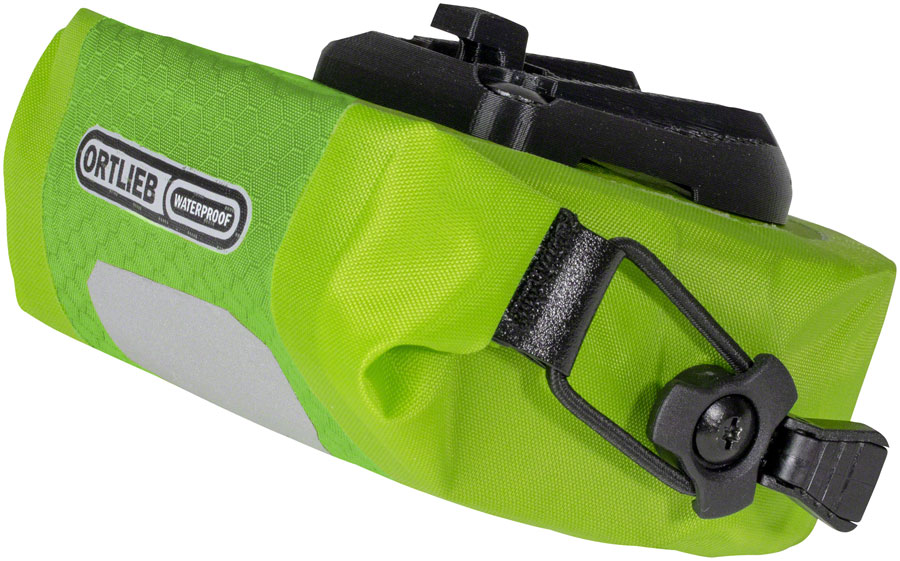
For road bikes, a saddle bag is a great way to stash tubes, CO2, tire levers, and a multi-tool. They come in a variety of sizes and features, but they all pretty much do the same thing. Secure stuff to your saddle. Pick out a saddle bag that matches the amount of stuff you are looking to stash. It really helps to see it in person, so we recommend swinging by your LBS to check them out. Some of our favorites are the Micro Two from Ortleib or the Specialized Road Bandit for a minimal ultralightweight option. For mountain bikes, we recommend steering clear of saddle bags unless you are riding a hardtail.

Tools Bottles

Have an extra bottle cage to spare? Using a tool bottle puts the weight of your accessories even lower in the bike, keeping the center of gravity close to the ground and your tools out of your jersey pocket. Using a tool bottle is a great option for shorter rides where you only need to bring one full water bottle. This way you can use your second cage (if you have one) for tool storage. On mountain bikes, a tool bottle can be a good alternative to the SWAT box found on Specialized bikes. Just make sure to ride with a friend who can spare some water.

EDC Lite Tool

The EDC Lite stashes a multi tool in your steer tube. This nifty gadget makes pulling your multi tool out super fast. It free’s up space that your OG multi tool otherwise would’ve taken up in the saddle bag or other storage spot. The EDC Lite has almost everything you need for a quick fix, other than a chain breaker. The biggest benefit of the EDC Lite is how fast you can access your tool. By the time your friend is done asking to borrow it, you’ll have it in your hand.

Bike Frame Straps

Straps from brands like RaceFace, Backcountry Research, and All Mountain Style offer a lightweight and effective solution for strapping whatever you need to your bike. These straps can handle everything from a spare tube, CO2 canisters, a multi tool, and tire plugs. They help keep the weight low in on your bike and free up space that a bulky item like a tube would normally take up in your pack. To help keep the strap from scratching up your frame we recommend using a bit of frame protection like these from All Mountain Style.

As you can see there are several ways to stash accessories and tools on your bike. Most of these options cost less than 50 bucks and can help reduce the weight in your pack or eliminate the need for one on shorter rides! Happy riding!


Tire Compounds Explained

July 13, 2022

Shopping for road or mountain bike tires? It may come as a surprise to you the sheer number of options there are. Tires come in a variety of compounds that aim to address different riding styles and needs. We’re here to help break it down for you and explain some of the most common aspects of tire compounds.

Rubber Hardness

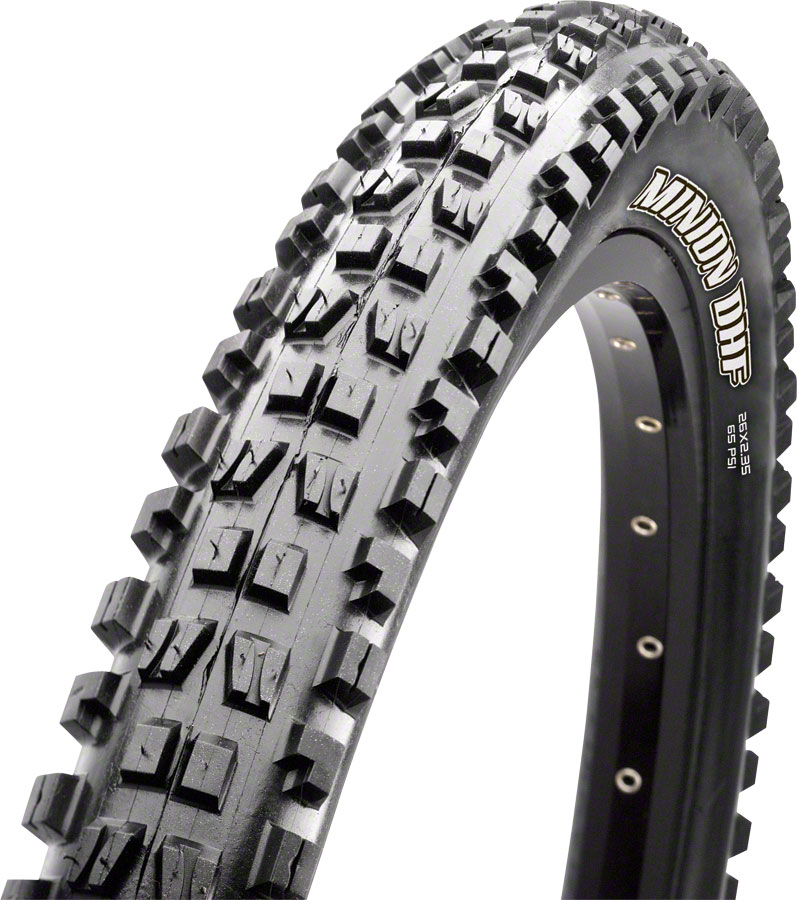
Harder rubbers offer more strength and durability, resulting in a longer lasting tire. Dry and rocky areas can benefit from a hard rubber compounds for added lifespan and durability. Hard tire compoinds include the Specialized T5 and Maxxis Single Compound. Tires that are designed to be extra grippy, have a softer rubber to provide maximum traction. Wet and loamy riding areas are often better suited with a grip your tire and don’t need the added durability due to the more forgiving surface. Soft compounds can be found on Specialized T9 and Maxxis Maxx Grip tires.

Single, Dual, & Triple Compounds

Most low end tires will use a single compound throughout the tire. This helps keep the cost low due to a much simpler manufacturing process. Higher end tires will use multiple compounds placed on different parts of the tire for added performance. For example, Maxxis has long offered a “3C” (i.e., triple compound) rubber option, which features a harder-rubber base to stiffen the knobs and reduce deflection, with a medium-stiff rubber over the center knobs, and a softer rubber over the side knobs for increased grip. The same goes for road bike tires, harder rubber will be placed along the center of the tire for faster rolling speeds with softer rubber on the sides for increased grip in the corners.

Ride Feel

Rubber compounds also affect ride feel. Harder rubbers will feel more of the vibrations on the road or trail, while softer rubbers will create a more comfortable ride. For this reason many beach cruisers and townie bikes or use a softer rubber compound for added comfort and reduced vibration. Tire compounds also affect the speed of the bike. Hard rubber has less rolling resistance and will feel faster than softer compounds.

Still have more questions? Give us a call or shoot us an email and we will be happy to walk you through selecting your new set of tires!